Day 8 – 10/1/2026 - Aerospace Memories & Apples (Daily Diary)
The McAuliffe-Shepard Discovery Center is a science and space museum in Concord, New Hampshire. It is named after Christa McAuliffe, the teacher-astronaut who died in the 1986 Challenger disaster, and Alan Shepard, the first American in space and a New Hampshire native.
The center focuses on space exploration, astronomy, aviation, and Earth science. It features interactive exhibits, spacecraft and aviation displays, educational programs, and a planetarium theater. Its mission is to inspire learning about science, technology, engineering, and mathematics, especially through the legacy of McAuliffe and Shepard.
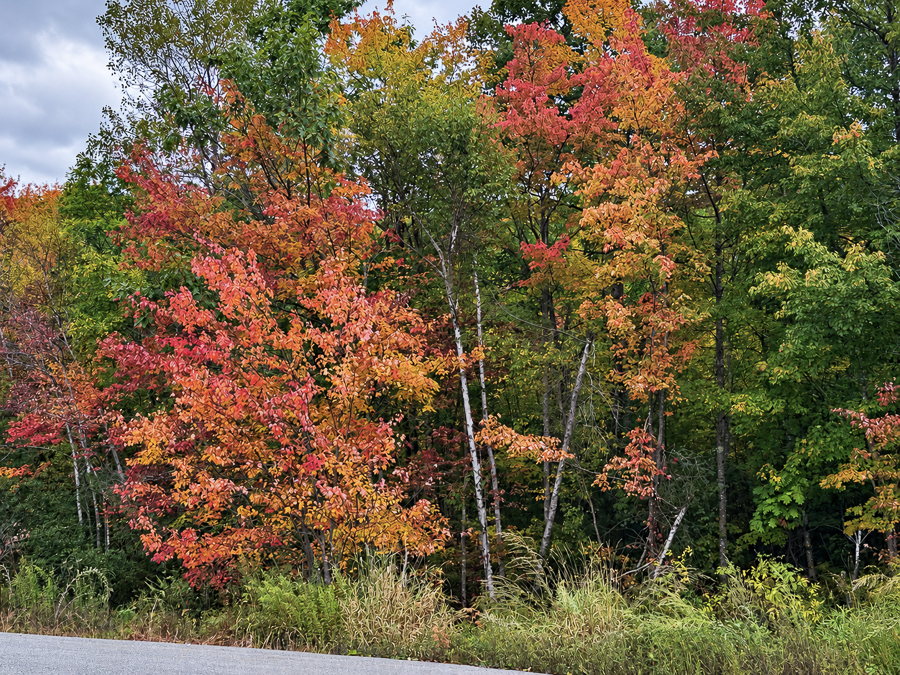
The drive to the museum took 65 minutes, and we drove through miles and miles of fall-colored trees.

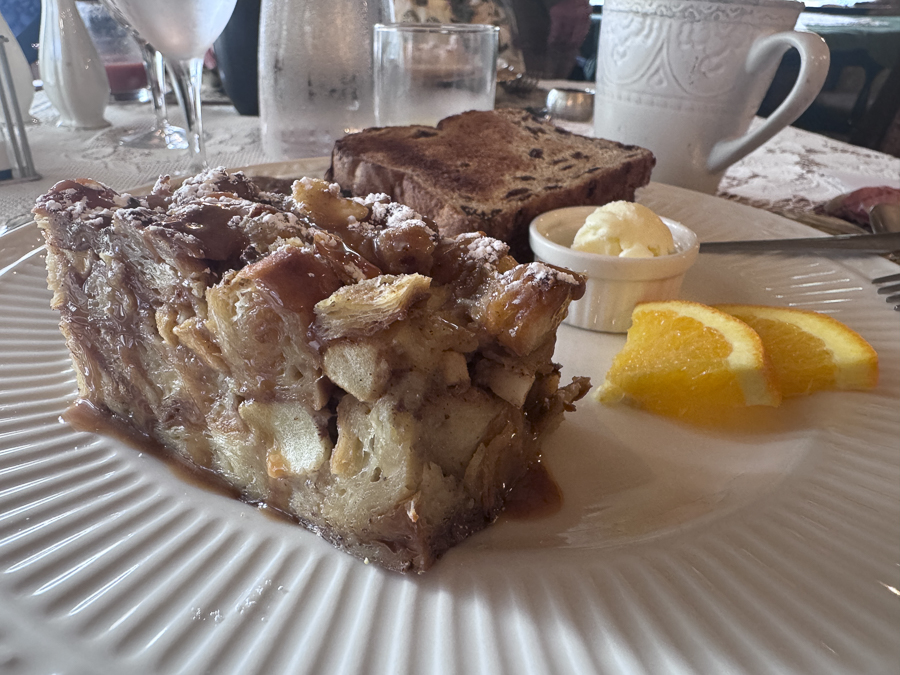
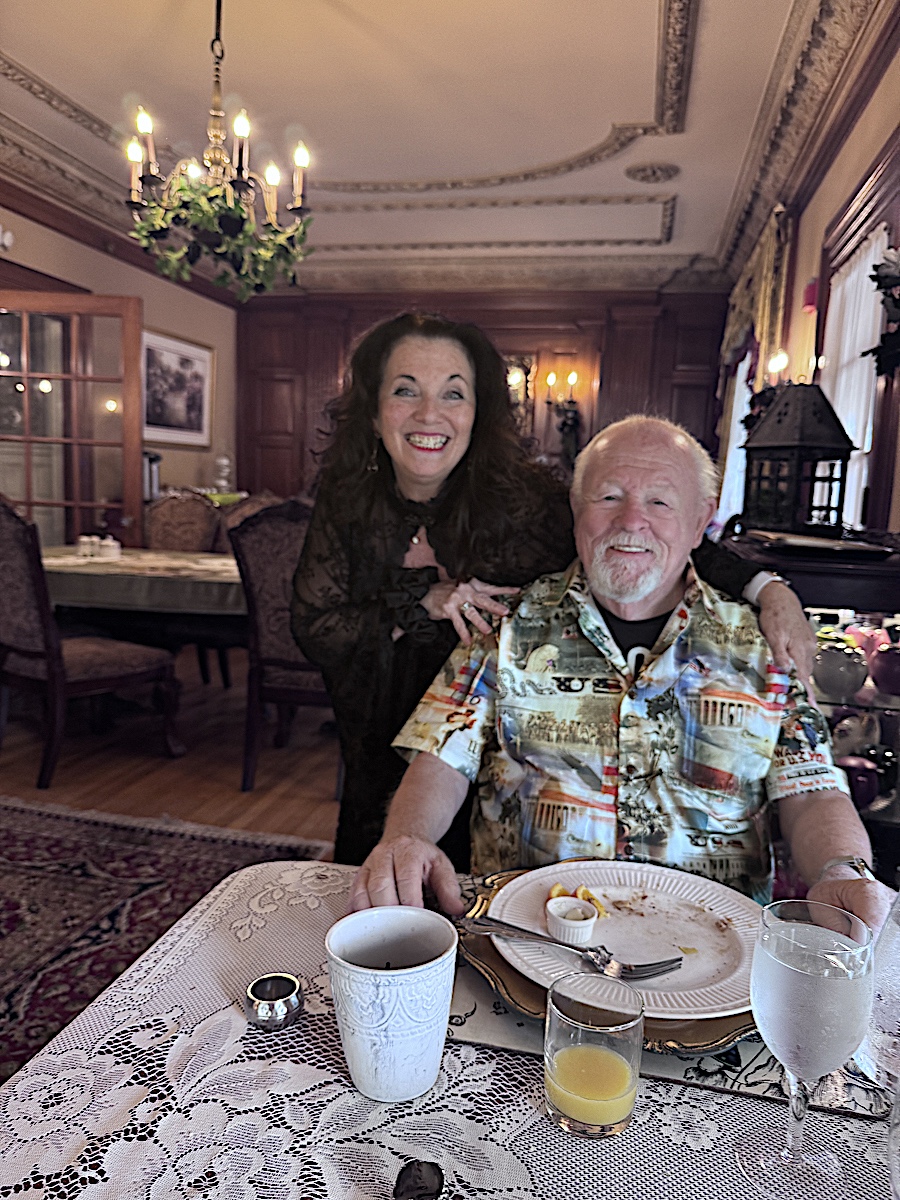
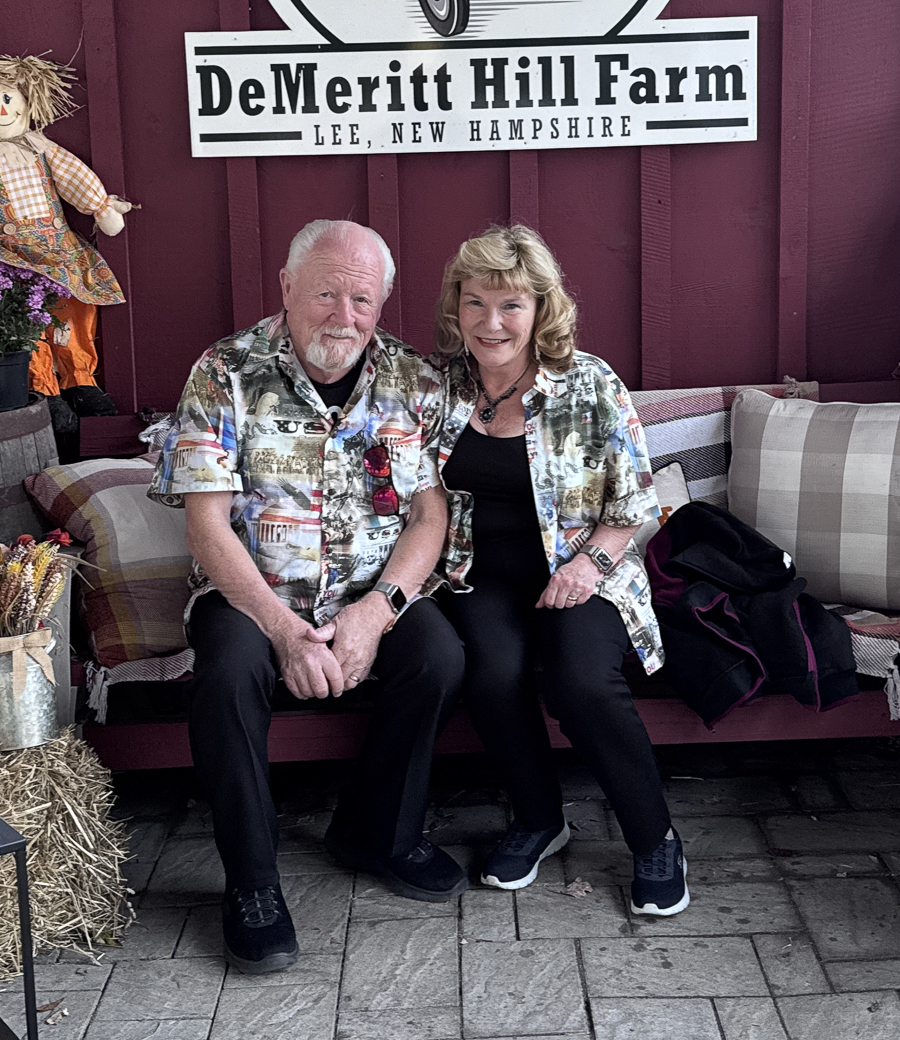
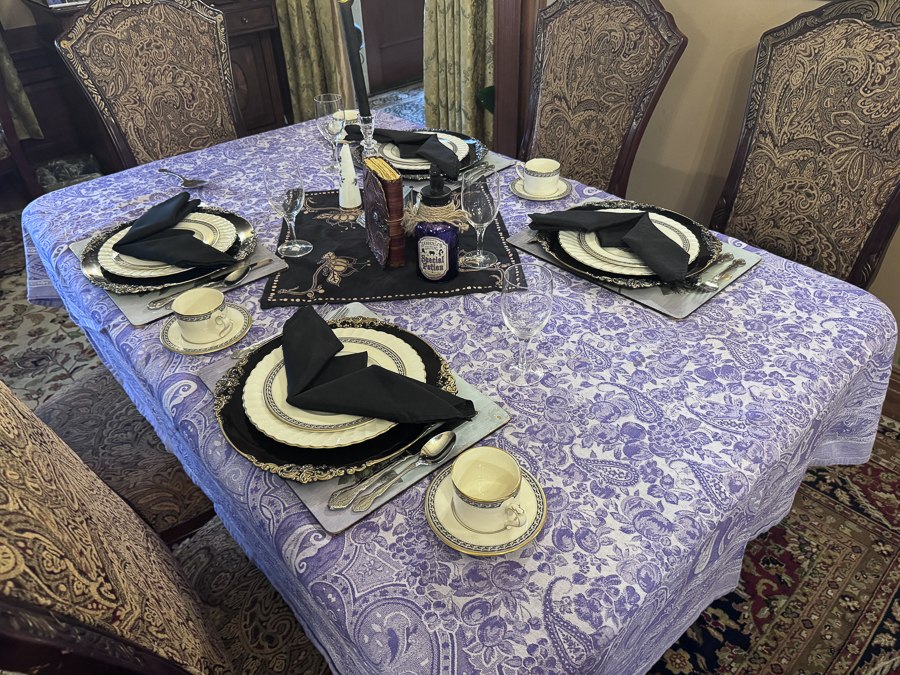
Gail and Paul are here! The place is decorated!
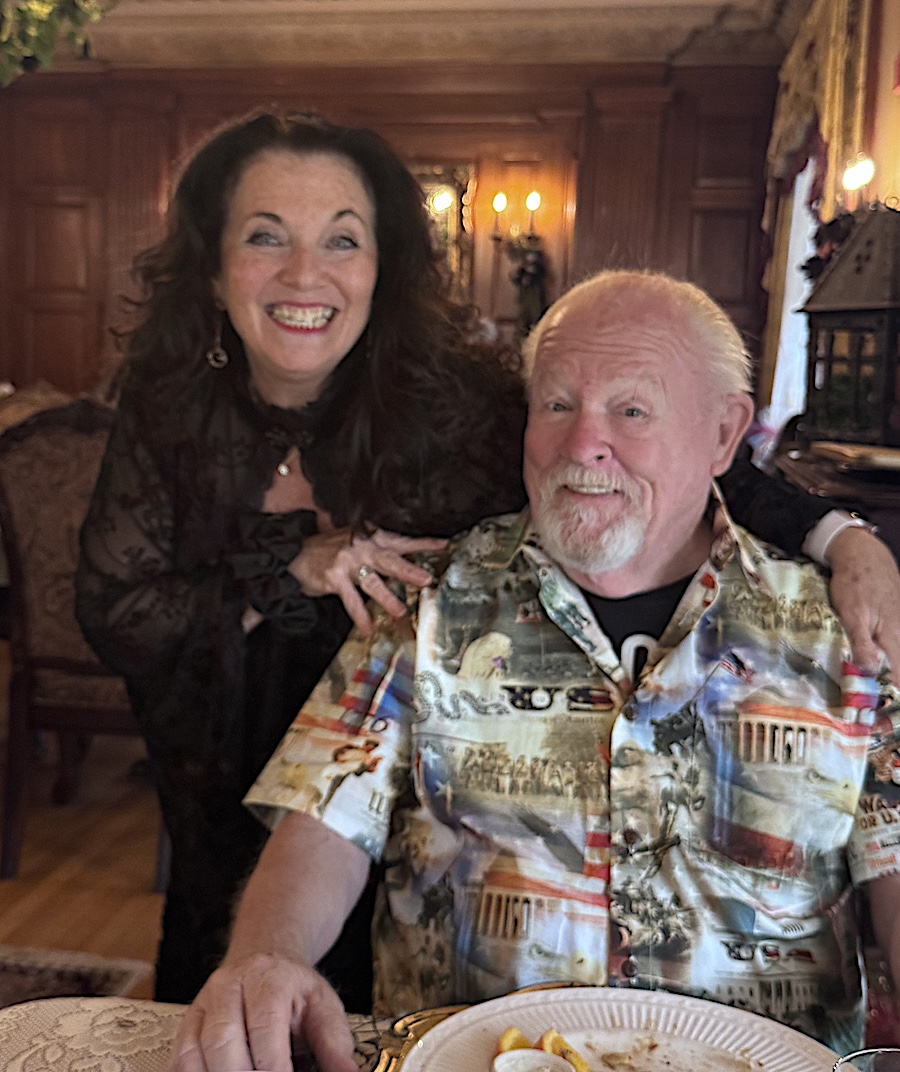
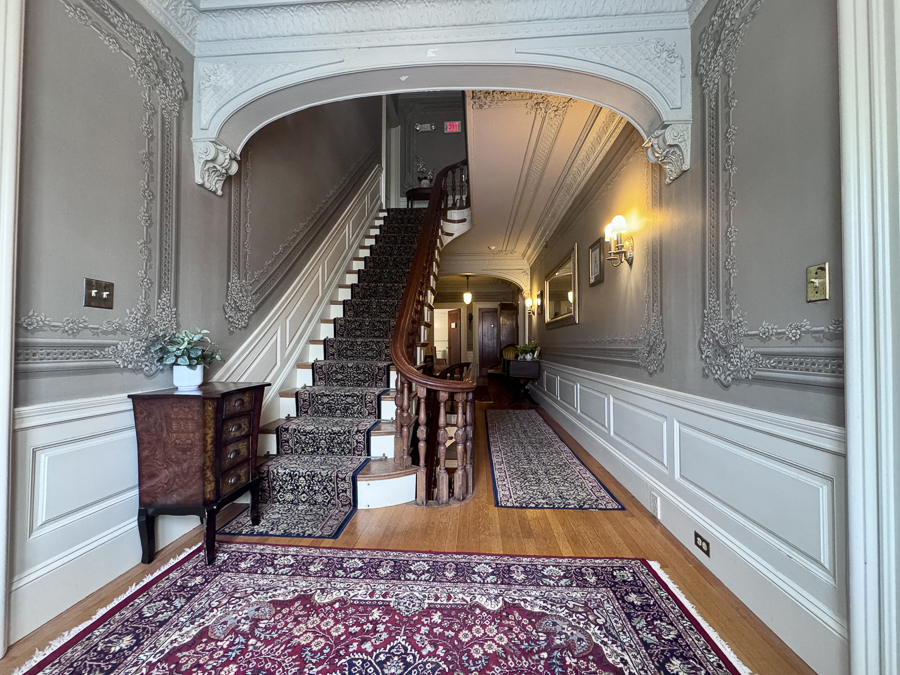
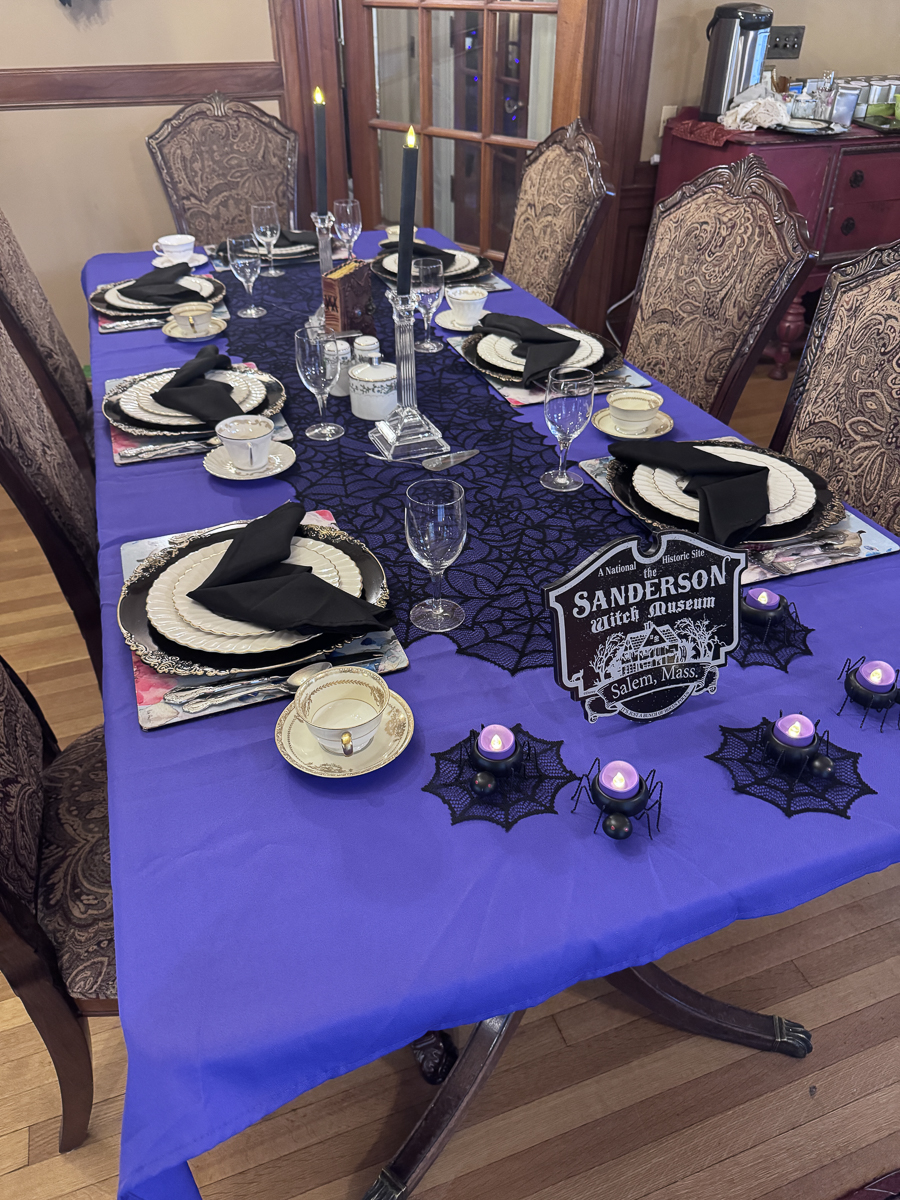
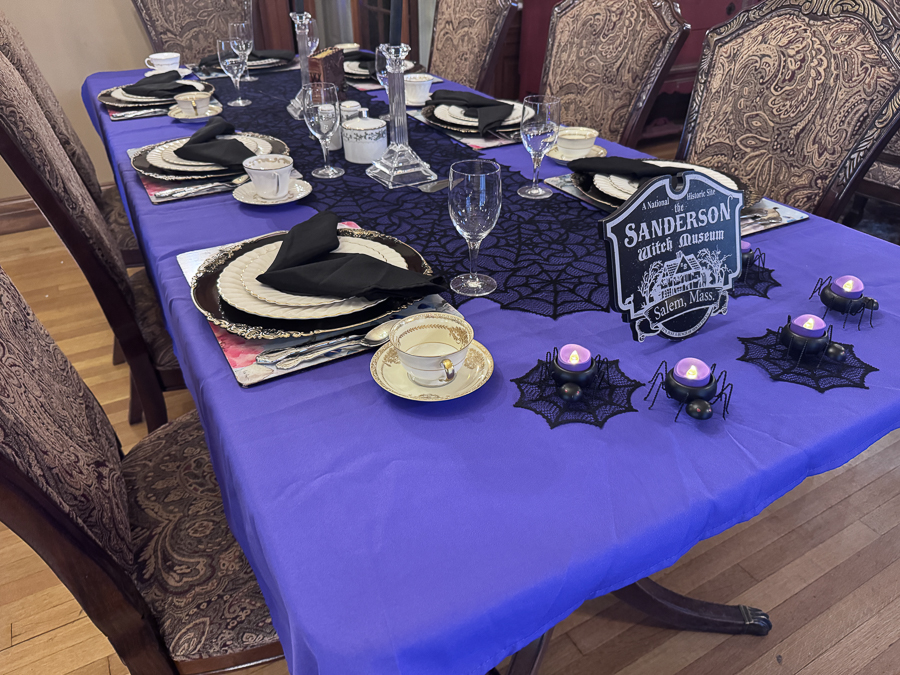
Ready for High Tea in a couple of hours!

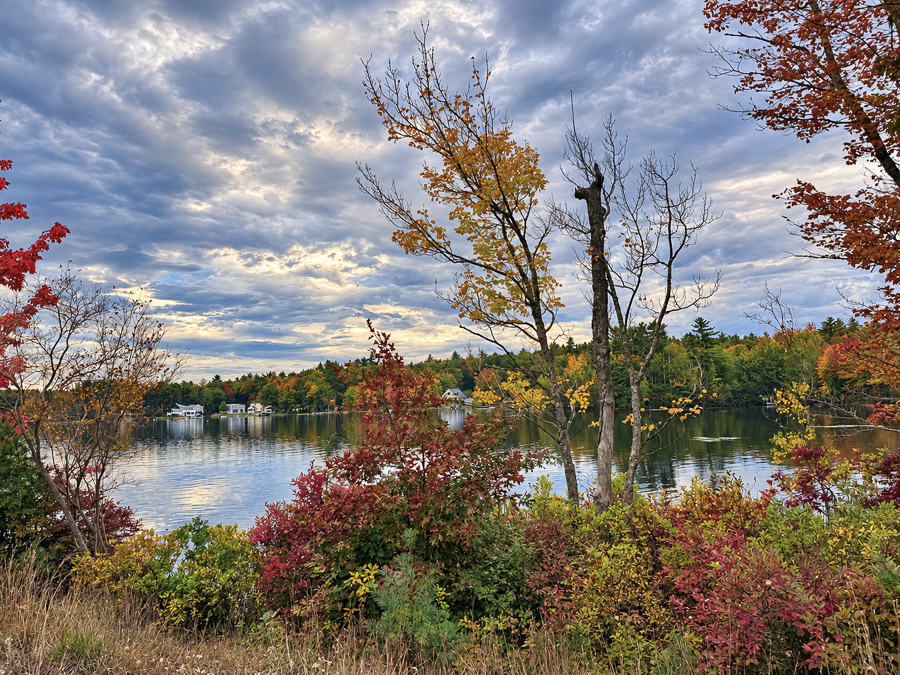
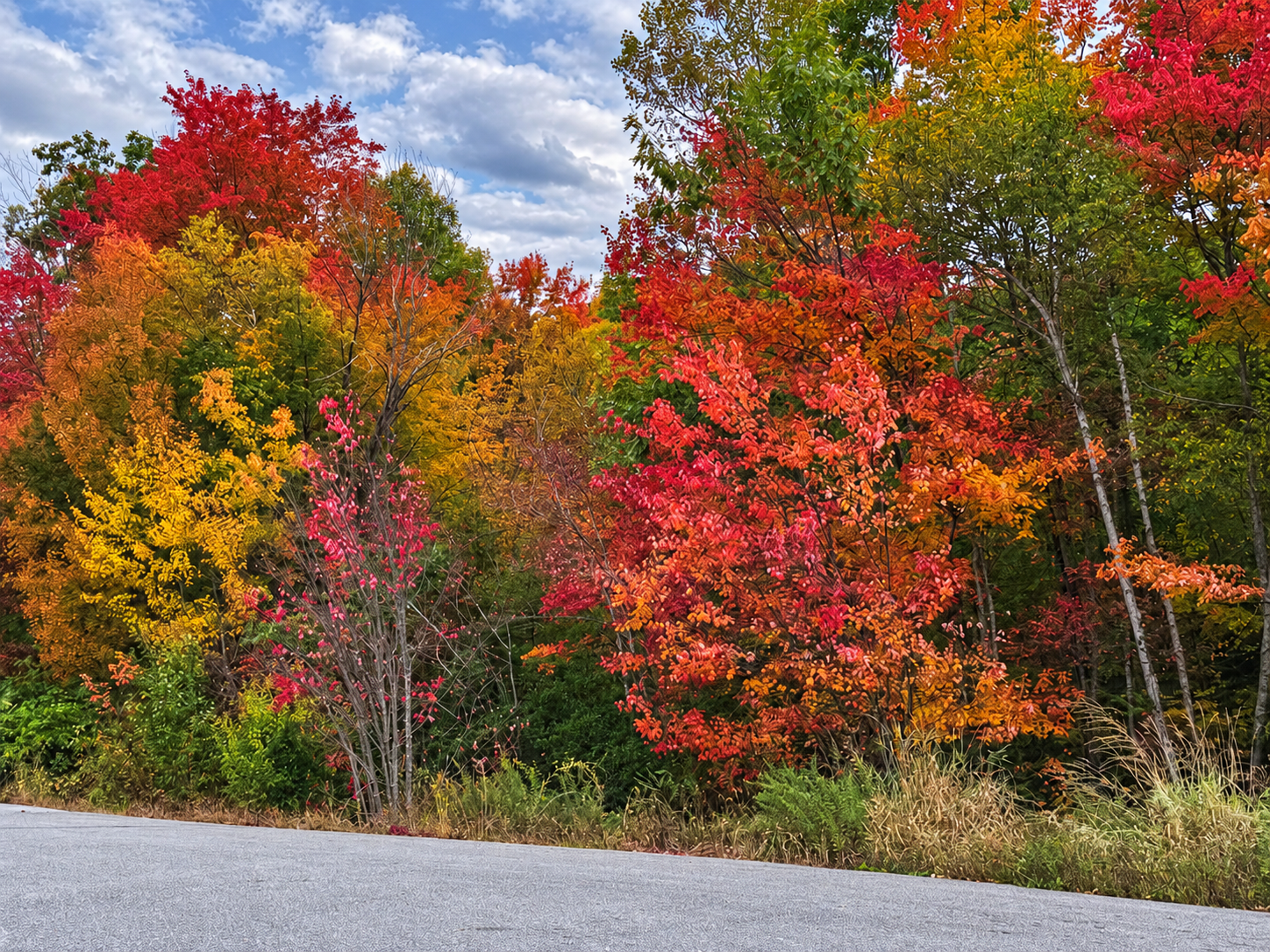
The colors are turning
The McAuliffe-Shepard Discovery Center is a science and space museum in Concord, New Hampshire. It is named after Christa McAuliffe, the teacher-astronaut who died in the 1986 Challenger disaster, and Alan Shepard, the first American in space and a New Hampshire native.
The center focuses on space exploration, astronomy, aviation, and Earth science. It features interactive exhibits, spacecraft and aviation displays, educational programs, and a planetarium theater. Its mission is to inspire learning about science, technology, engineering, and mathematics, especially through the legacy of McAuliffe and Shepard.
The drive to the museum took 65 minutes, and we drove through miles and miles of fall-colored trees.
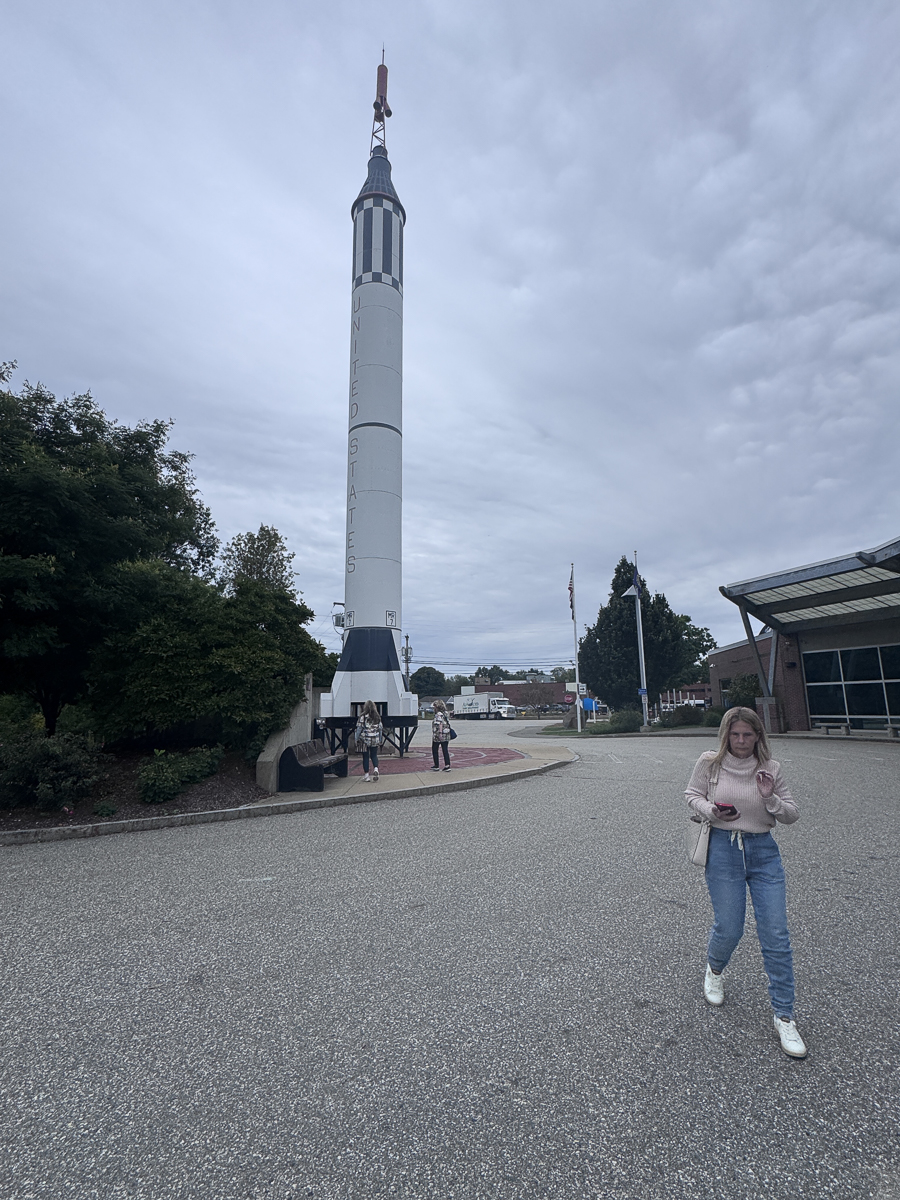
We have arrived!
Colleen runs to take a picture!
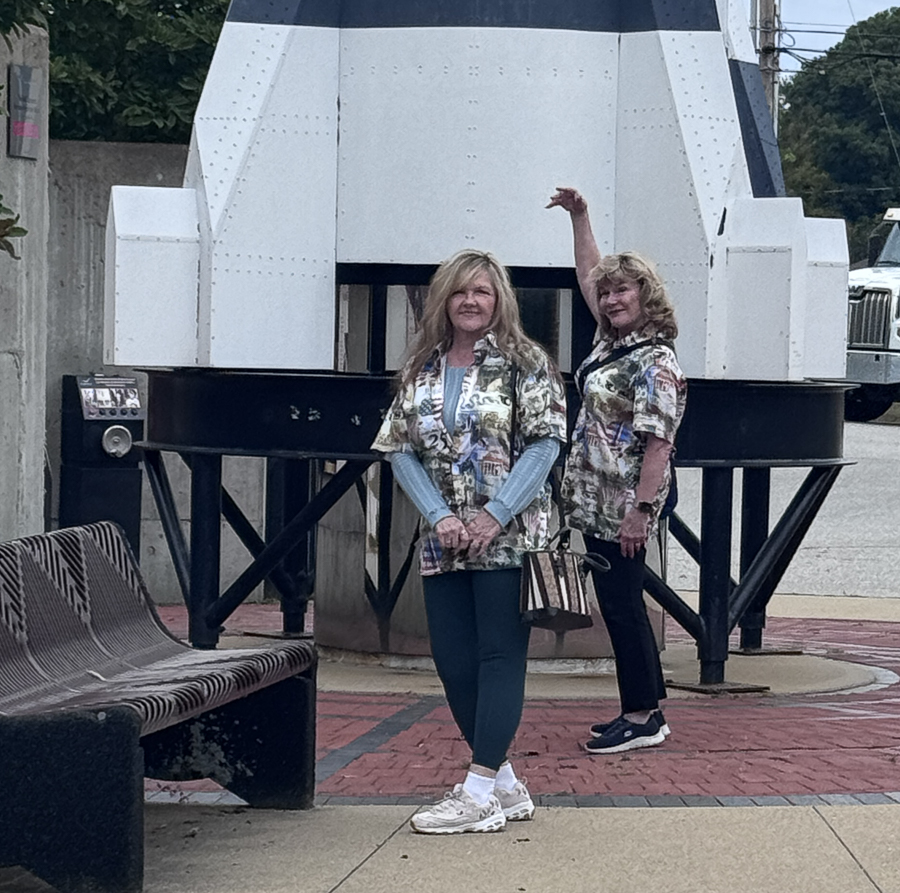
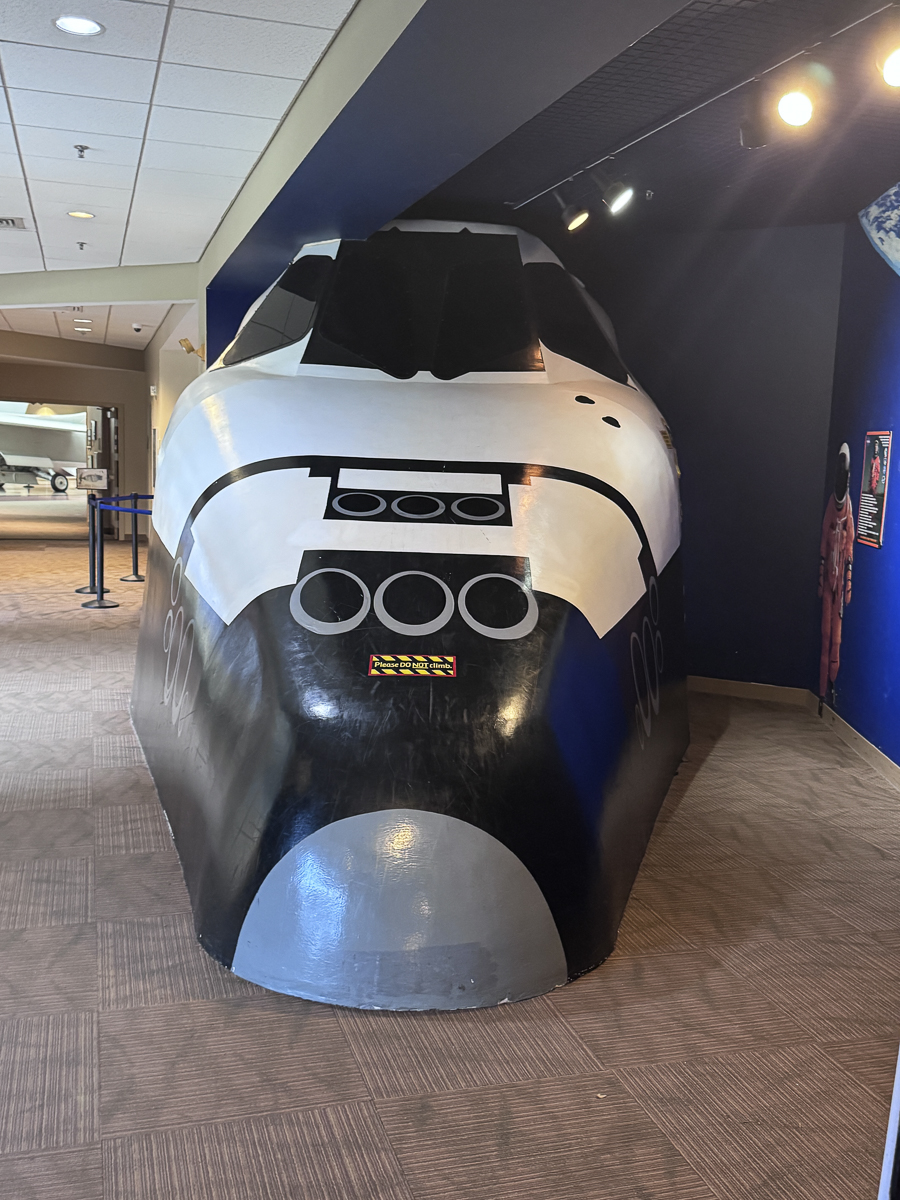
Blastoff! Robin and Mary are ready for liftoff!
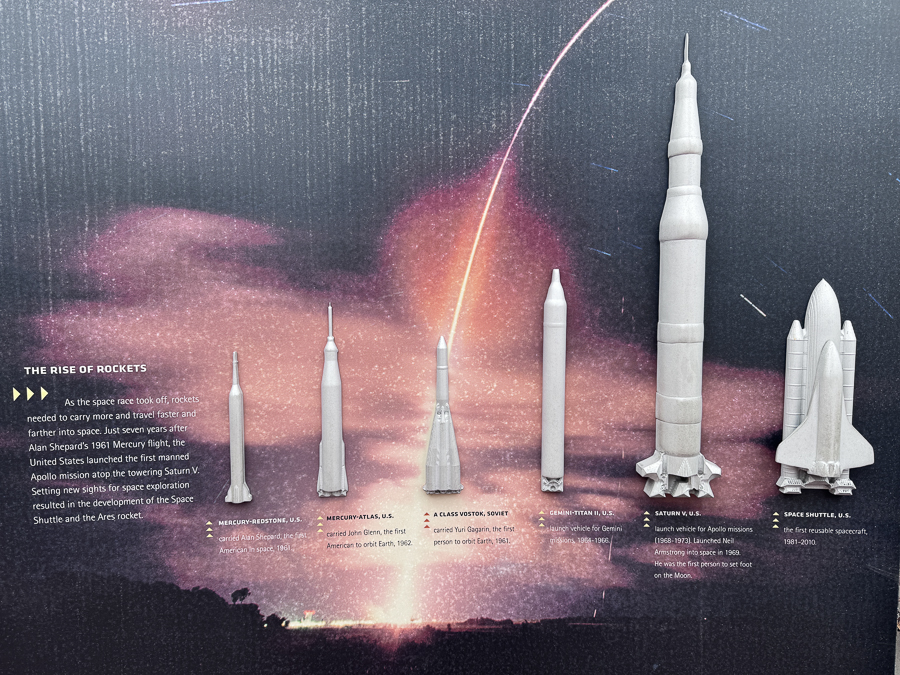
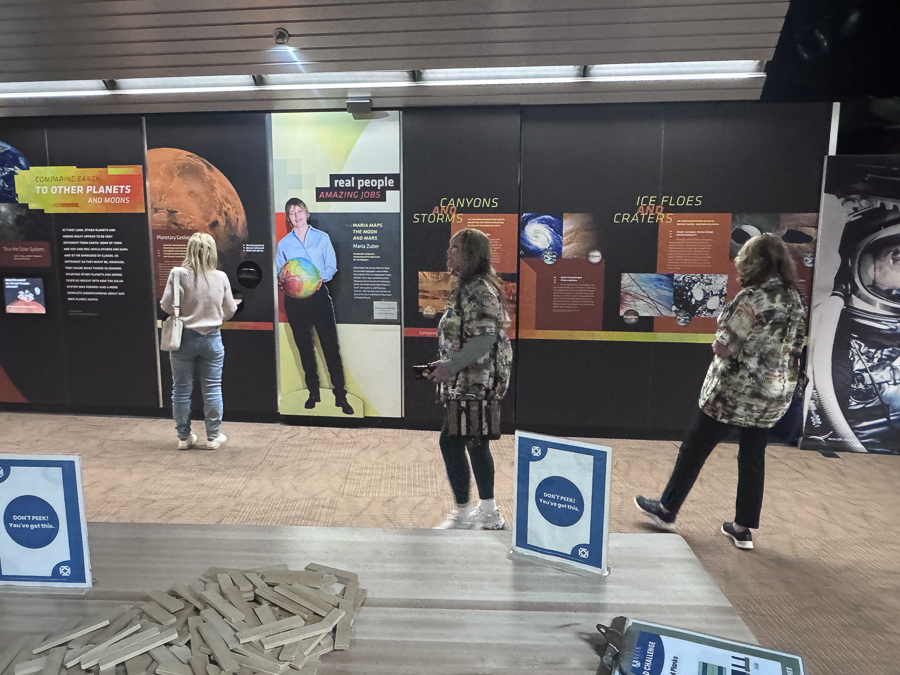
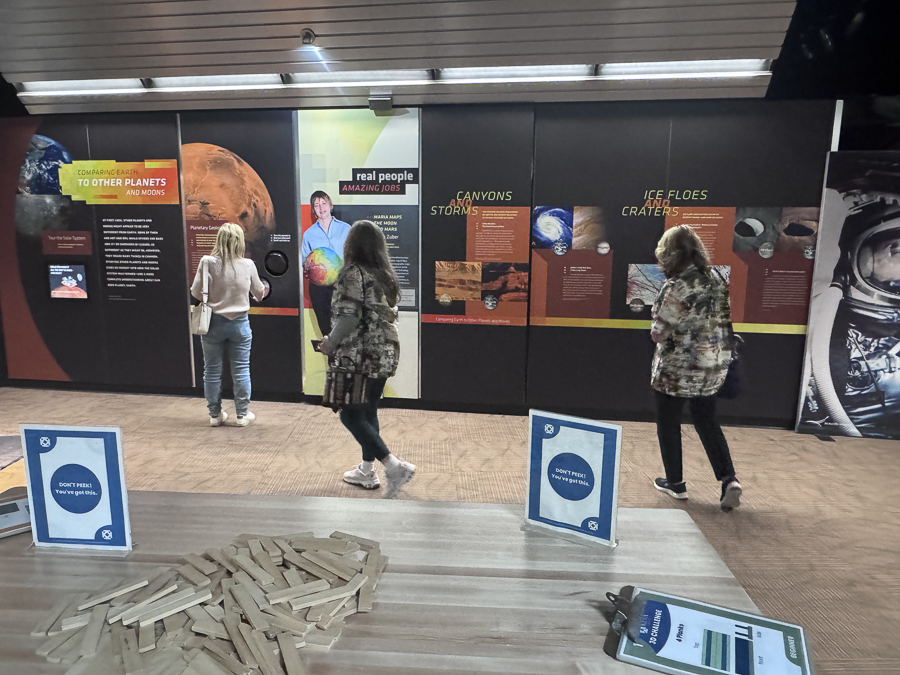
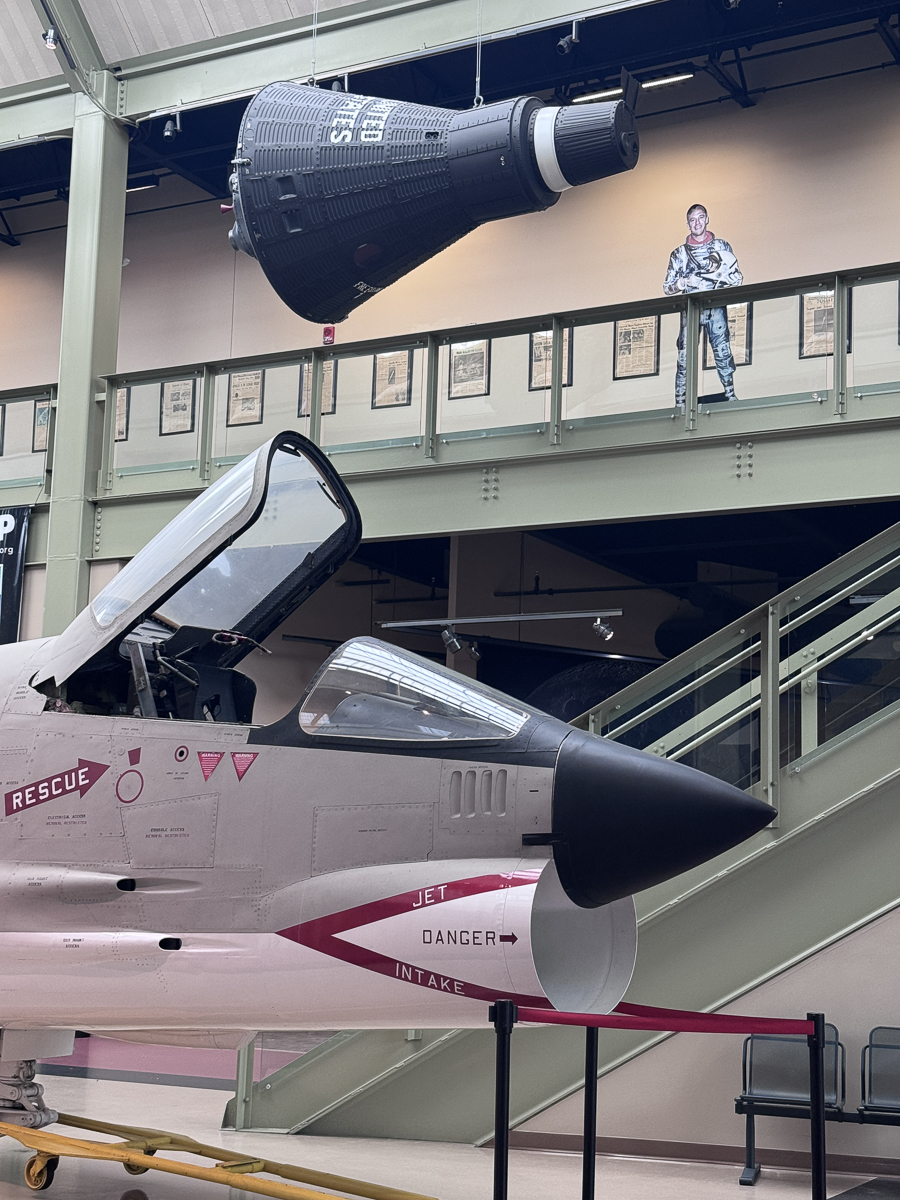
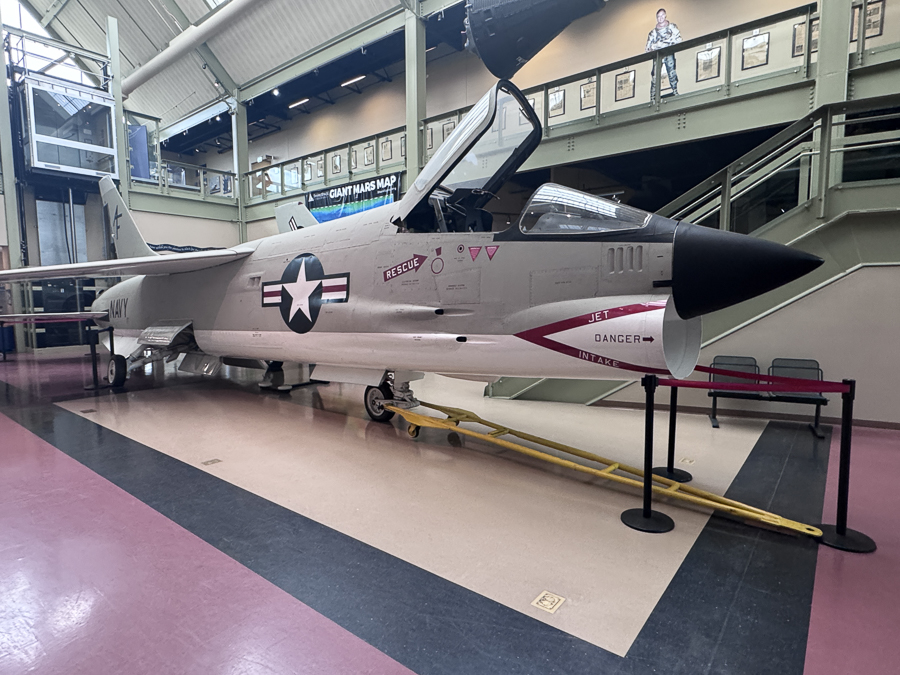
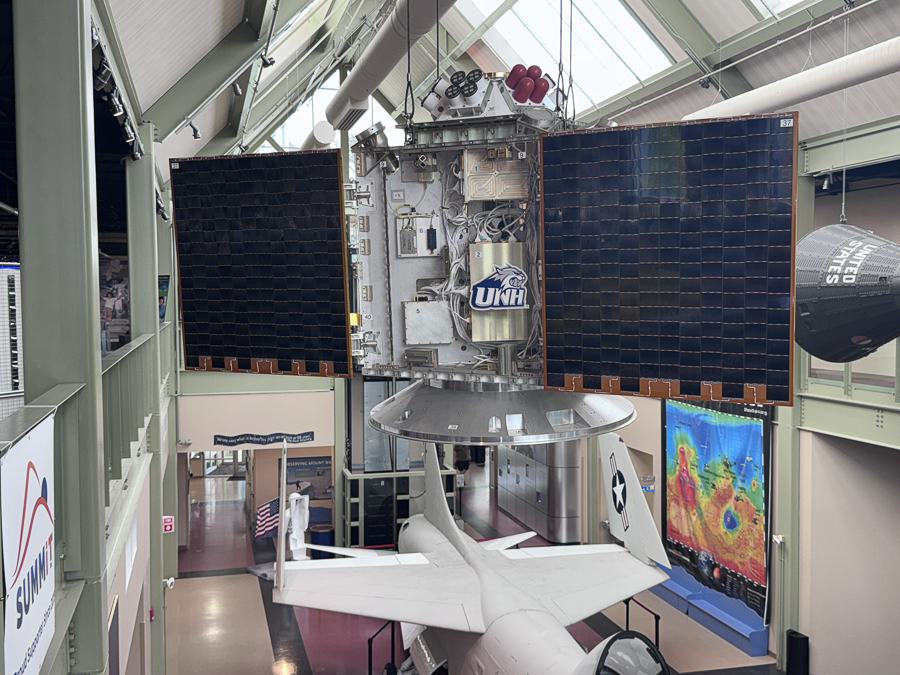
Comparisons are interesting
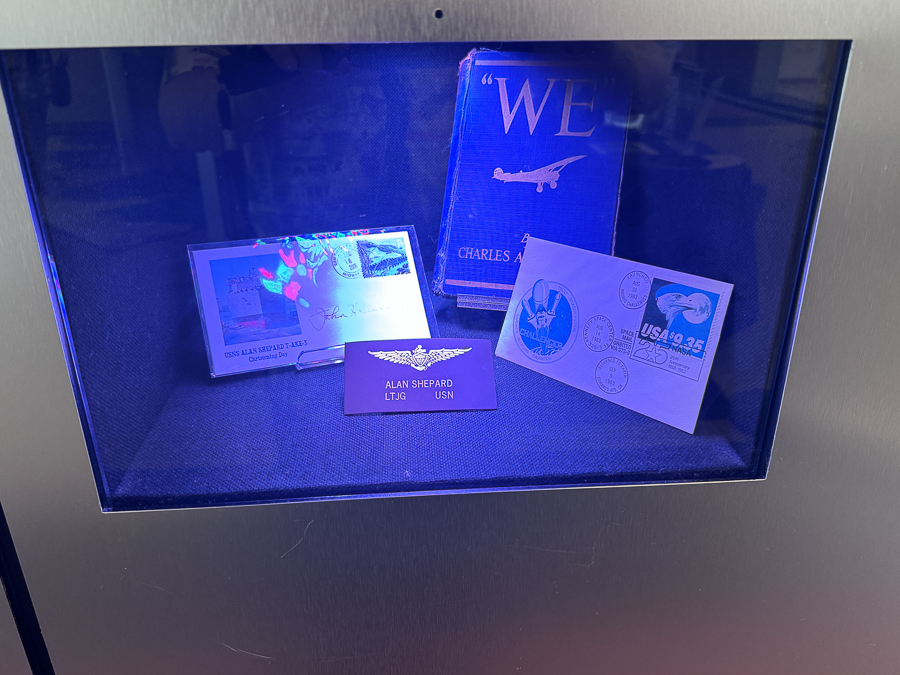
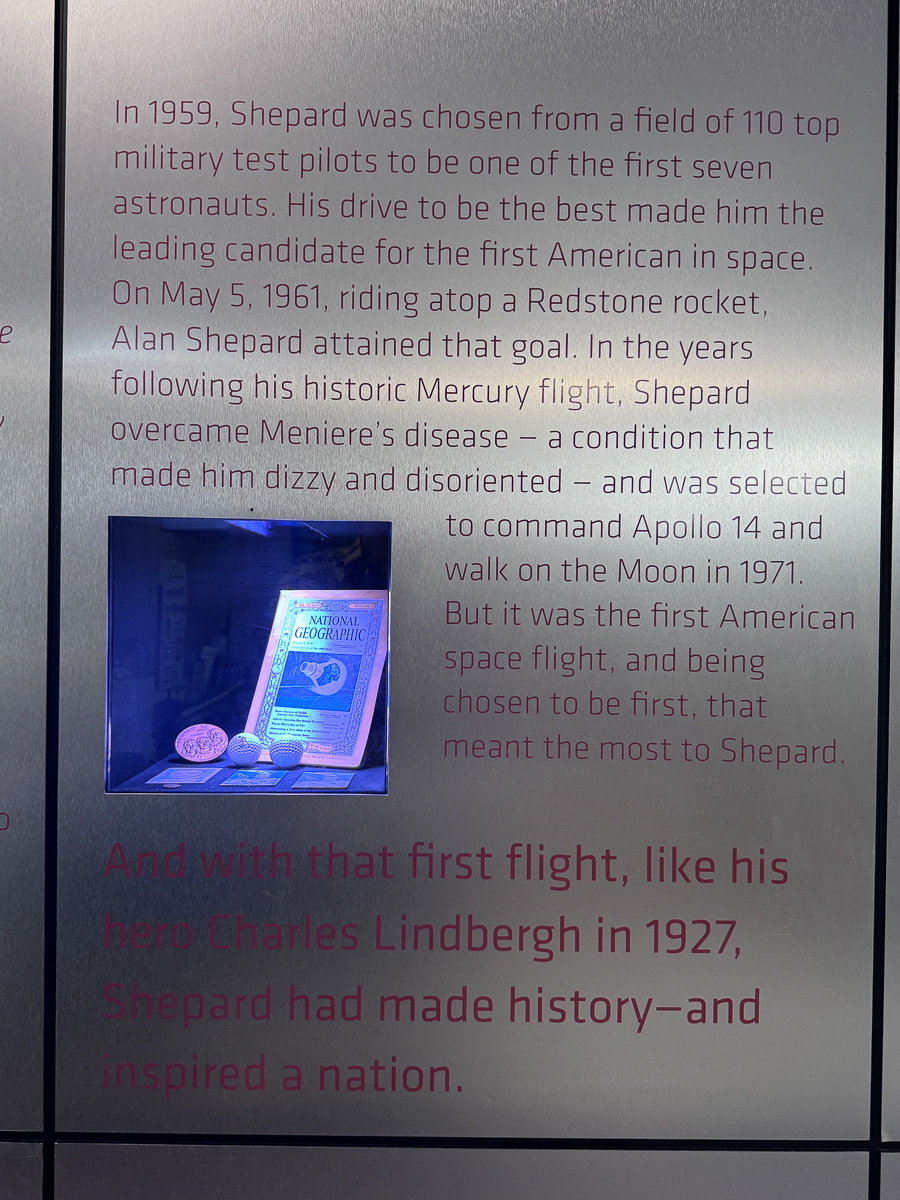
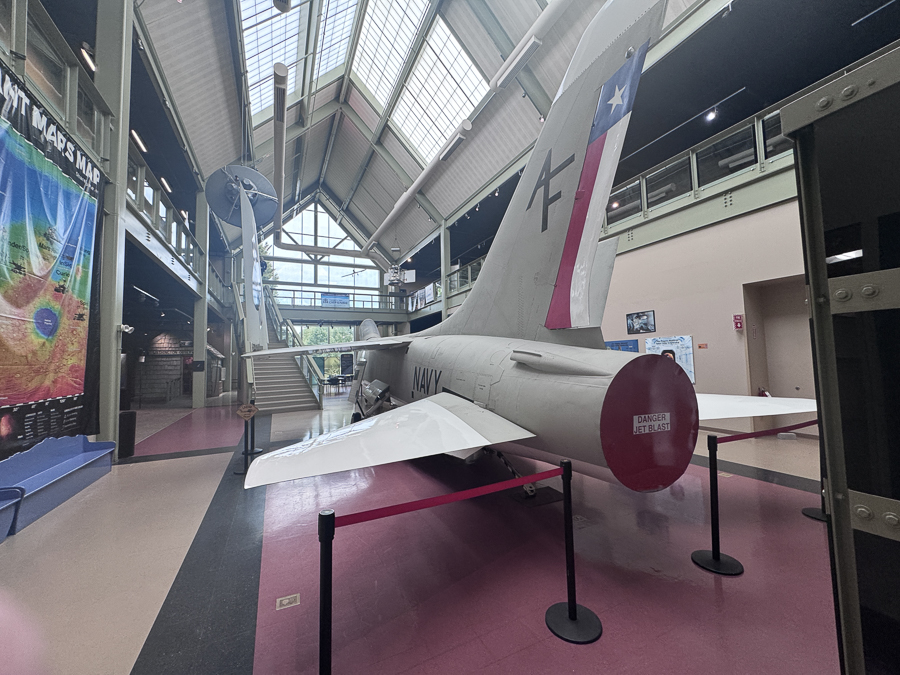
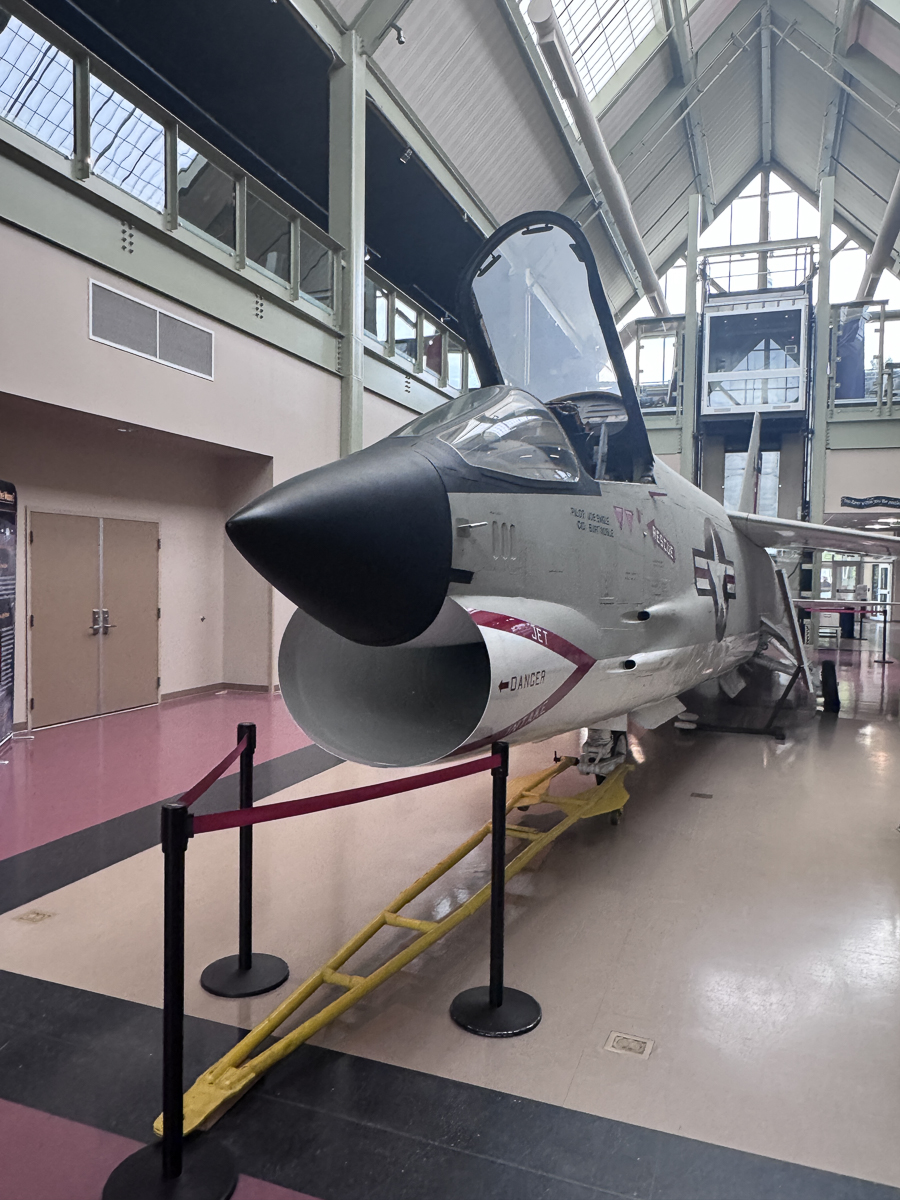
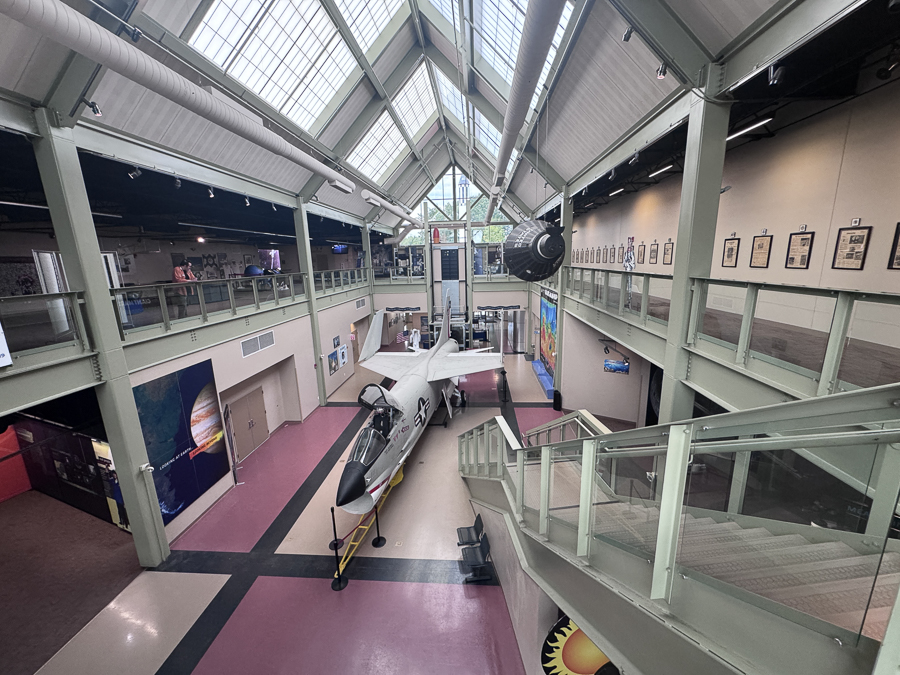
Alan Shepard flew this airplane
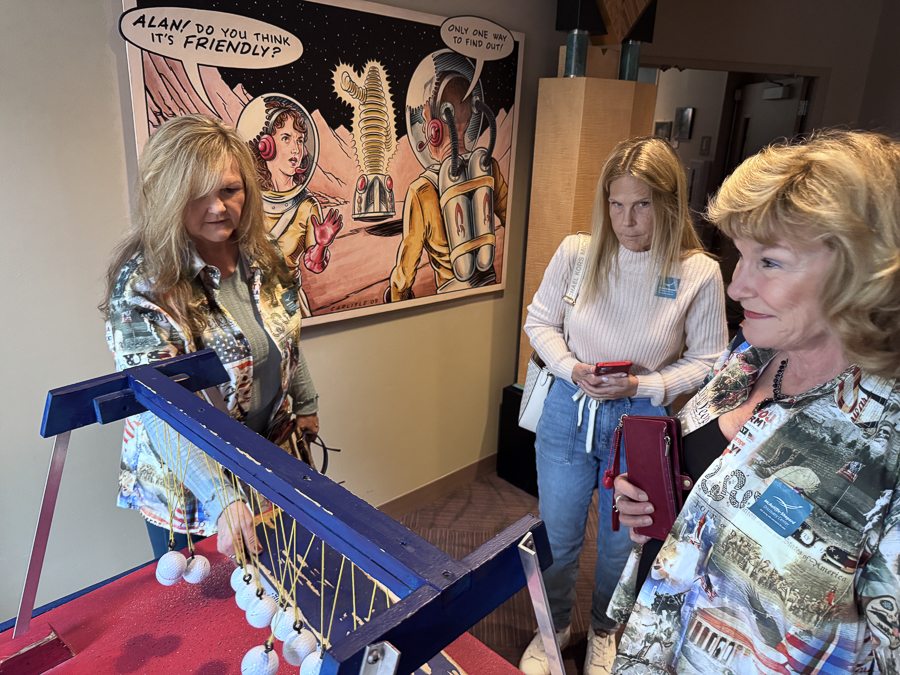
Robin, Colleen, and Mary play with the displays!
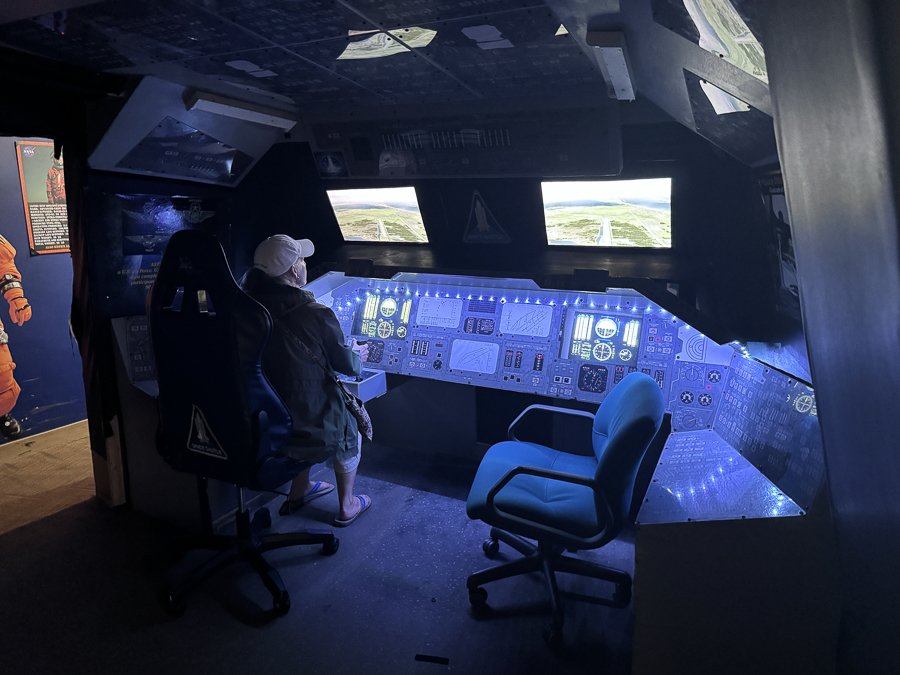
We tried it with amazingly poor results!
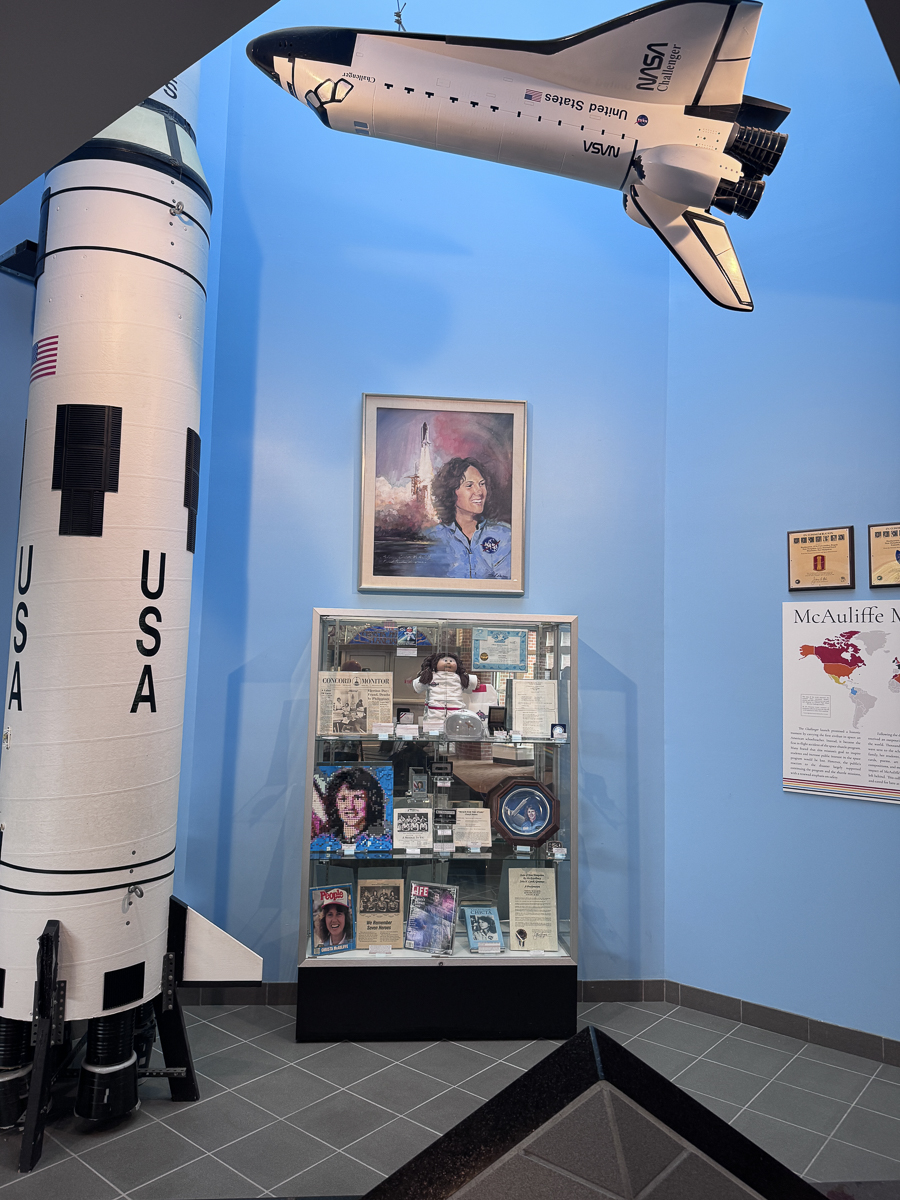
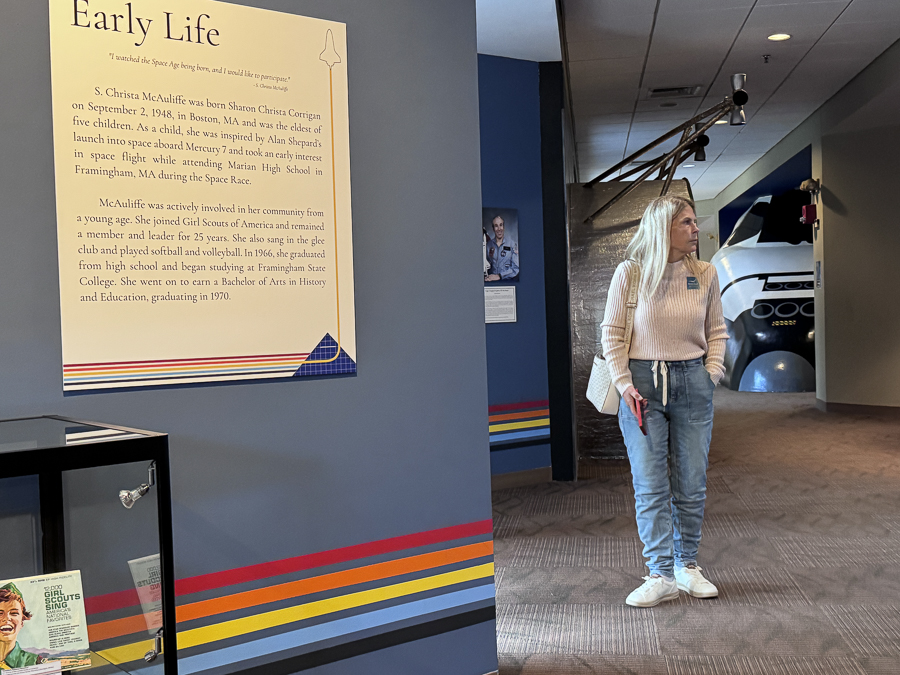
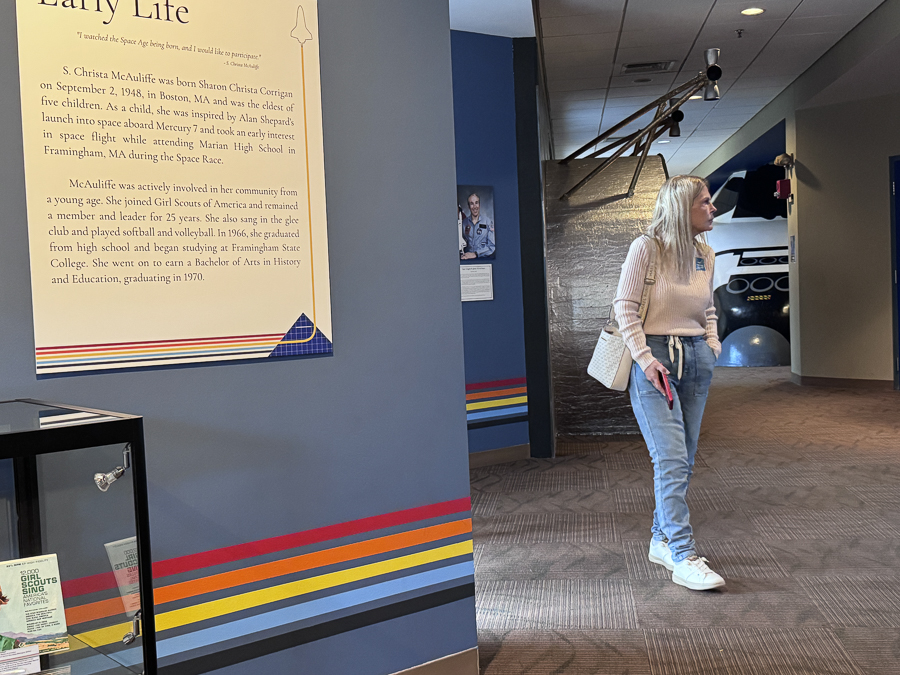
Christie McAuliff cme to Downey several times and I met up with her as she needed some details on the flight control system.
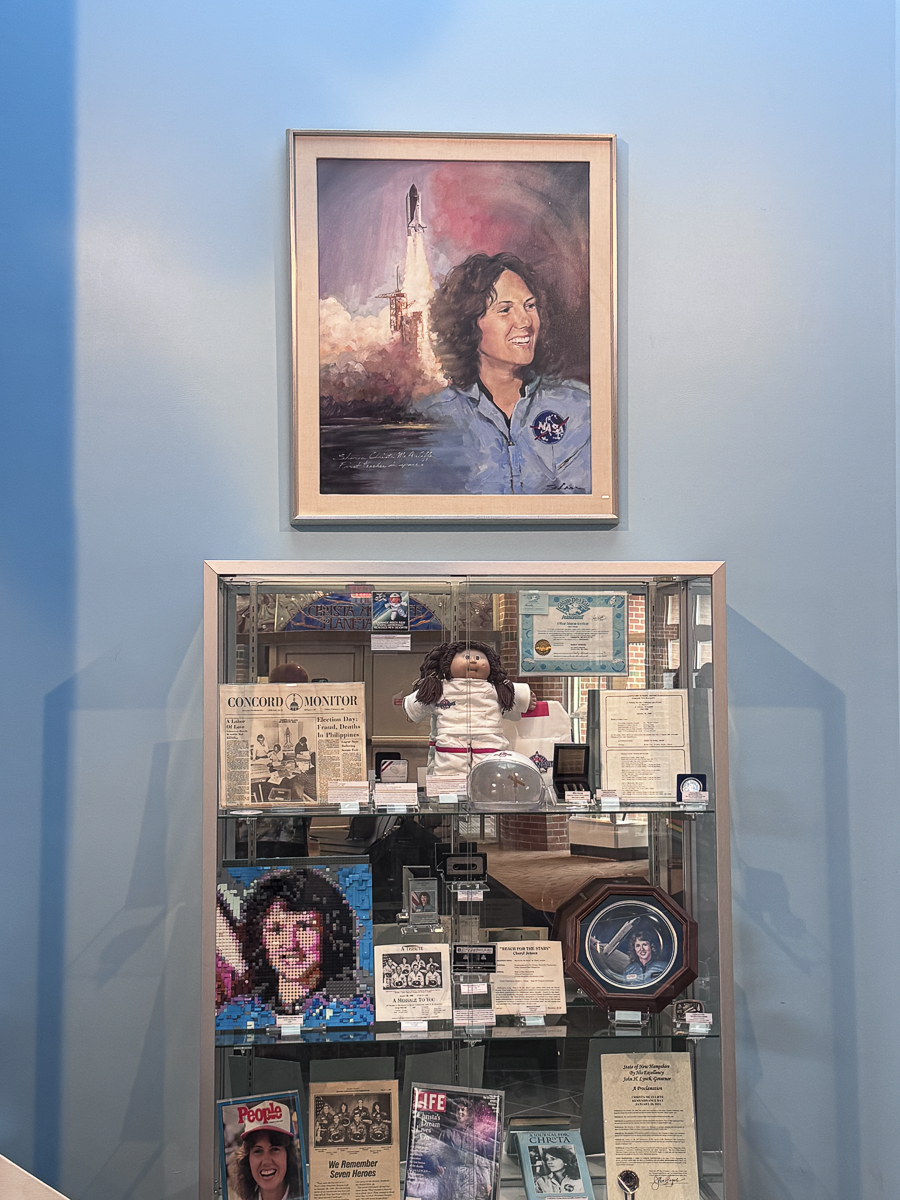
I met Christie several times!
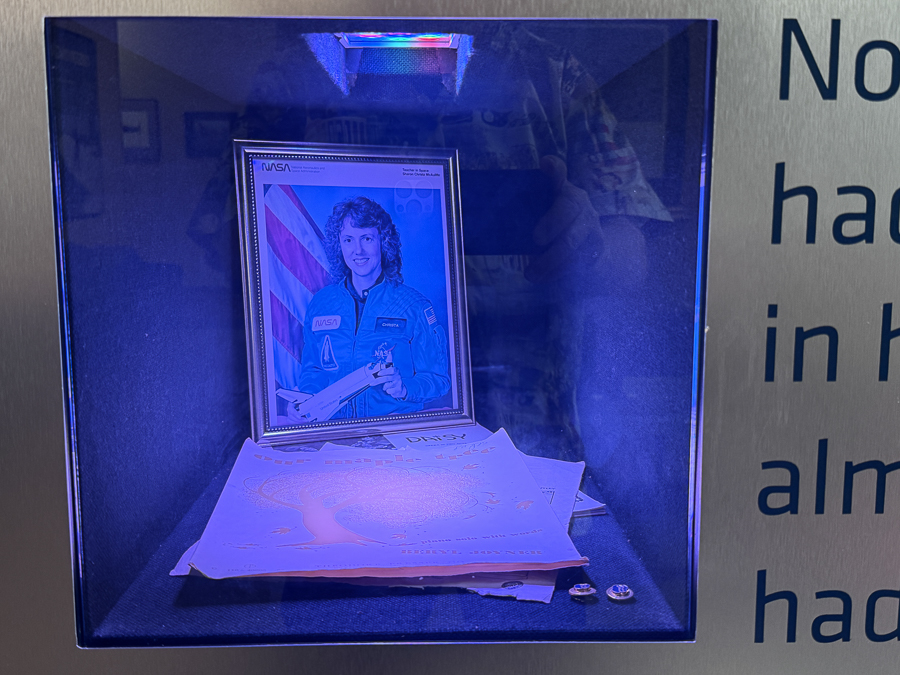
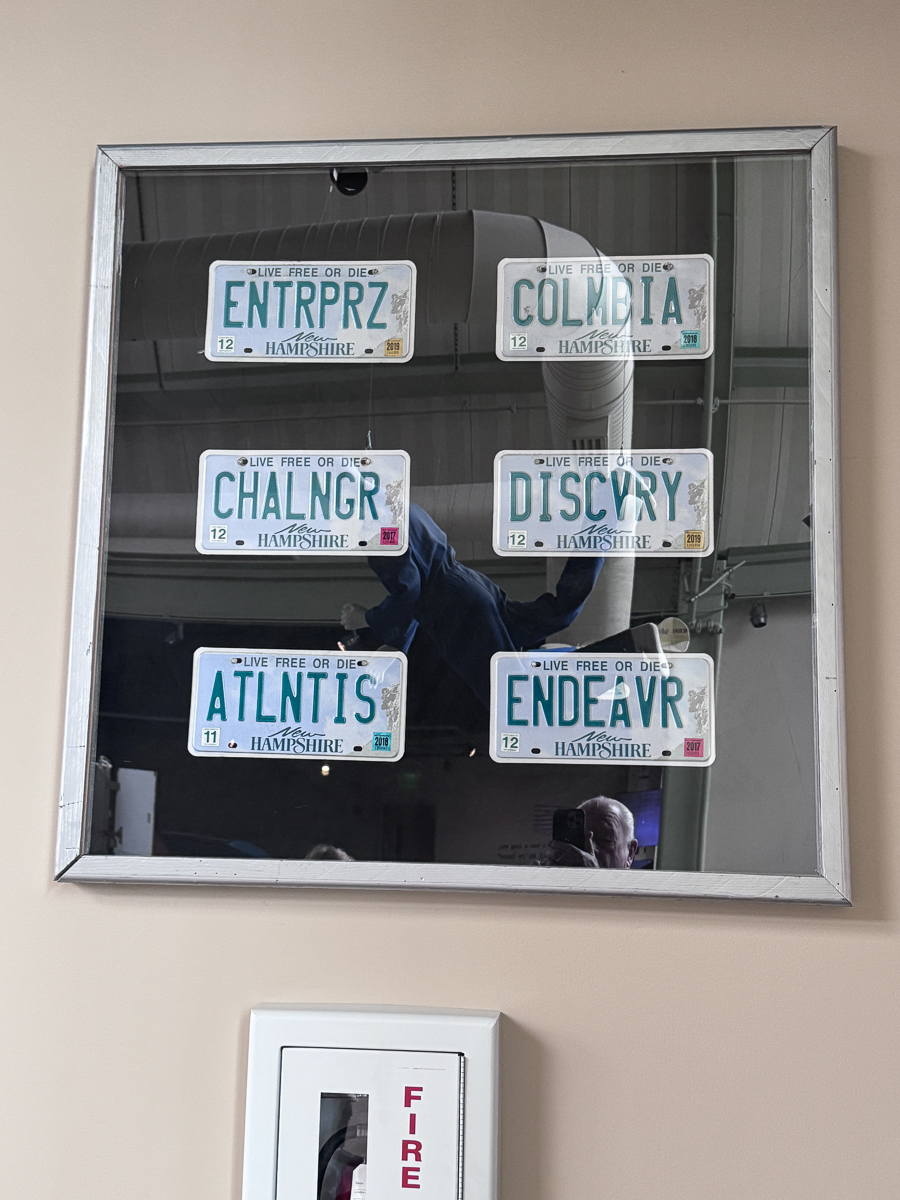
Christa McAuliffe was a high school teacher from New Hampshire chosen for NASA's Teacher in Space Project. She was set to become the first teacher in space aboard the Challenger shuttle. On January 28, 1986, the shuttle broke apart shortly after launch, killing McAuliffe and the six other crew members. She is remembered for inspiring students and bringing public attention to space exploration.
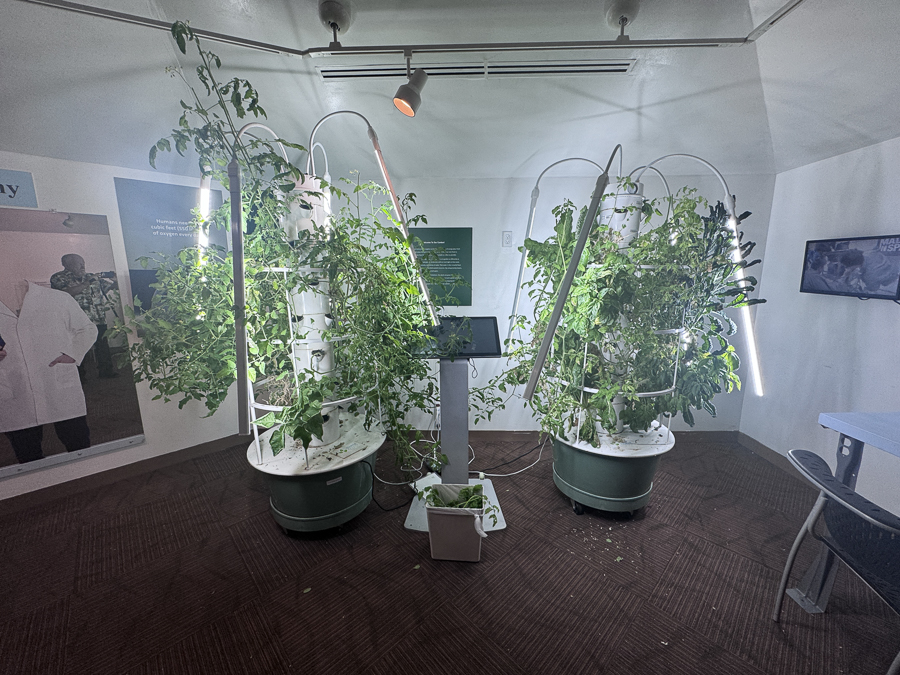
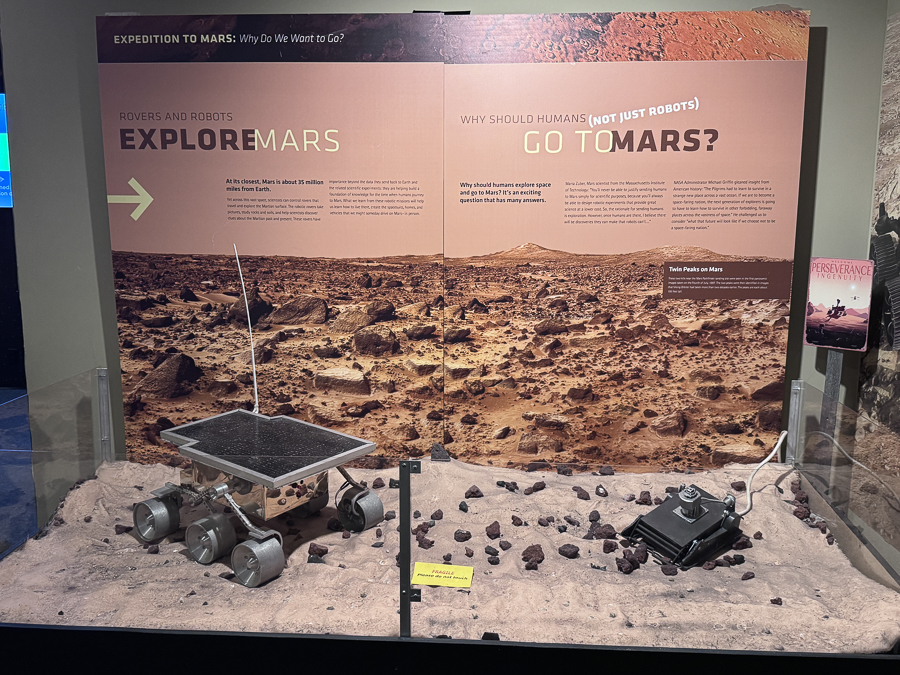
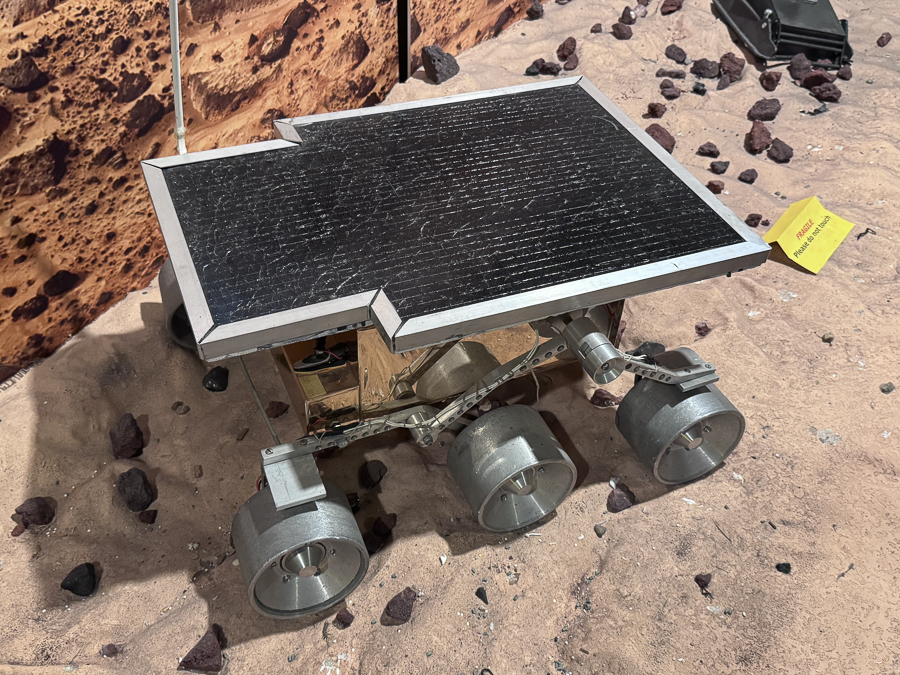
Life on Mars will require humans to grow
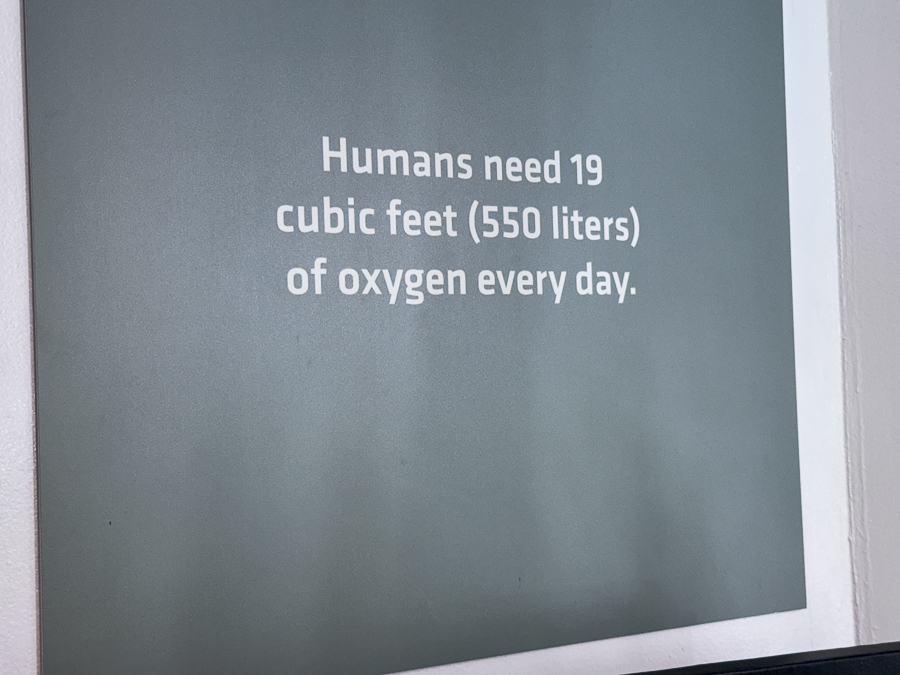
Oh my! 50 liters is about 145.3 US gallons (or 121.0 Imperial gallons).
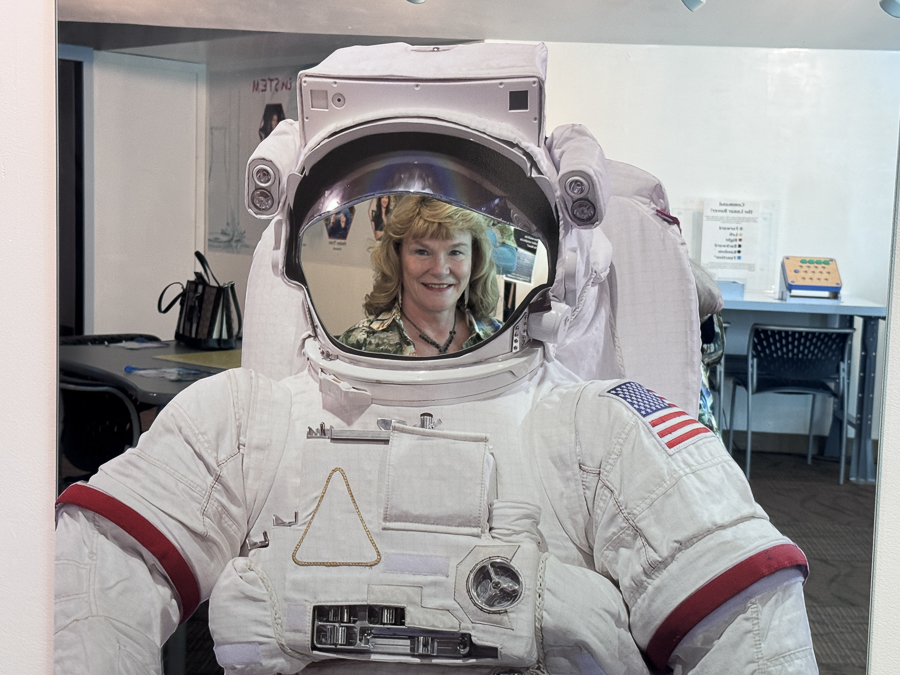
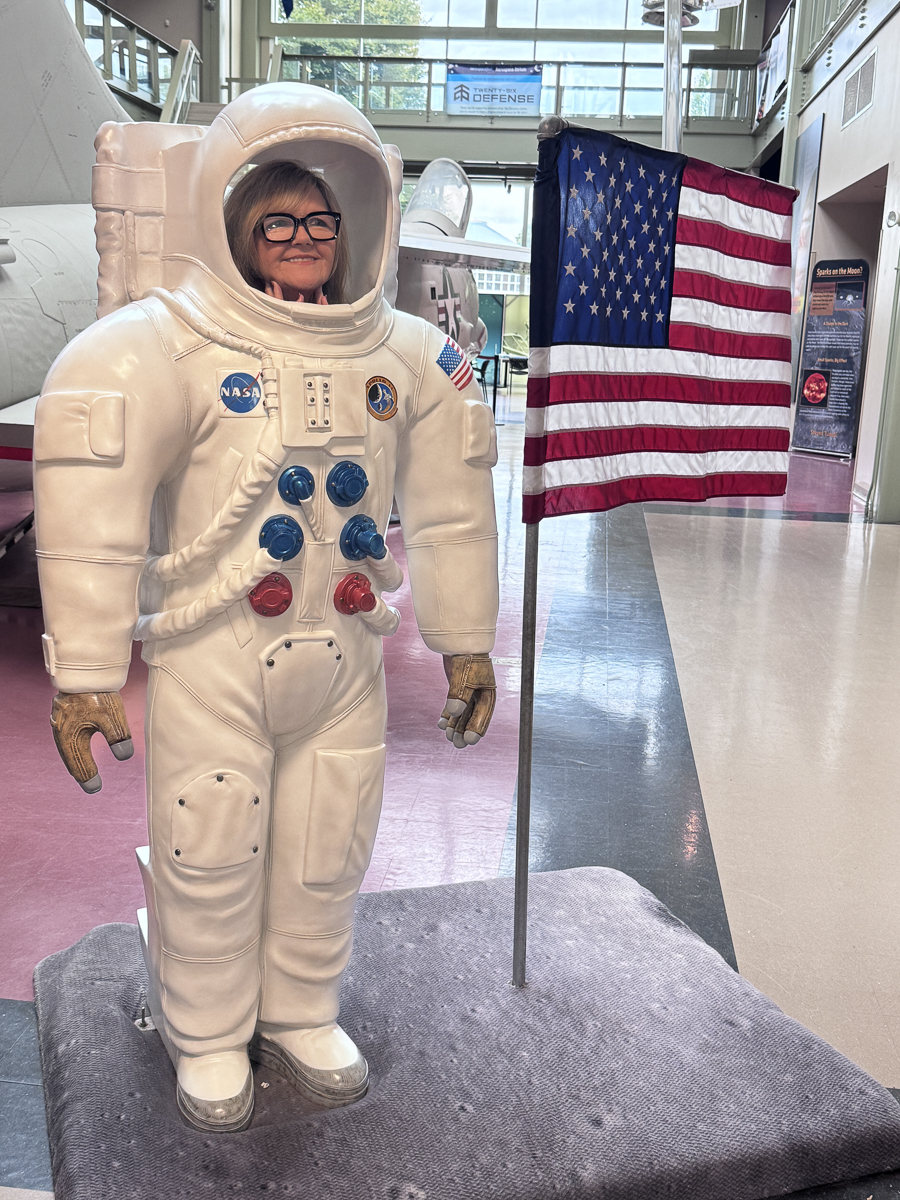
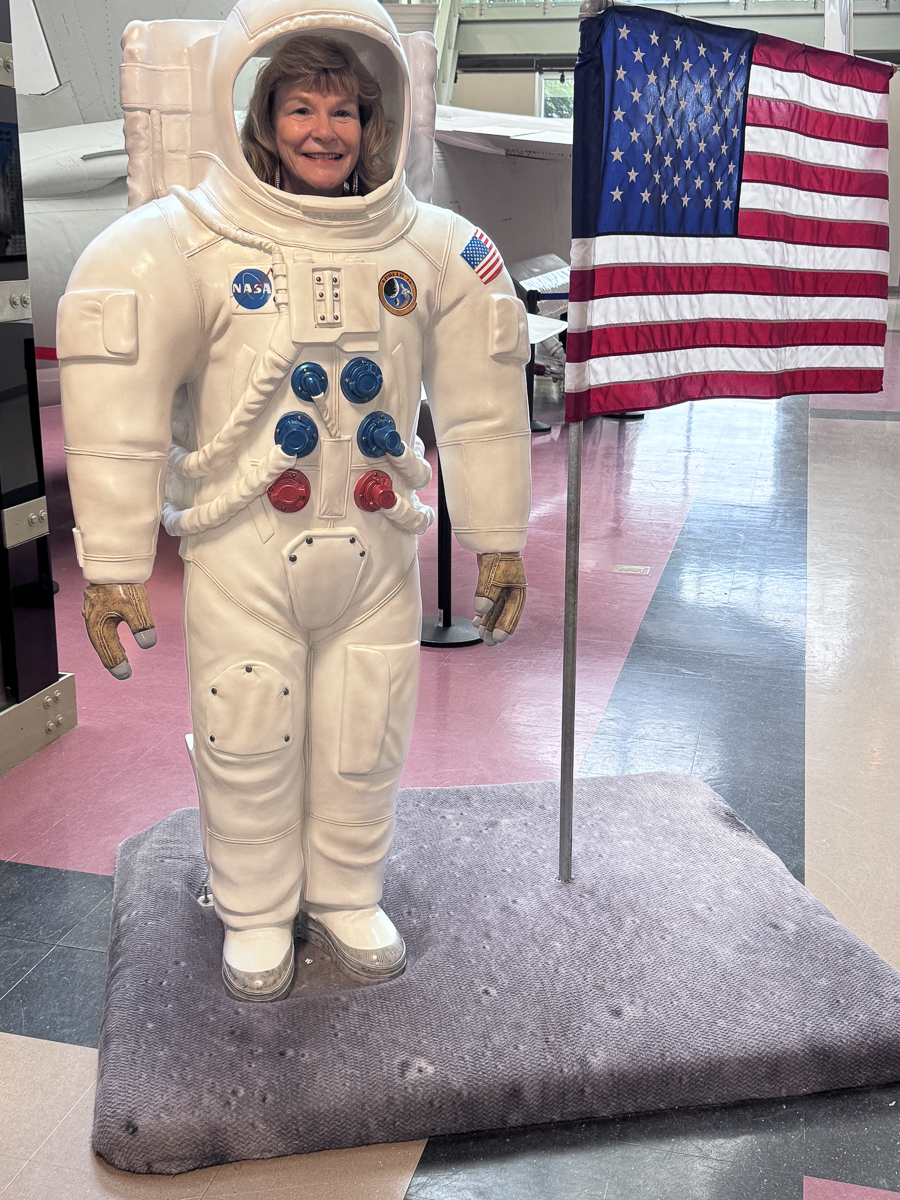
Mary is dressed and no place to go1
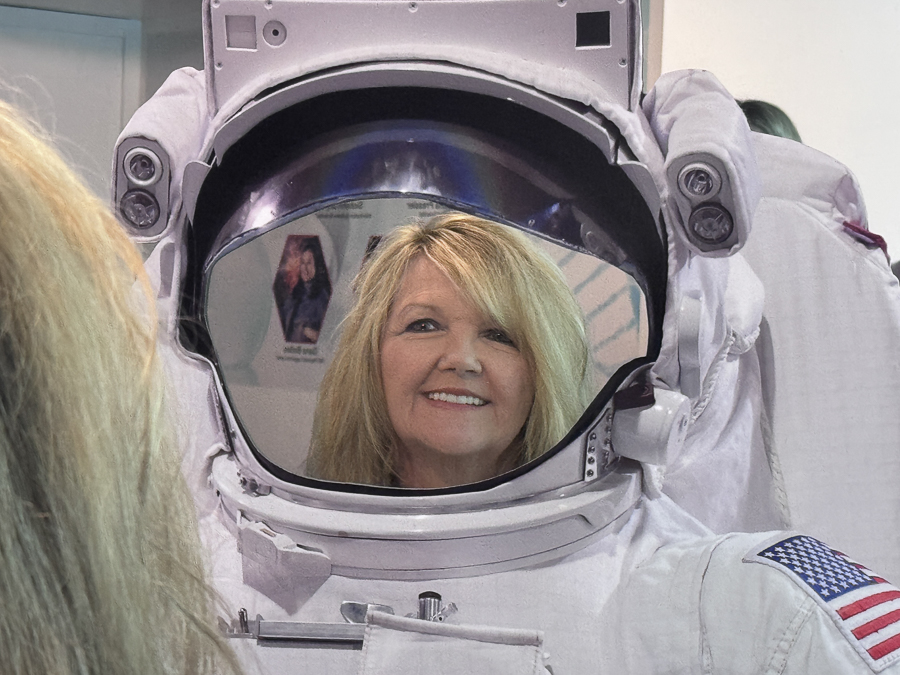
T=0!
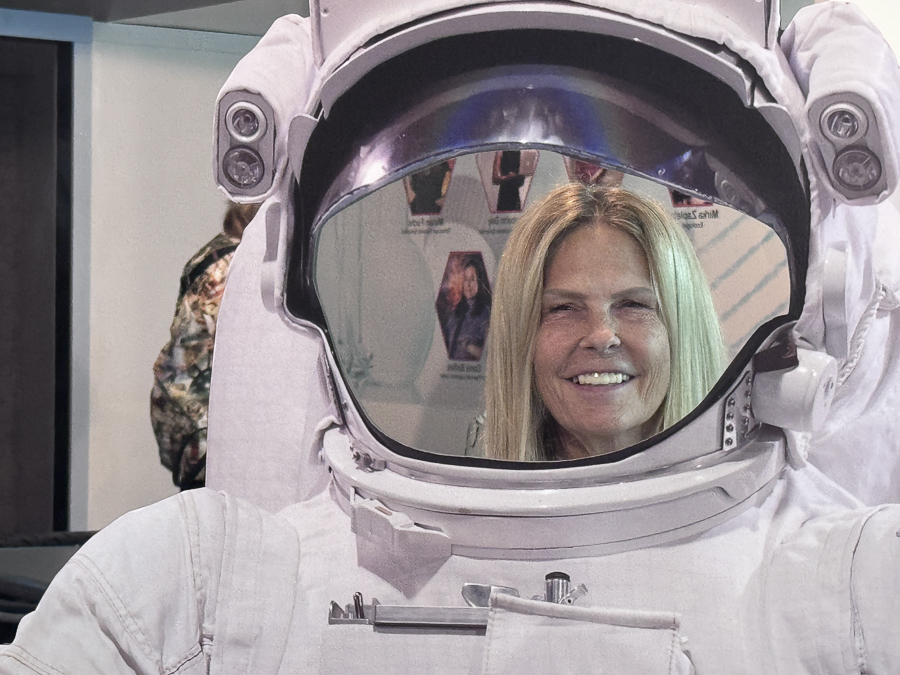
The astronaut!
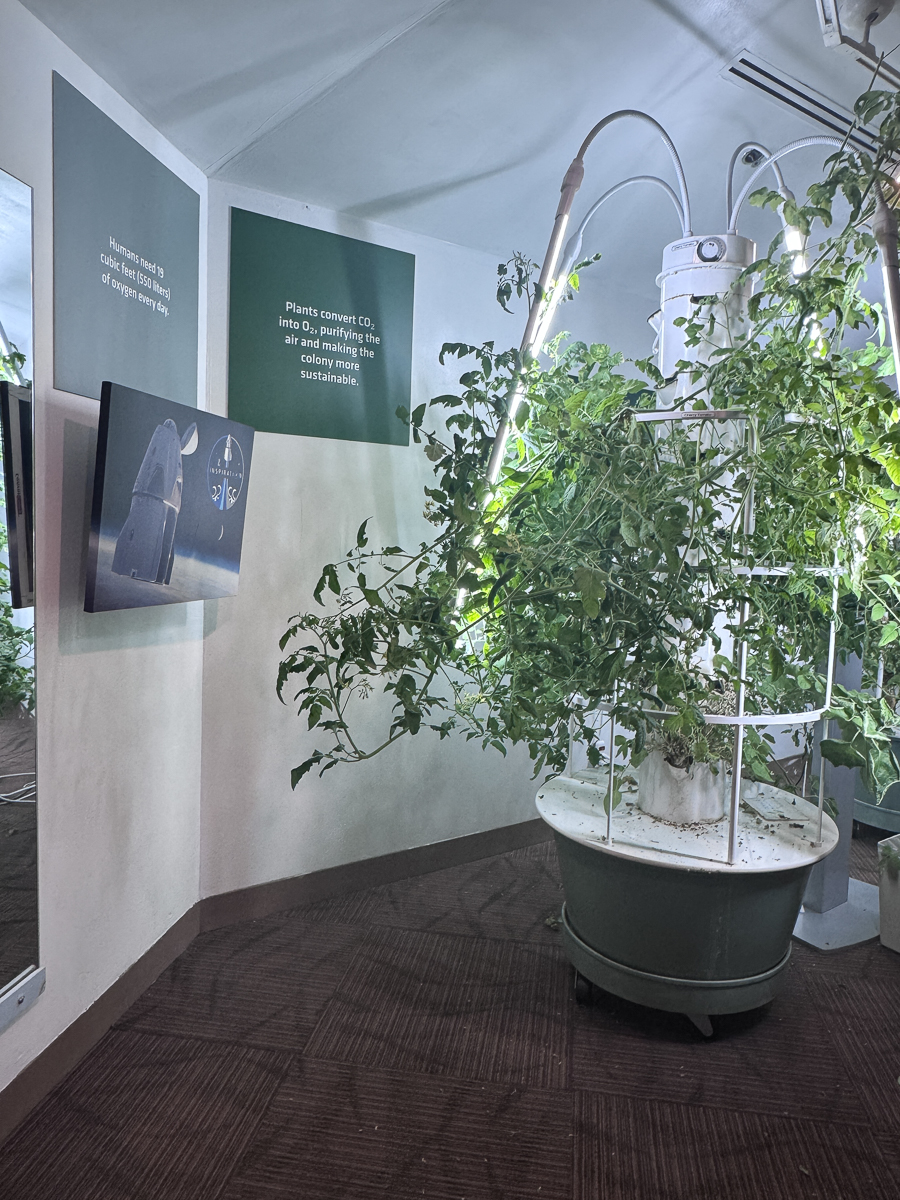
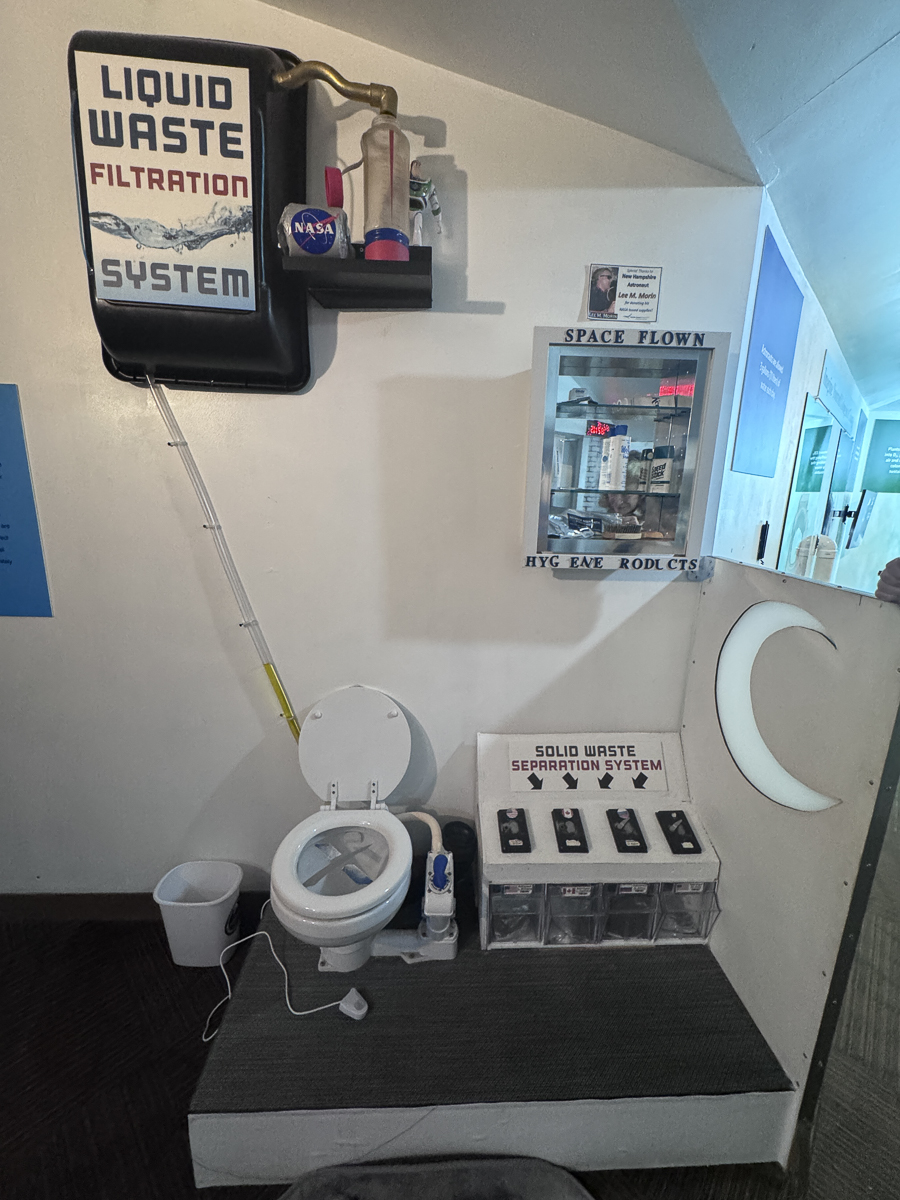
How do we poop in space? CAREFULLY!
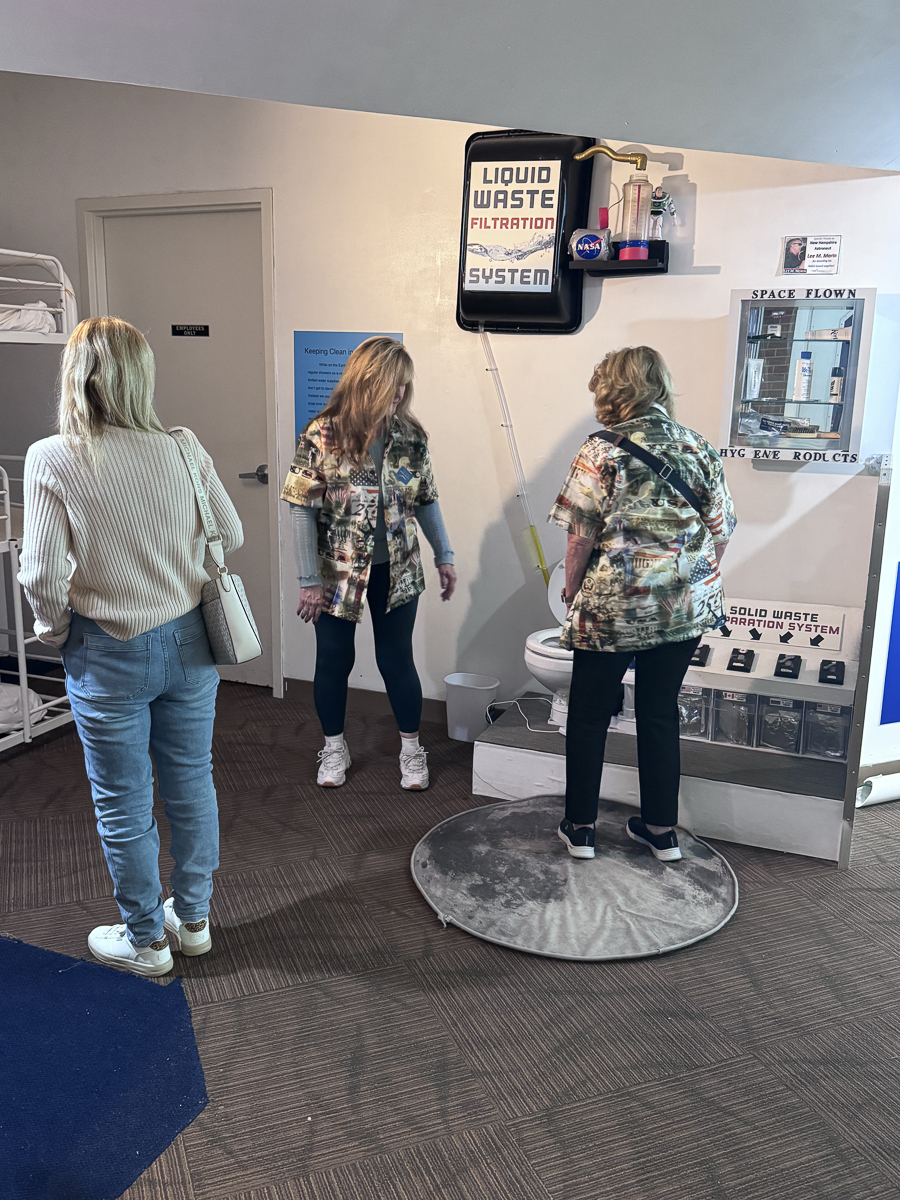
MAry ponders the display!
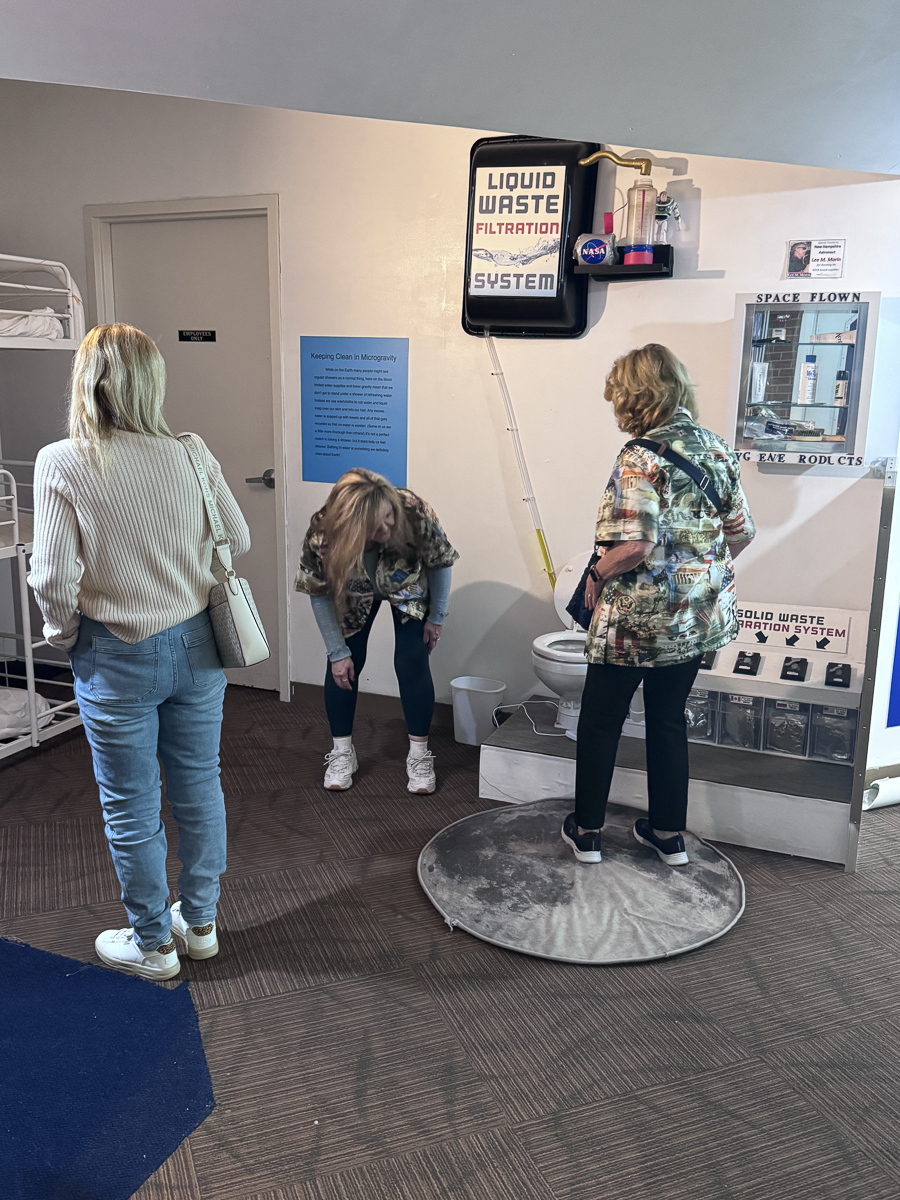
Robin asks, "How does this work?? "
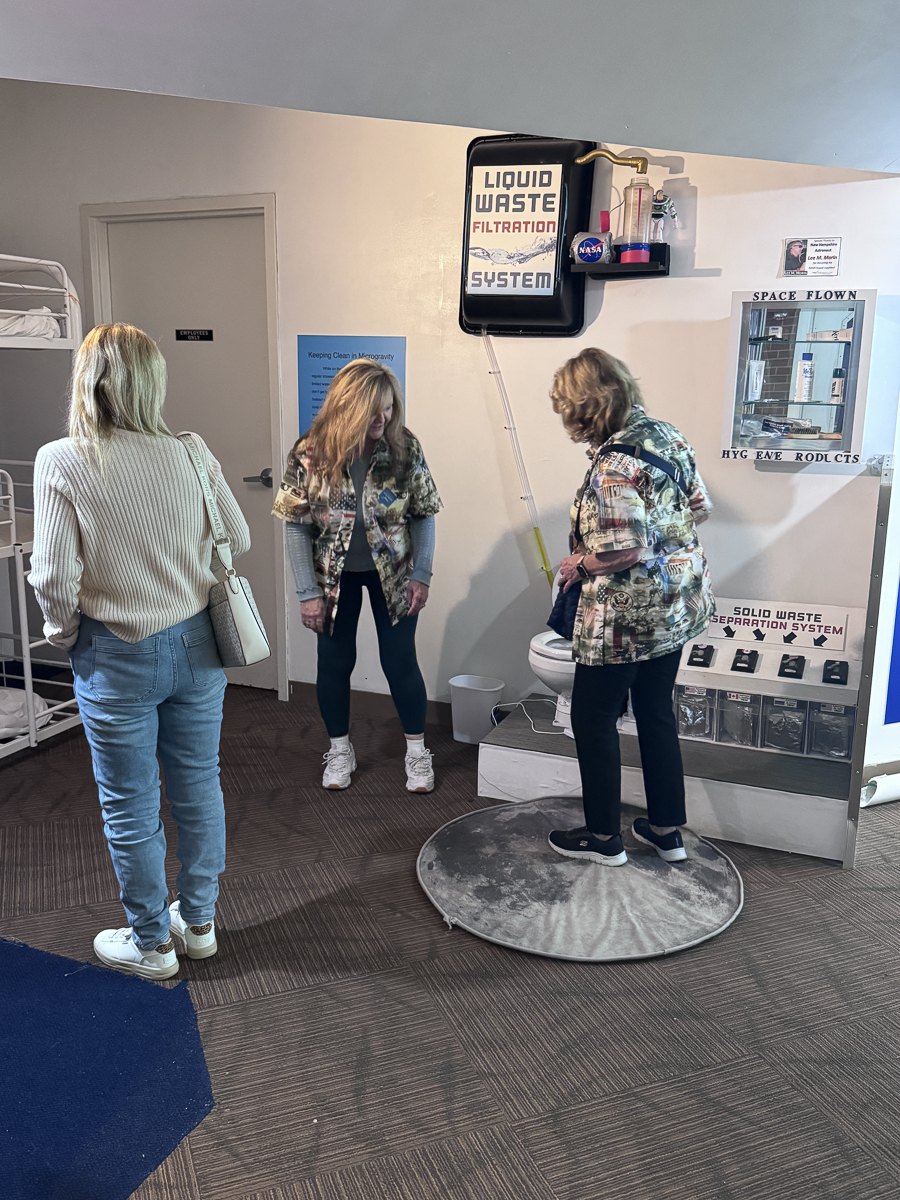
Mary's response, "Very simple!"
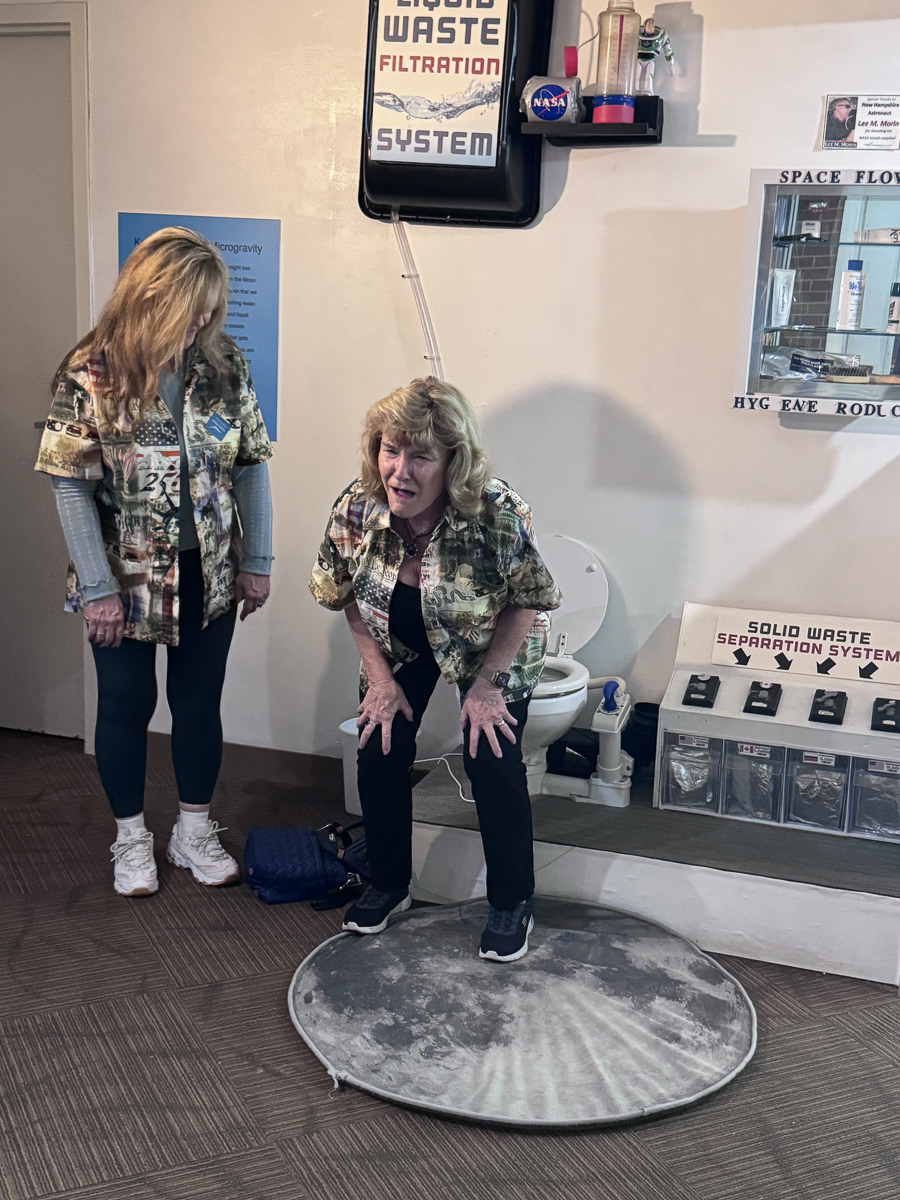
Mary tries it!!!
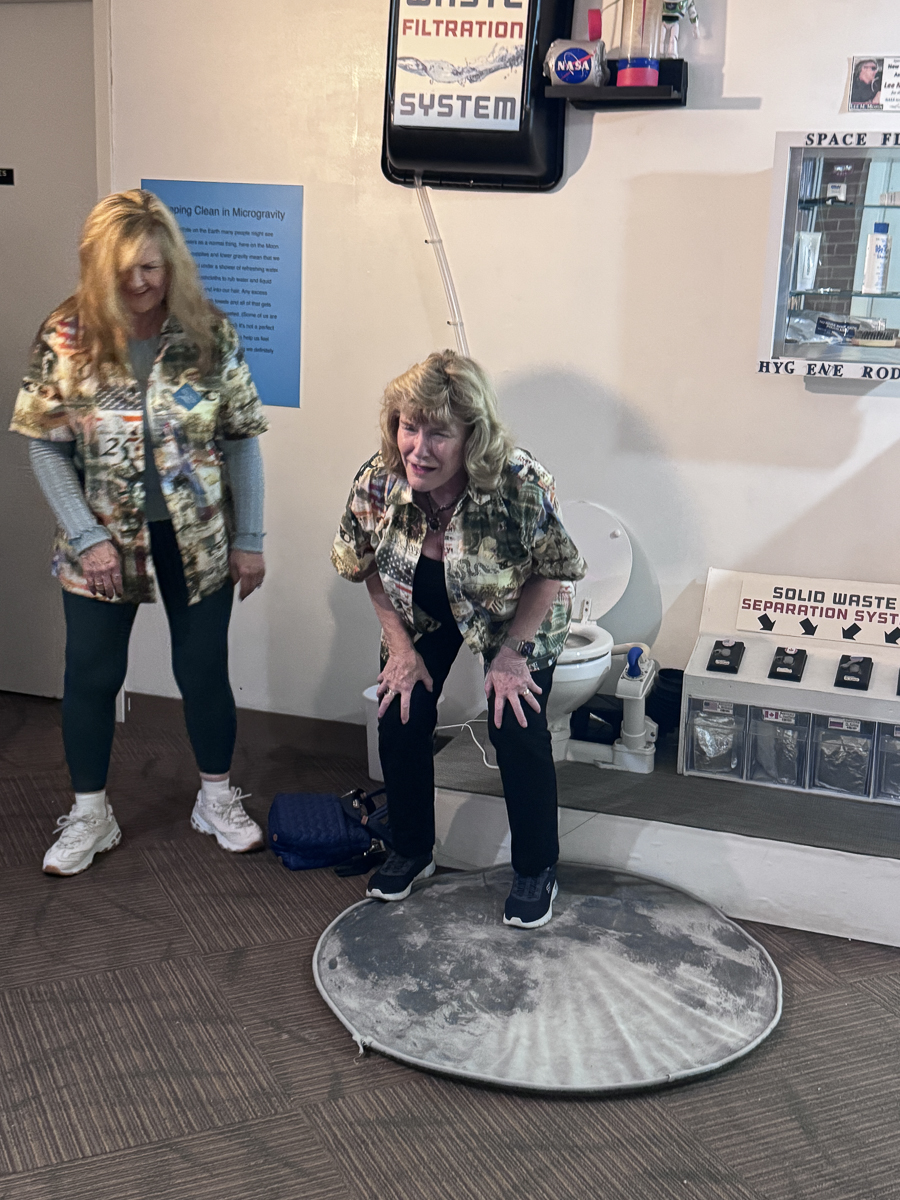
Not realizing it is a demonstration only!
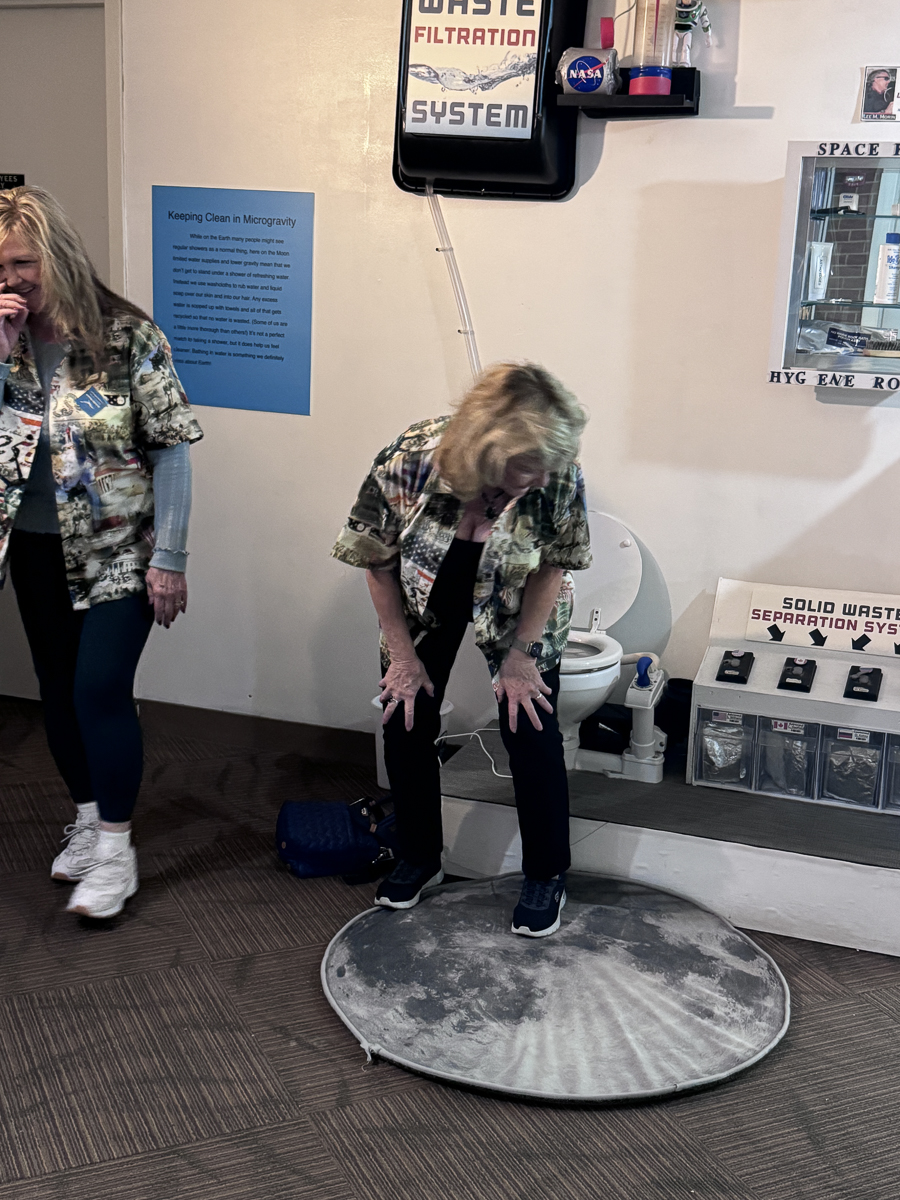
Now what???
The doctor is confused!
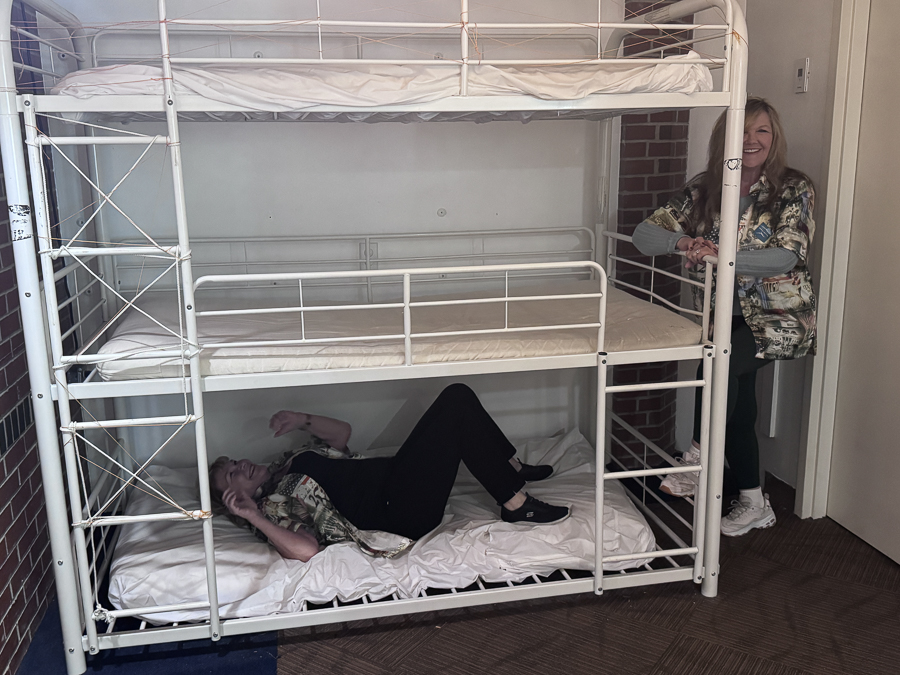
Mary takes a nap!
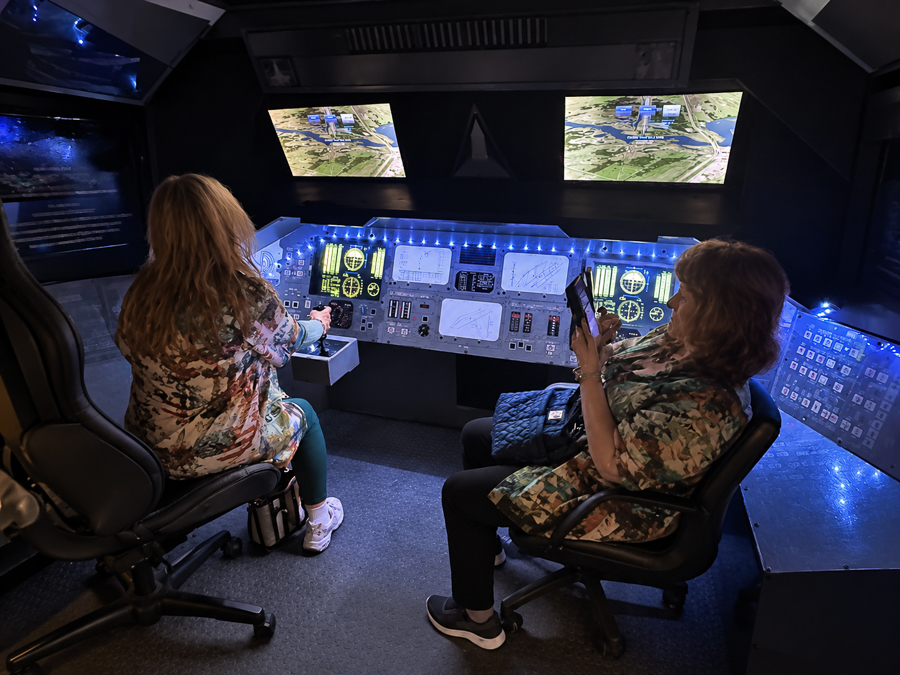
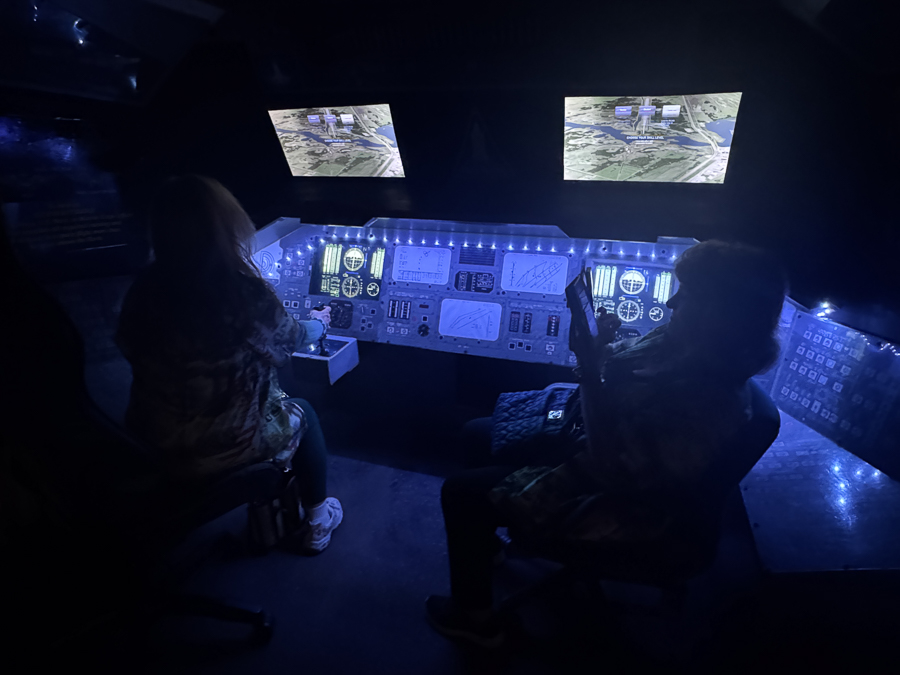
Captain Robin at the controls
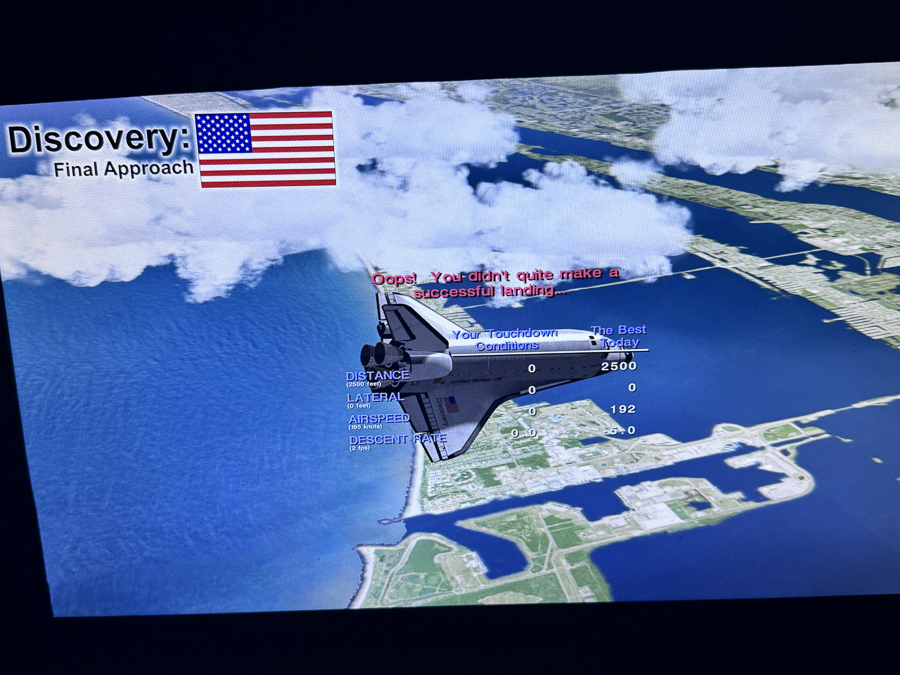

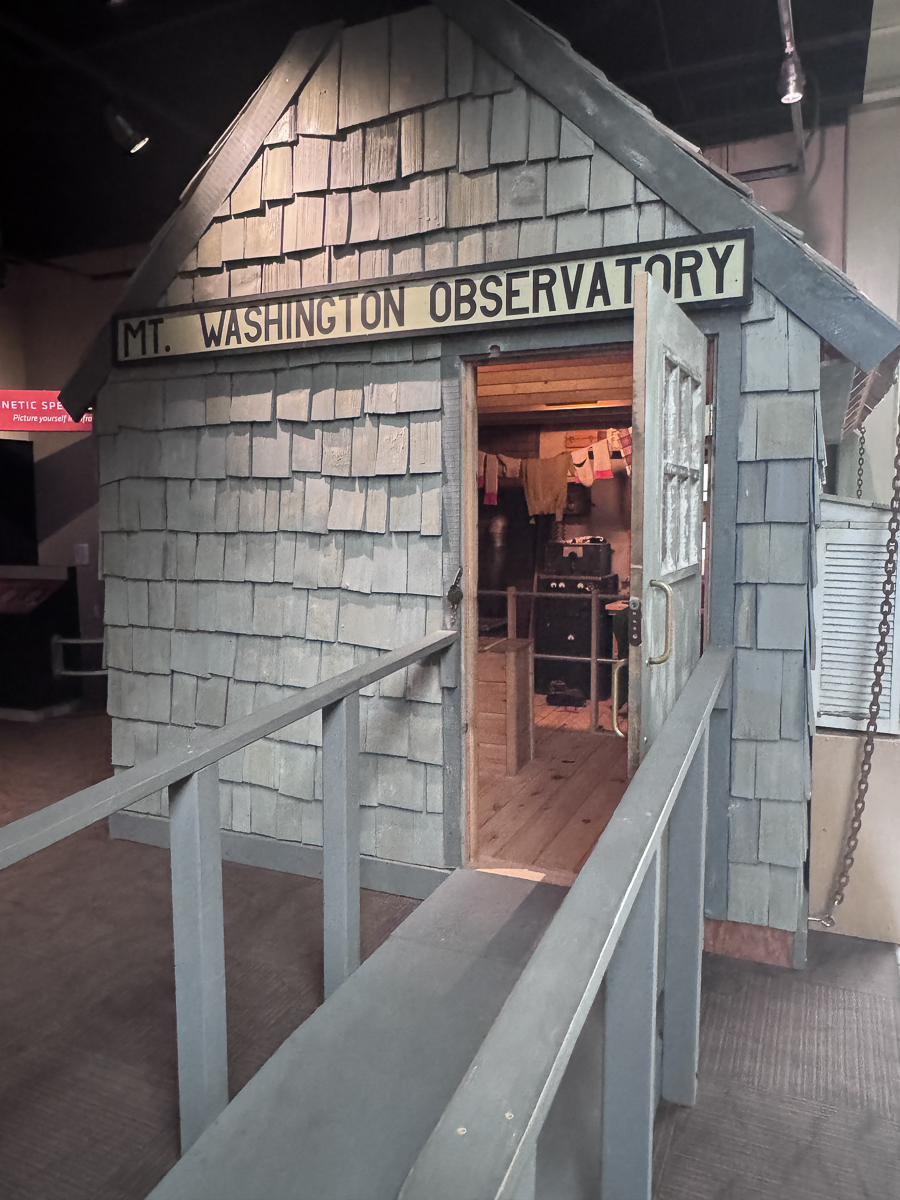
Mount Washington, in New Hampshire's White Mountains, is the highest peak in the northeastern United States, rising to 6,288 feet (1,917 meters). It's famous for rapidly changing, extreme weather and once recorded a surface wind gust of 231 mph (372 km/h) in 1934. Visitors can reach the summit by hiking, driving the Mount Washington Auto Road, or taking the historic Cog Railway. The summit also hosts a weather observatory and offers sweeping views on clear days.
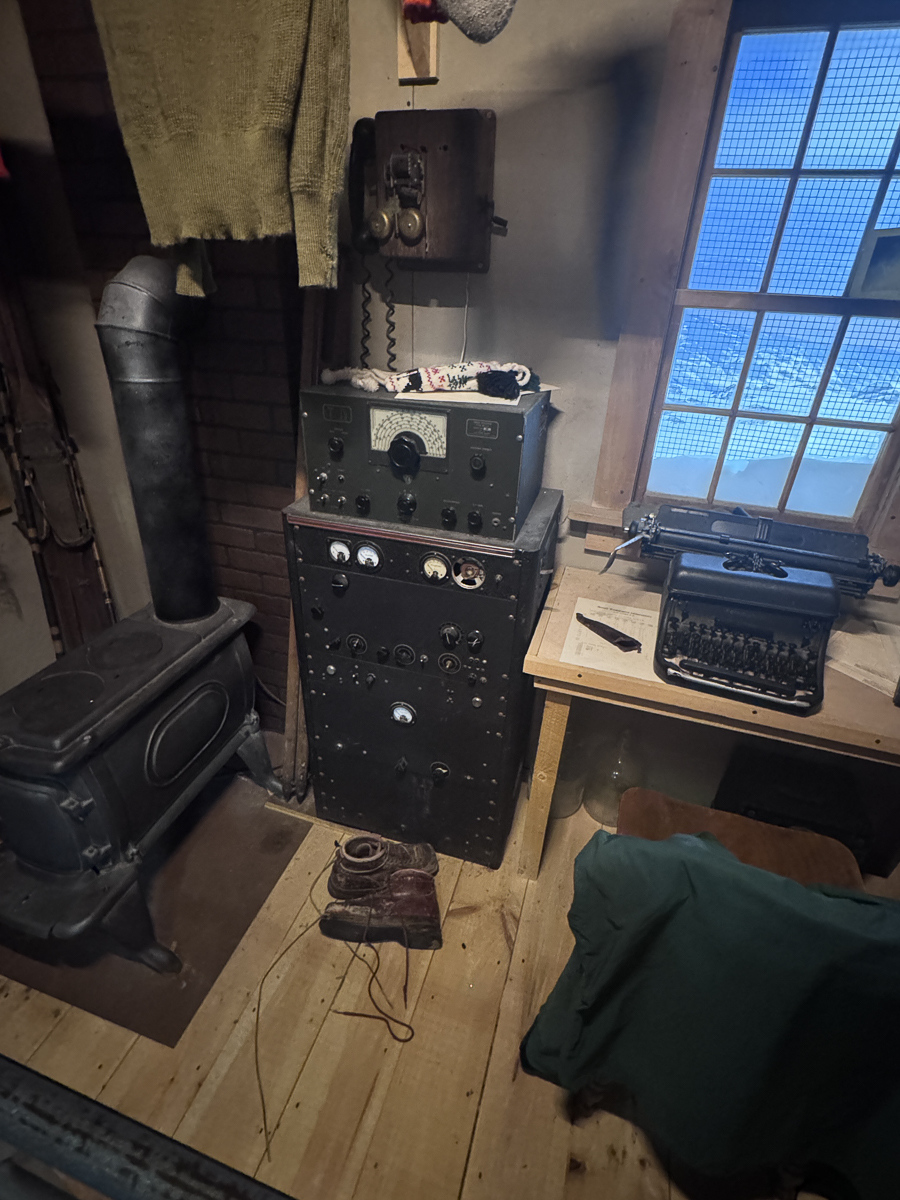
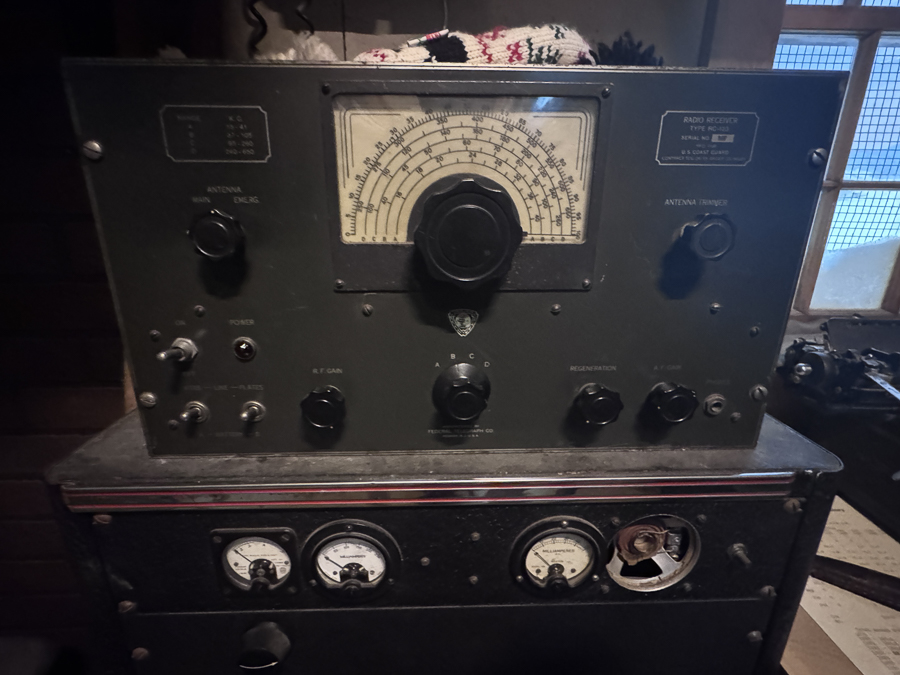
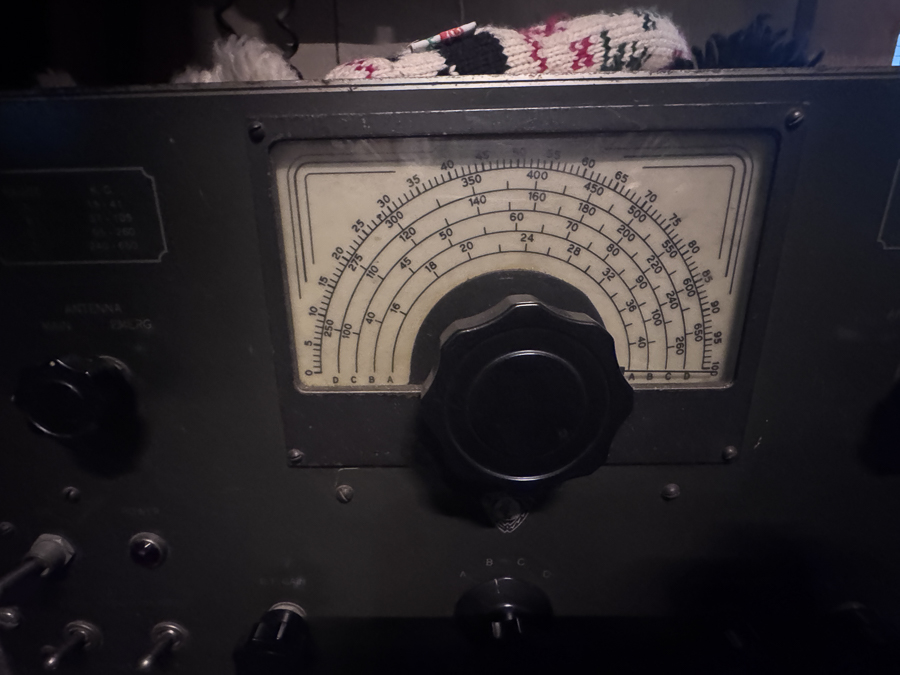
The actual radio equipment fomr the 1930s
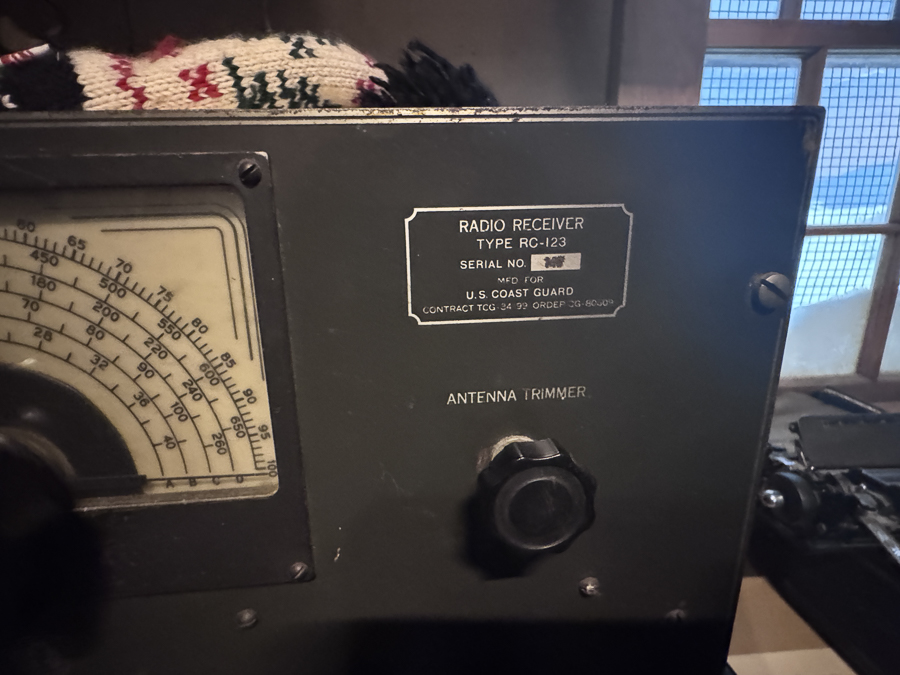
The RC-123 appears to be a U.S. Coast Guard radio-receiver designation, but reliable public documentation identifying its maker, date, or technical specifications is scarce. I can't confidently give its frequency range or say exactly which Coast Guard stations or vessels used it without seeing the equipment's data plate.
If your set is marked "Radio Receiver RC-123" and "U.S. Coast Guard," it was likely government communications equipment—not an ordinary home radio. The RC-123 is the equipment designation; the maker, contract number, and other markings on the plate may help date and identify the specific unit.
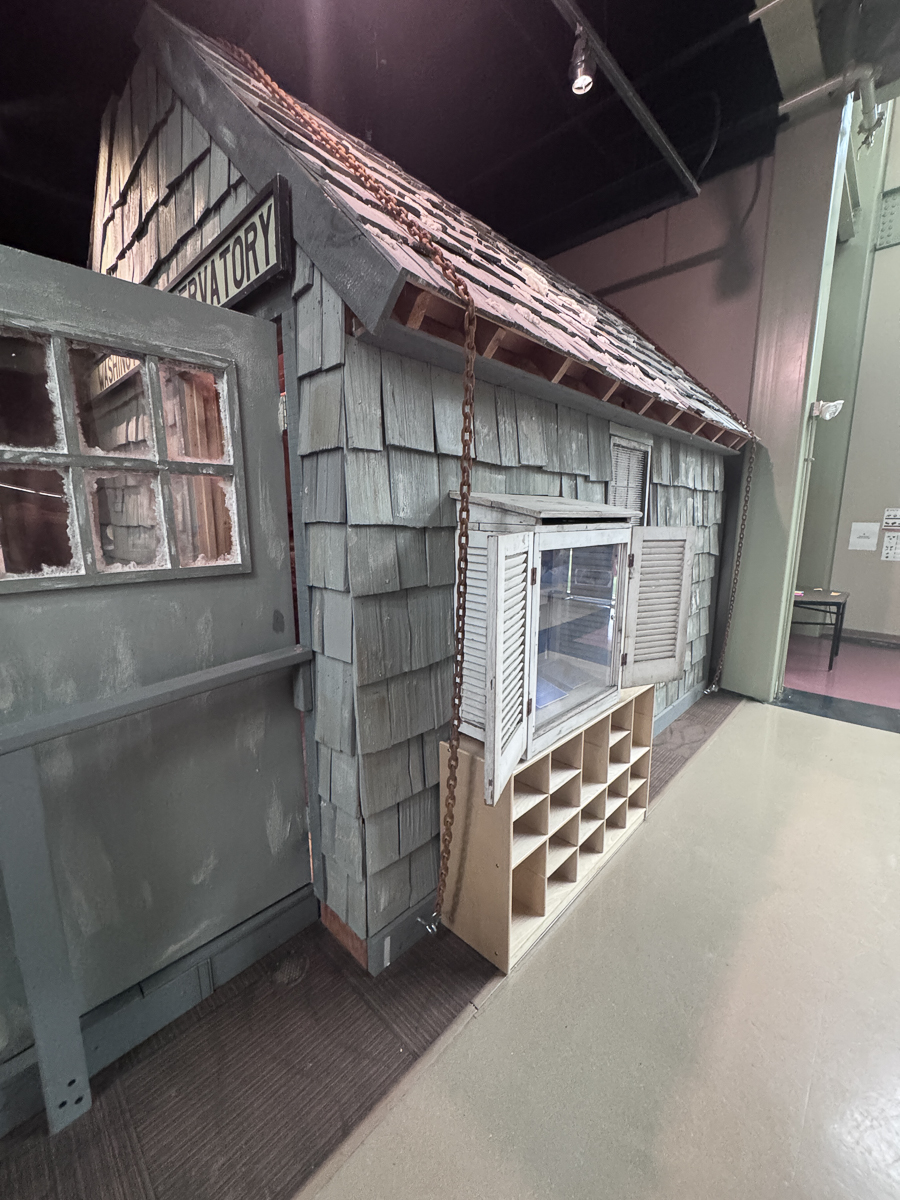
The cabin was chained down to prevent it from blowing away.
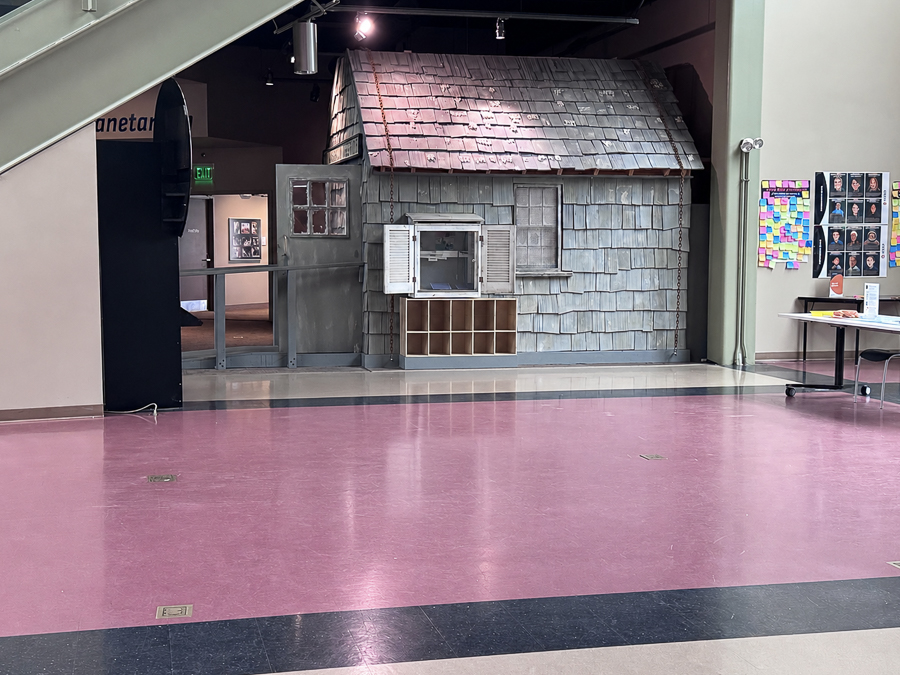
The mountain is a popular destination for hiking, sightseeing, and skiing nearby. Visitors can reach the summit by hiking, driving the Mount Washington Auto Road, or taking the Cog Railway. It is also home to the Mount Washington Observatory, which studies weather and climate conditions.
The shack had to be bolted to the rocks for fear it would be blown away! At an isolated weather station like Mount Washington, radios were used to:
- receive weather reports and forecasts
- monitor time signals
- communicate with other stations
- receive emergency or aviation/weather-related transmissions
- support operations when phone lines were unreliable
The RC-123 receiver was a receive-only radio, probably for AM/CW or shortwave-style communications, depending on its exact design. It likely required separate transmitting equipment for two-way radio communication.
231 mph / 372 km/h
Mount Washington Observatory, New Hampshire, USA
April 12, 1934
Mount Washington held the world record for decades and is still often cited for having some of the most extreme weather ever directly observed by people.
Amazing!
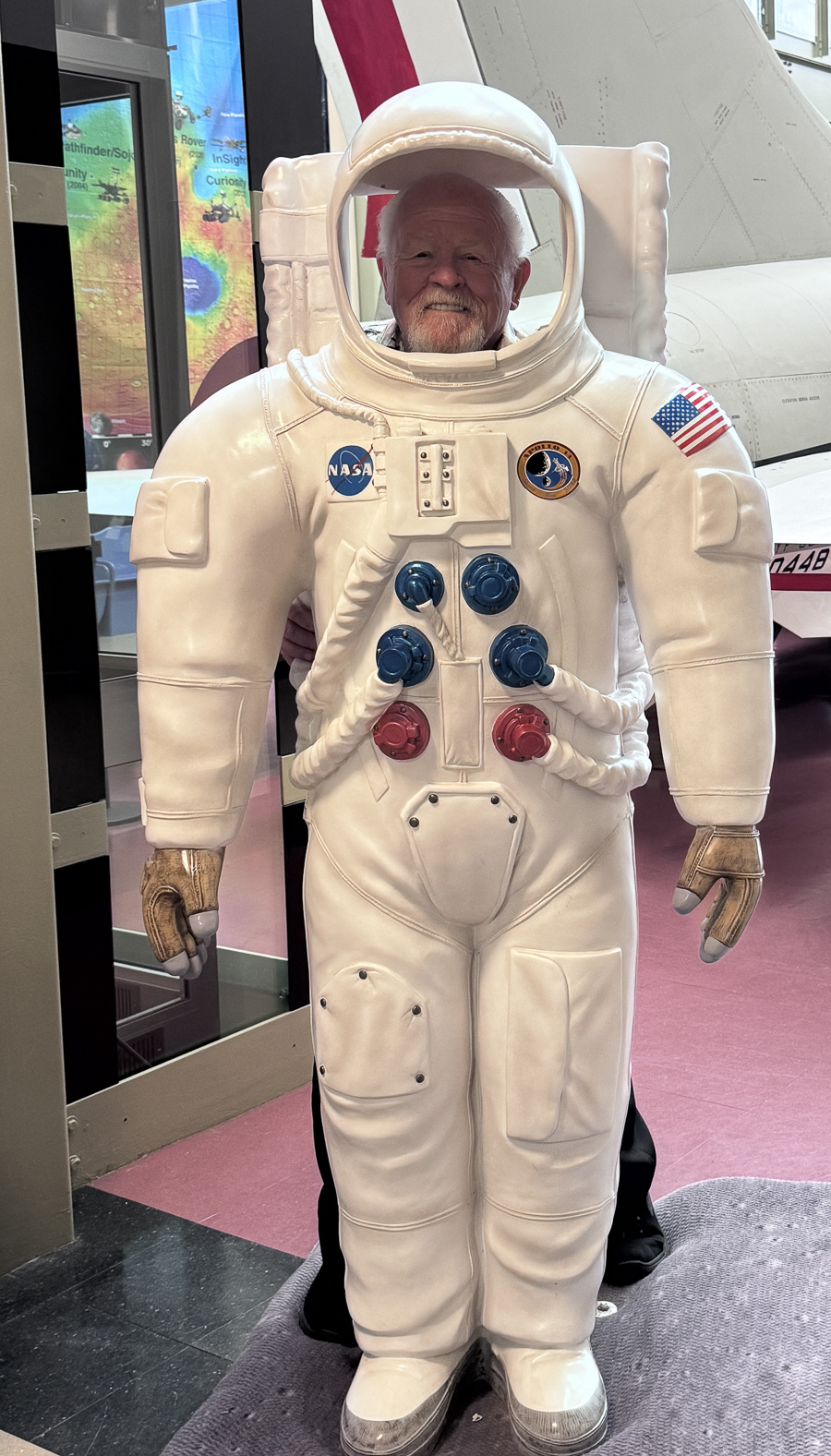
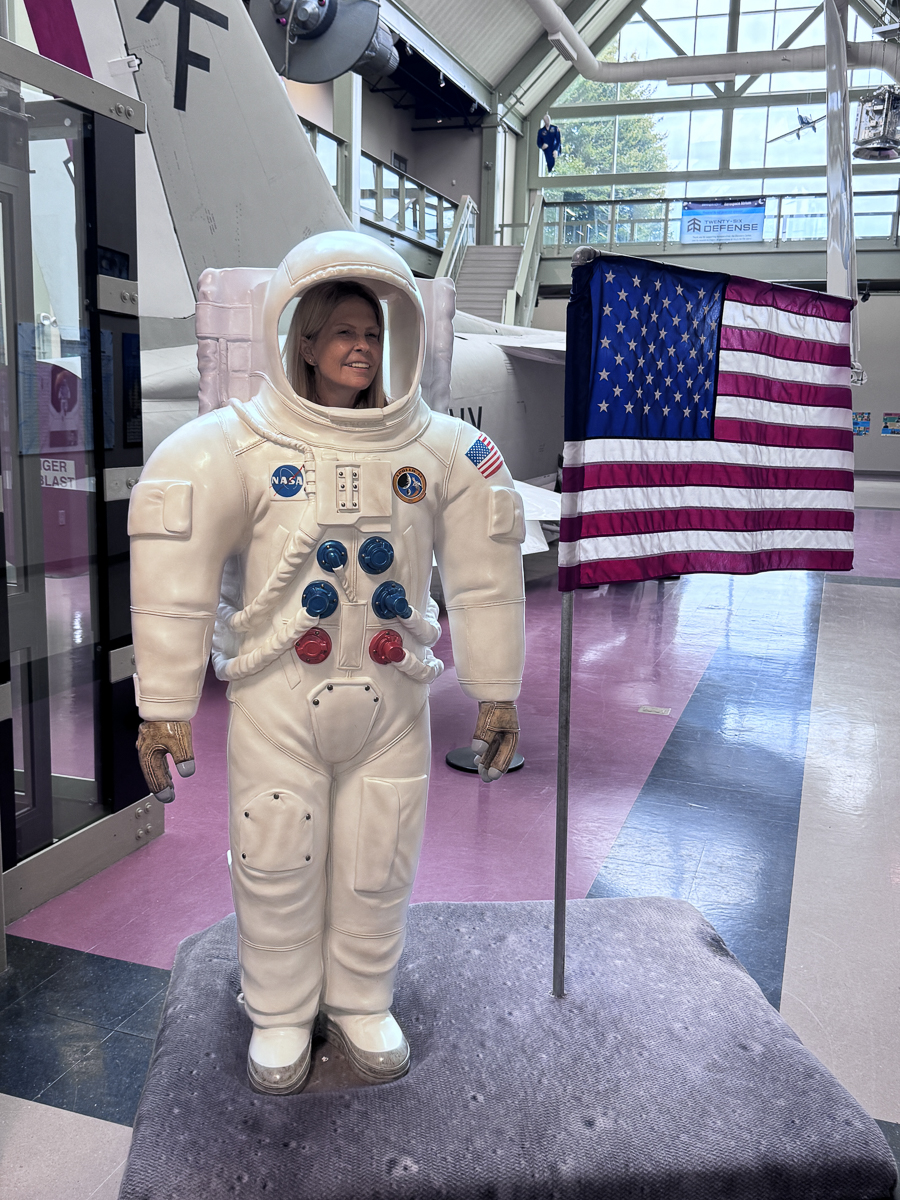
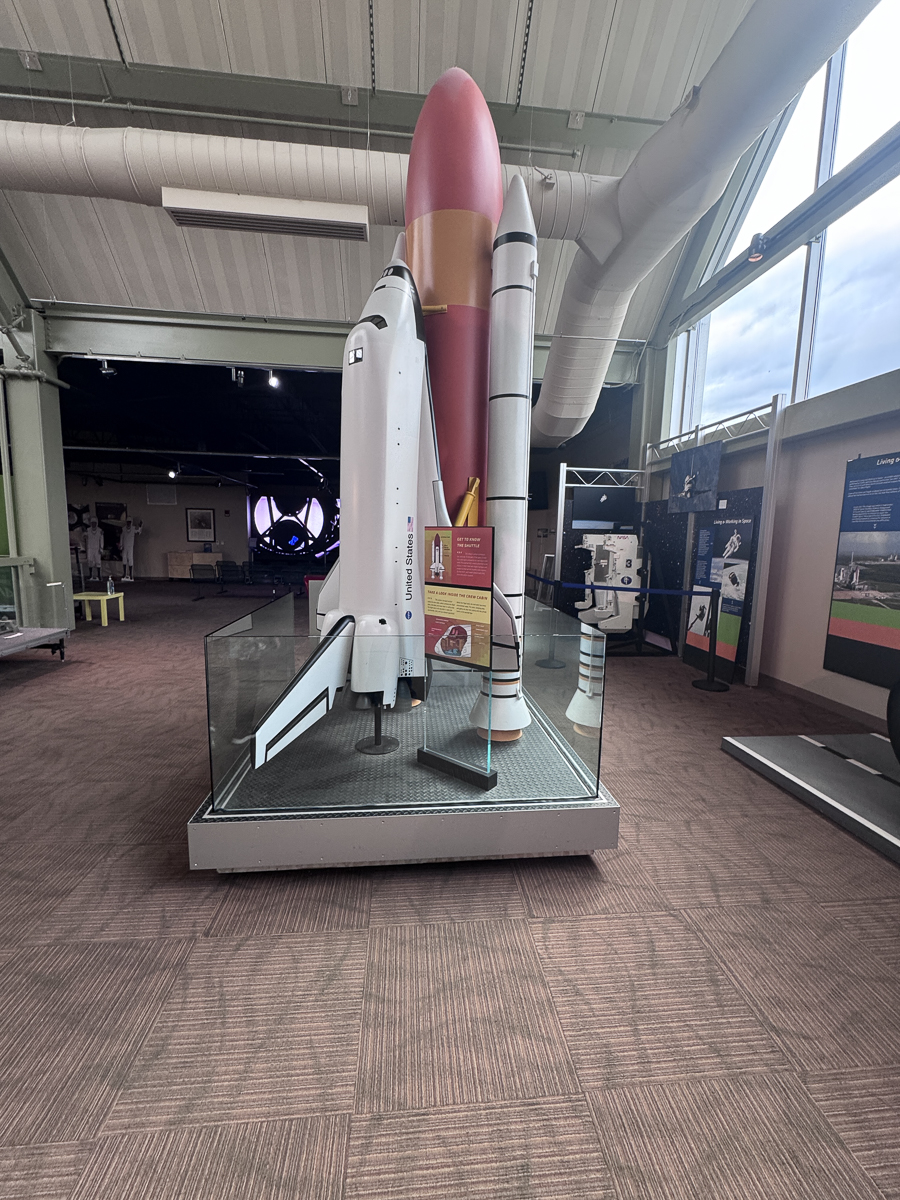
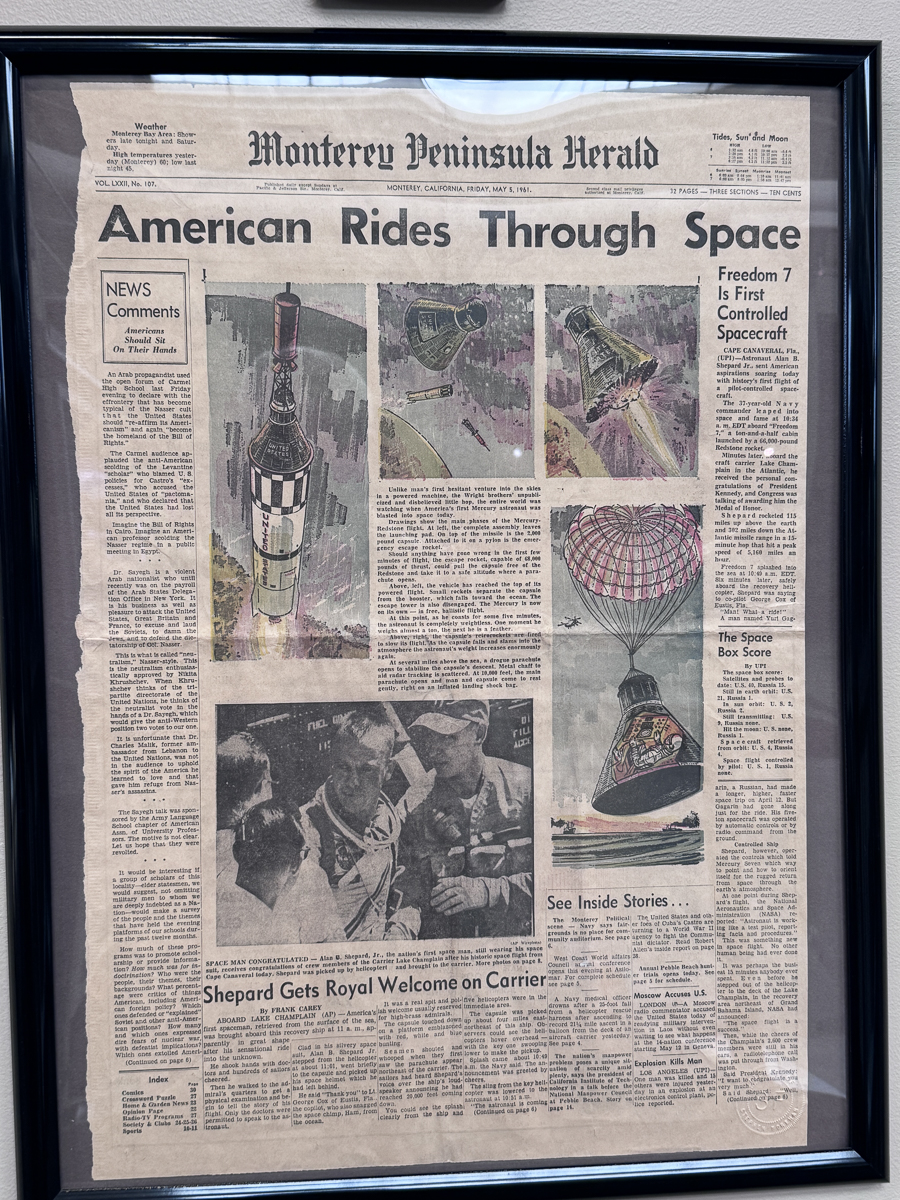
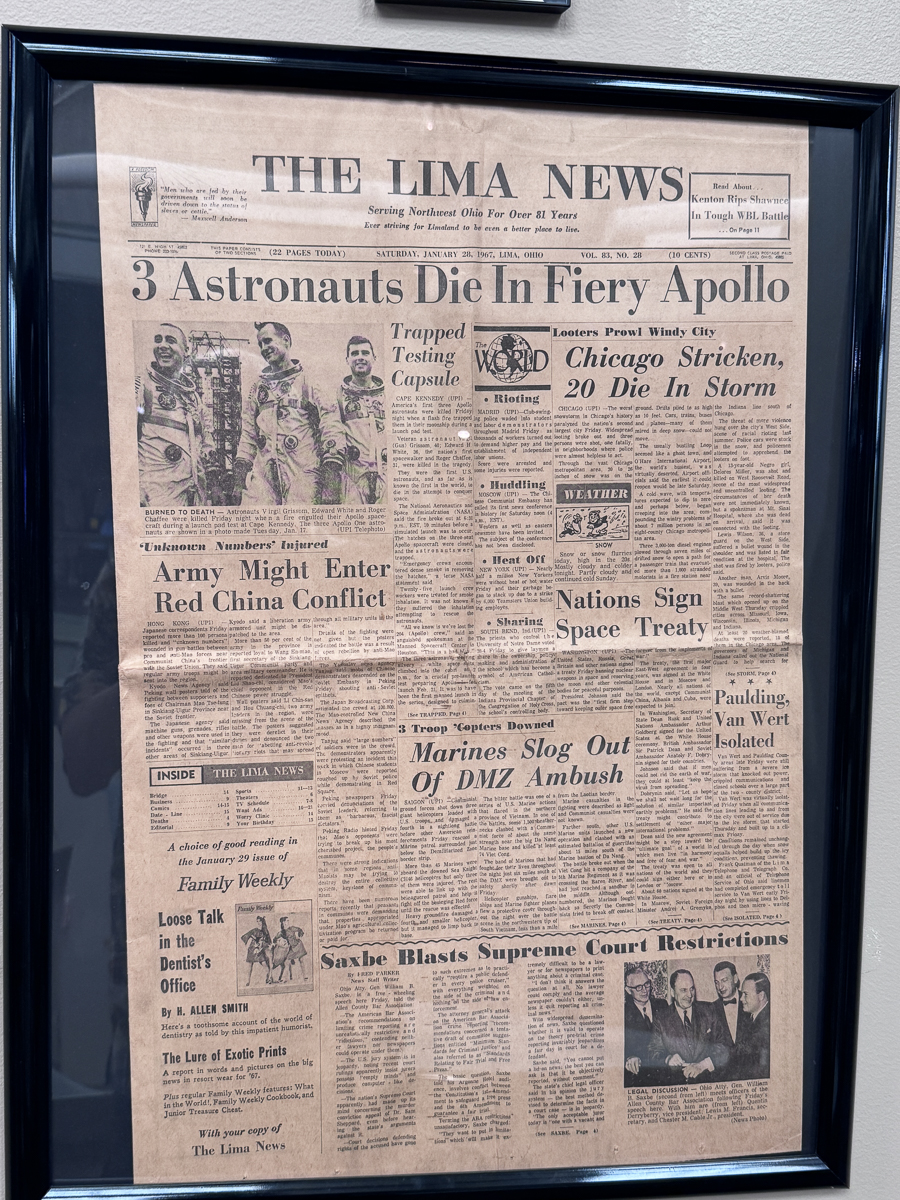
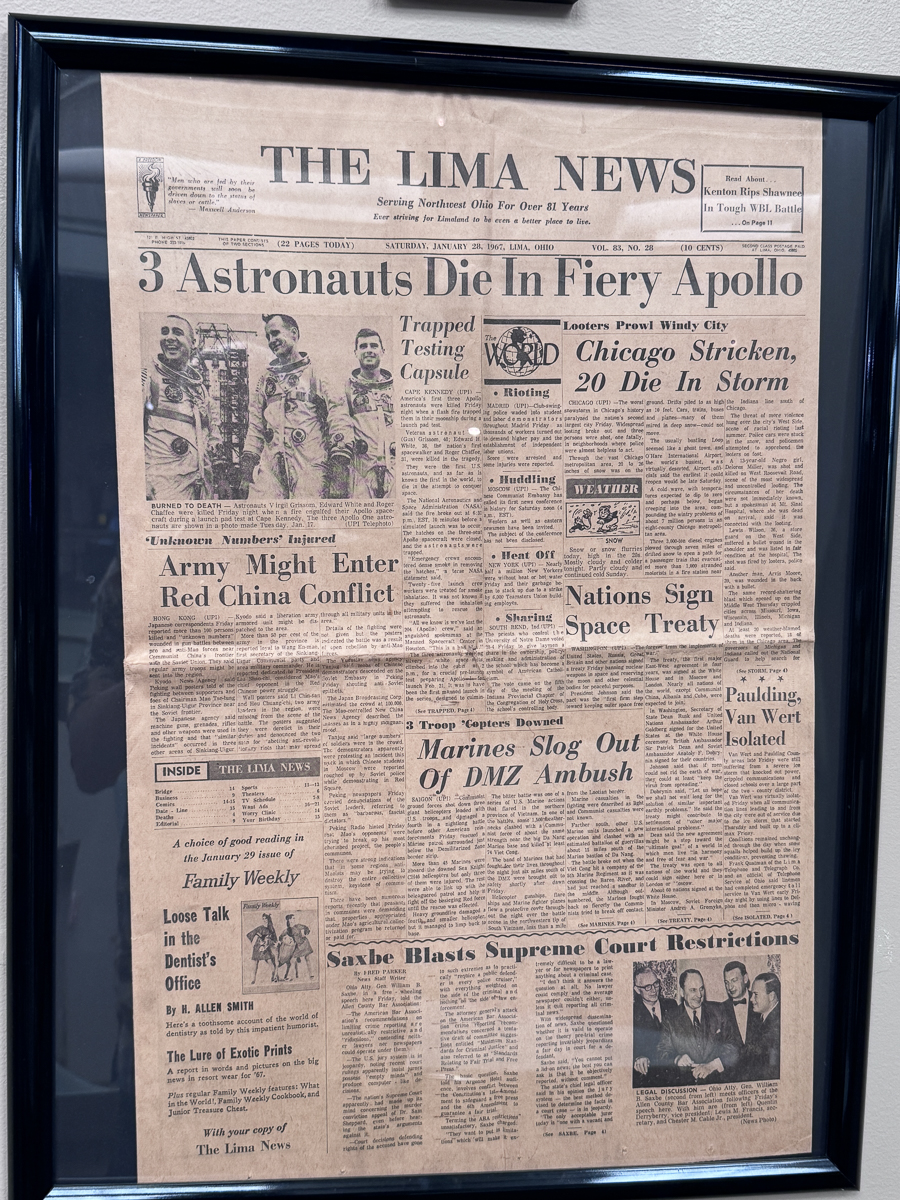
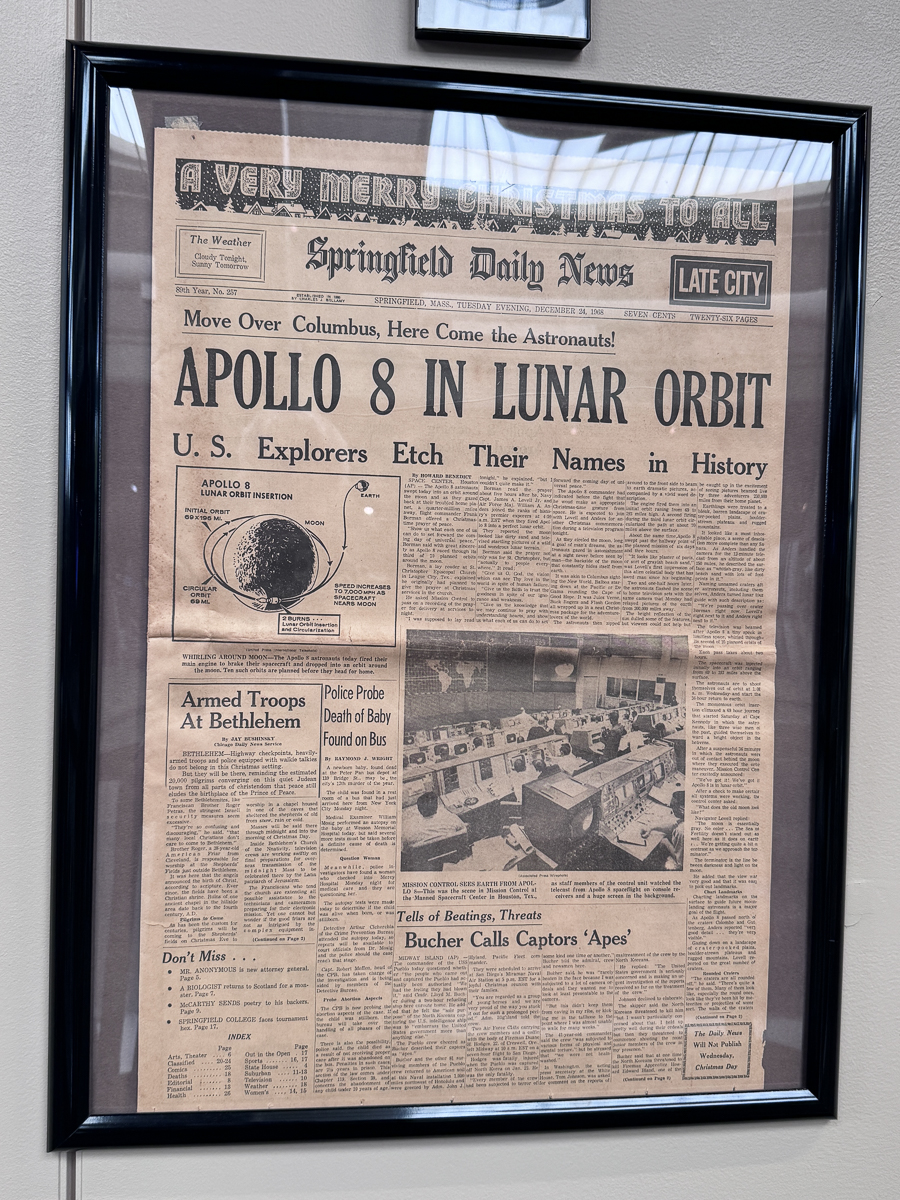
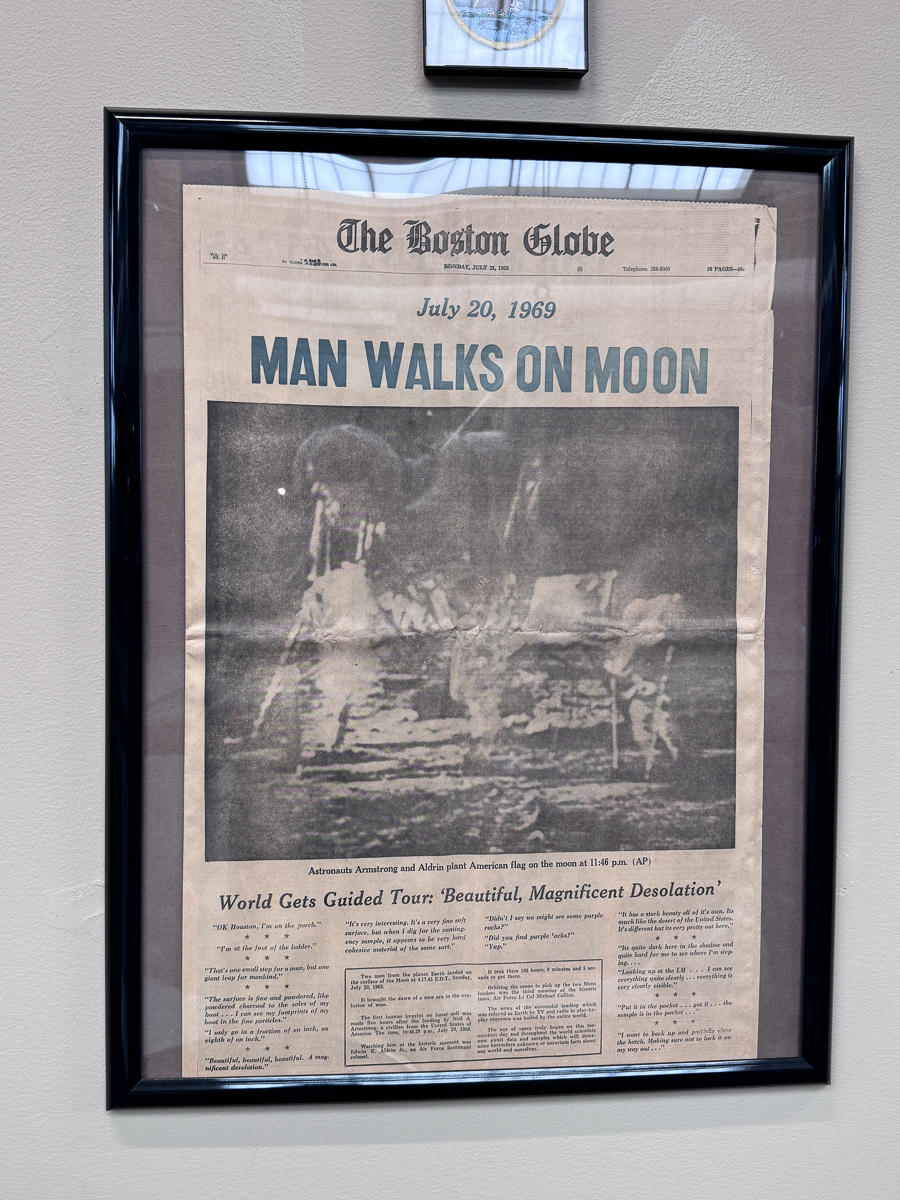
Brings back old memories
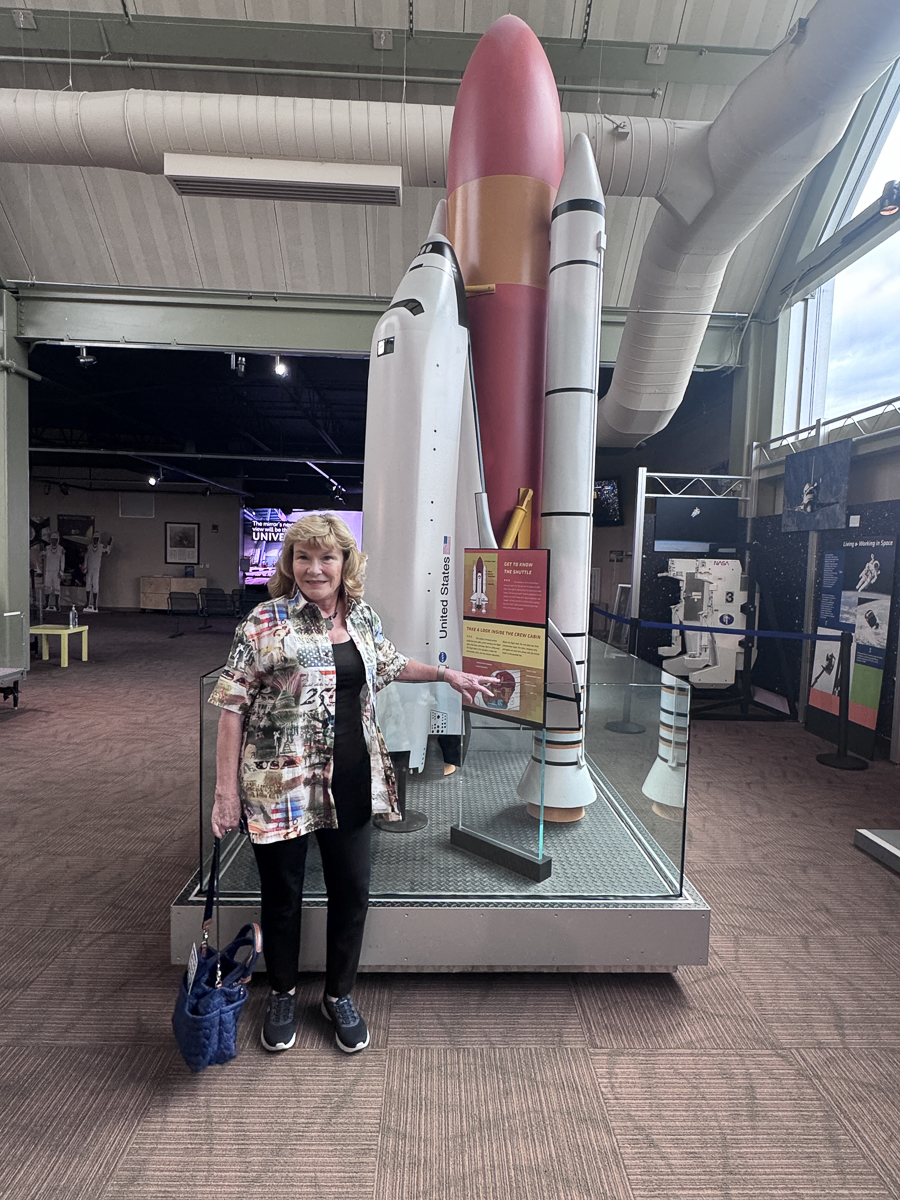





Colleen and Robin
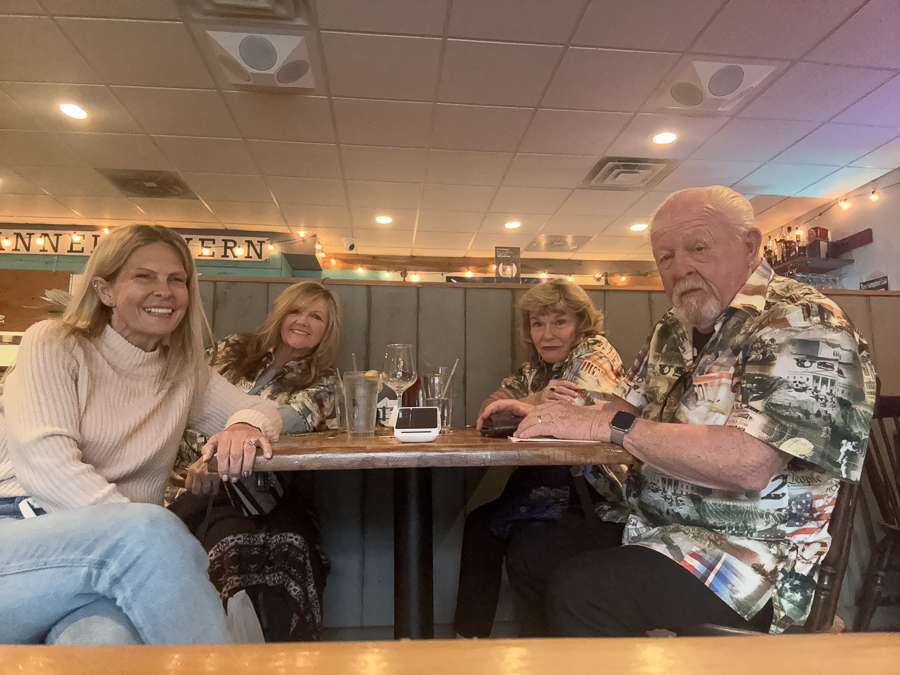
Colleen, Robin. Mary, and Paul



Paul and Mary picking apples!