Day 7 - 9/30/2026 - Chasing The Boogie Man In Salem! (Daily Diary)
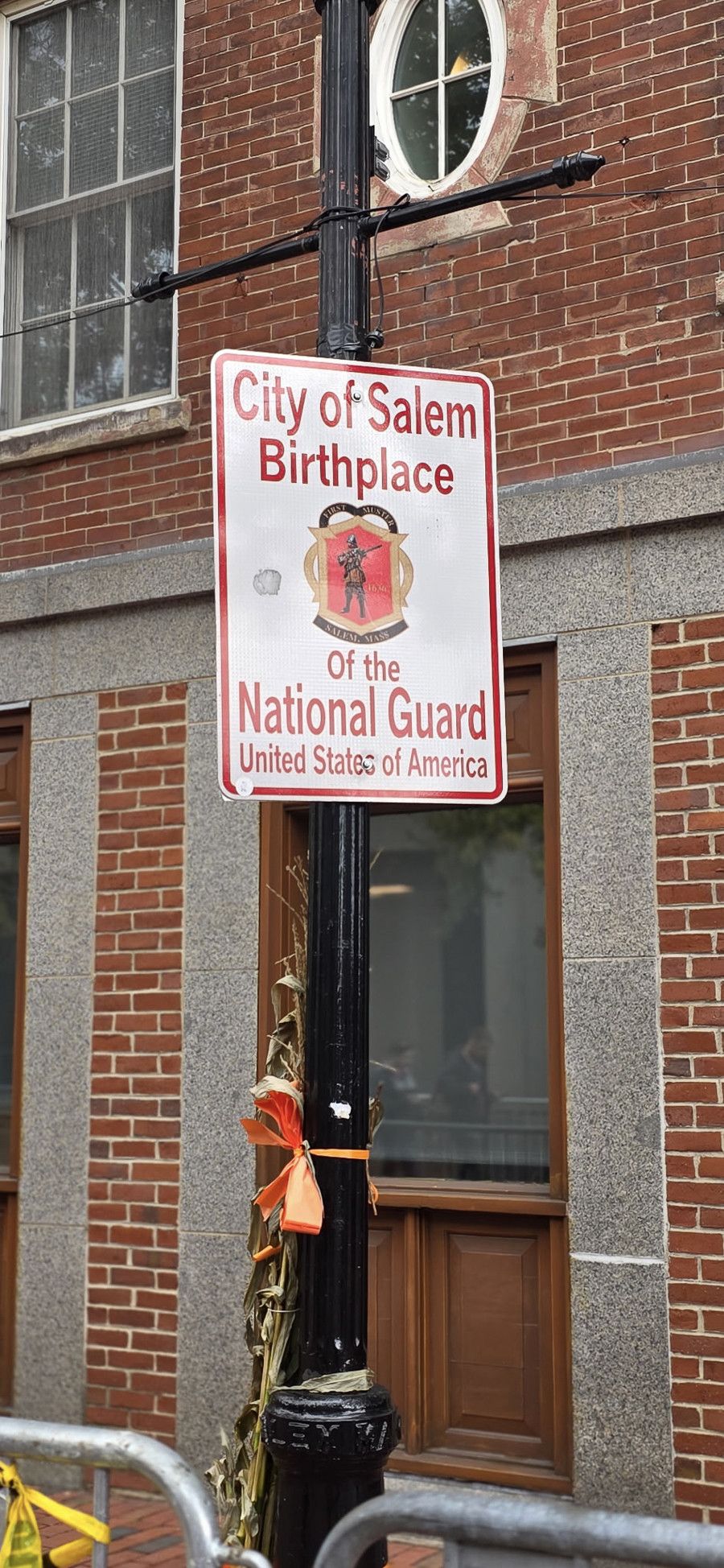
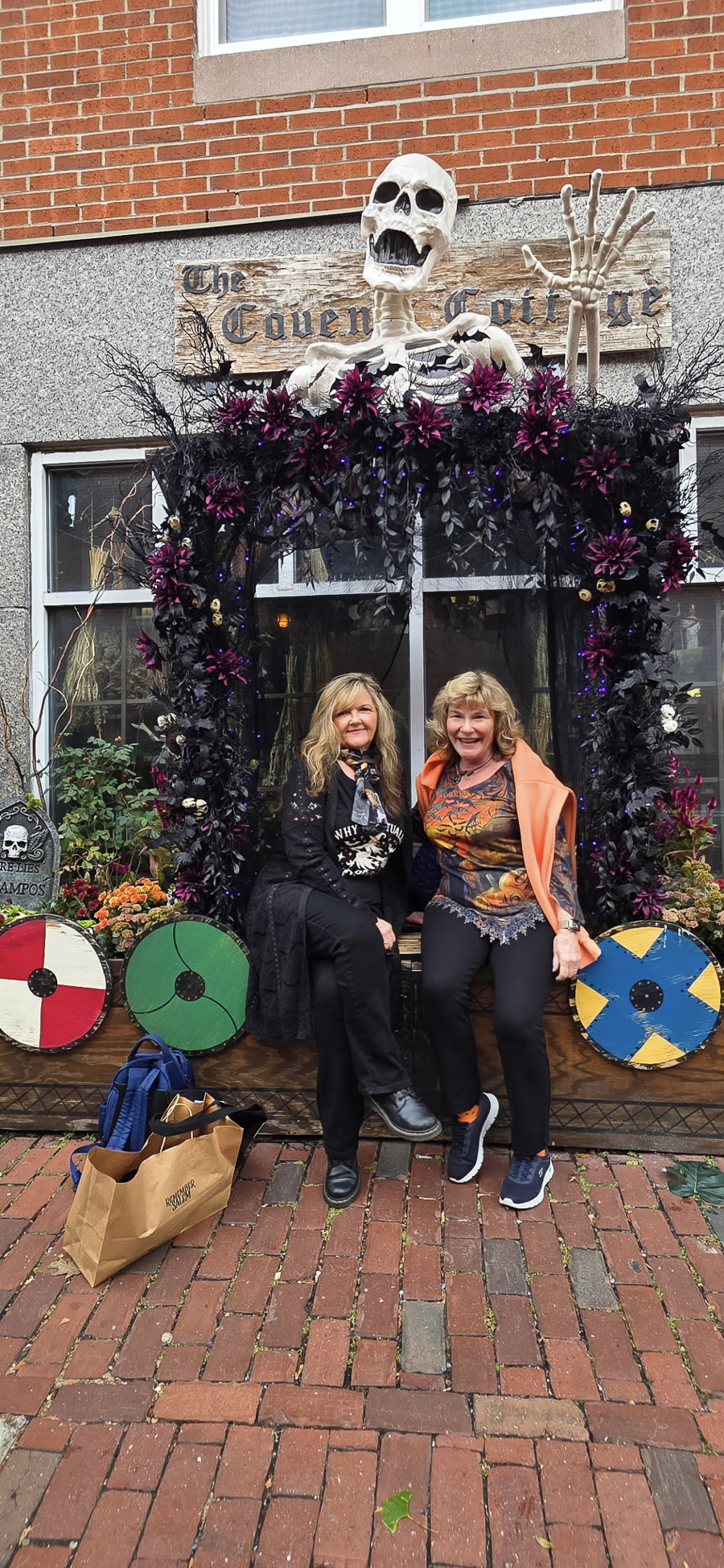
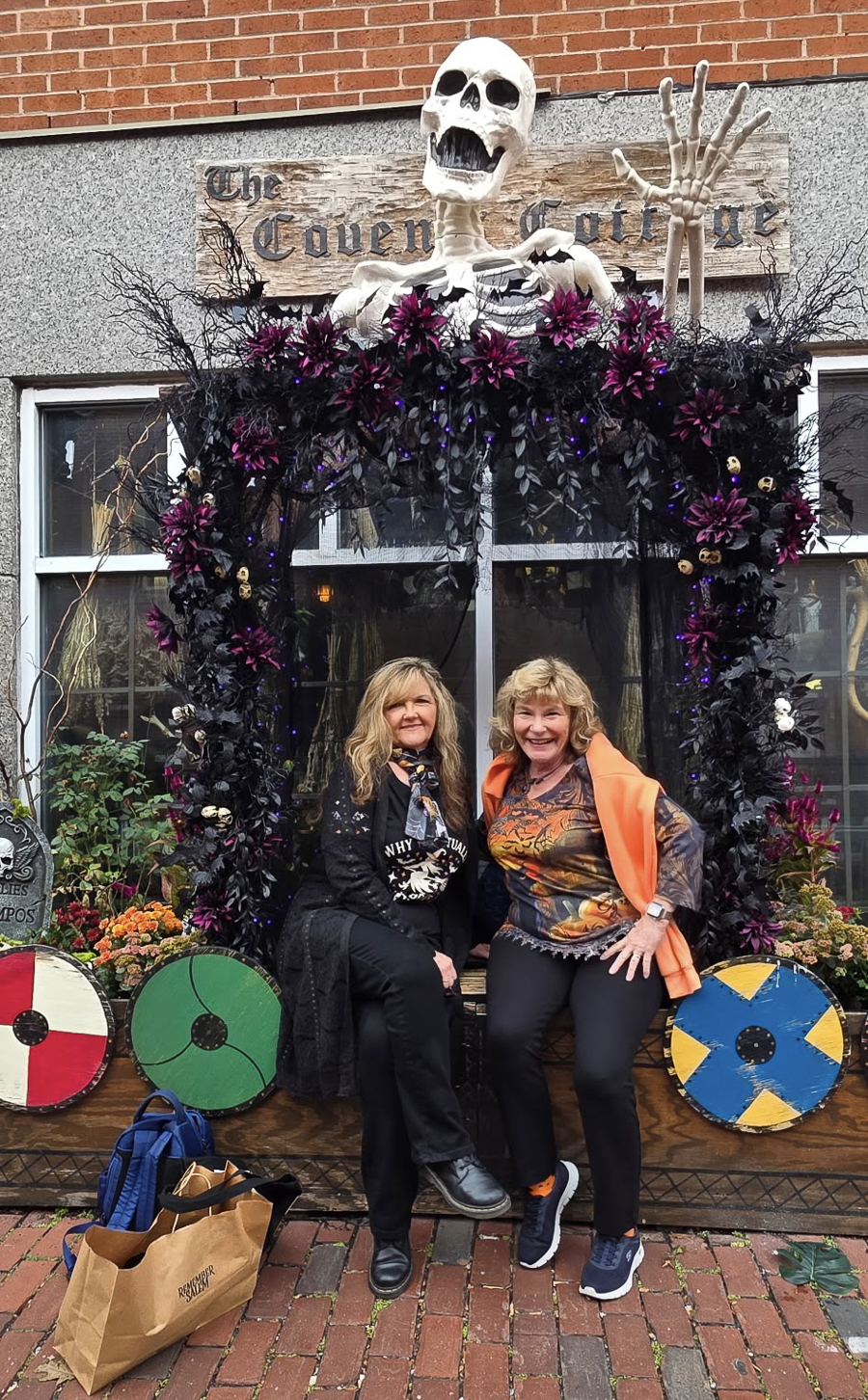
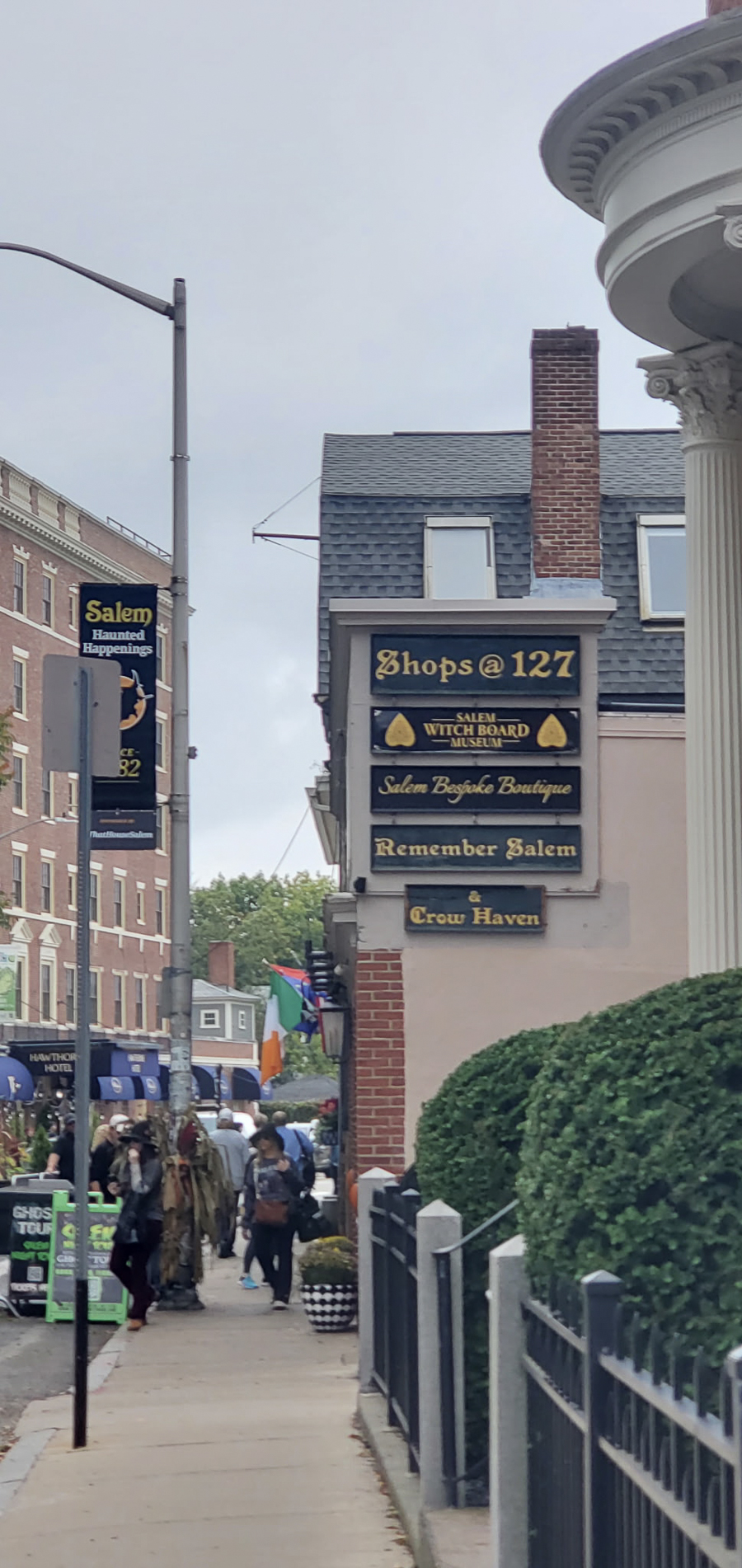
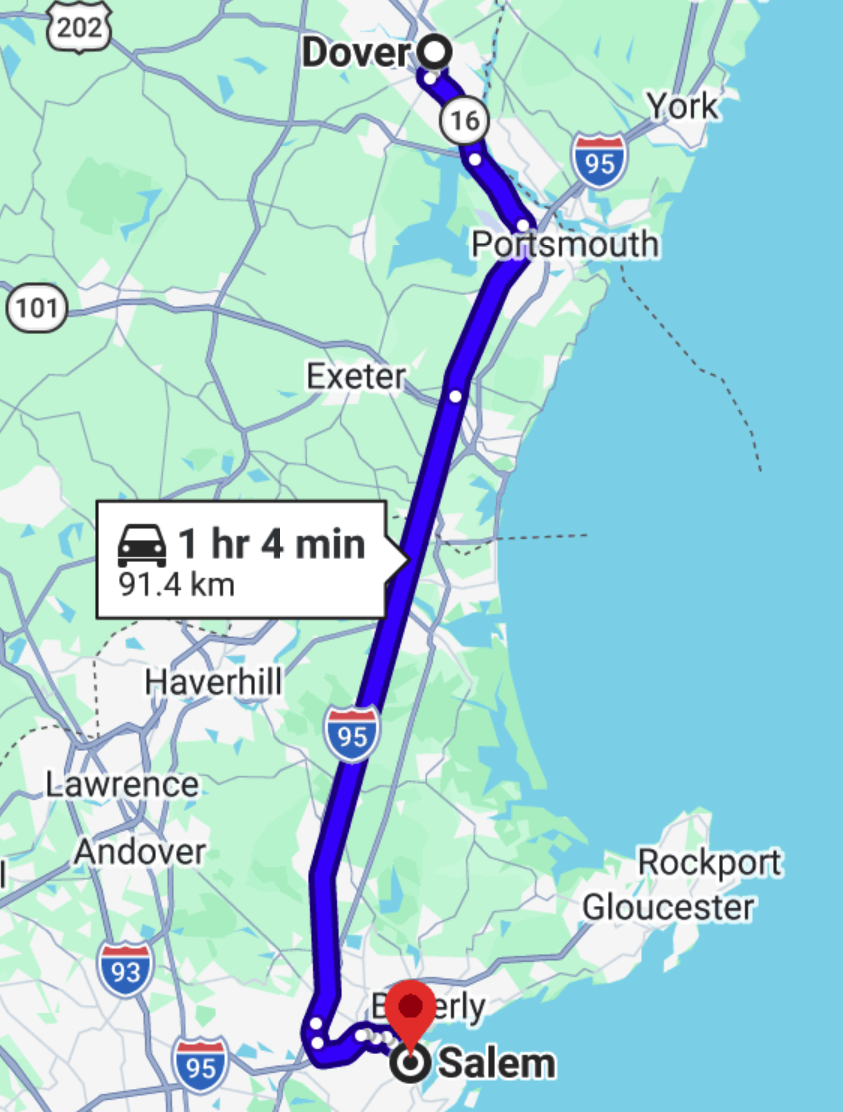
We are off to Salem to get scared!! Salem, Massachusetts, is a historic coastal city north of Boston, best known for the Salem Witch Trials of 1692, when fear and accusations led to the execution of 20 people. Today, Salem is a popular tourist destination with museums, historic homes, waterfront areas, and a strong focus on Halloween and witch-trial history.


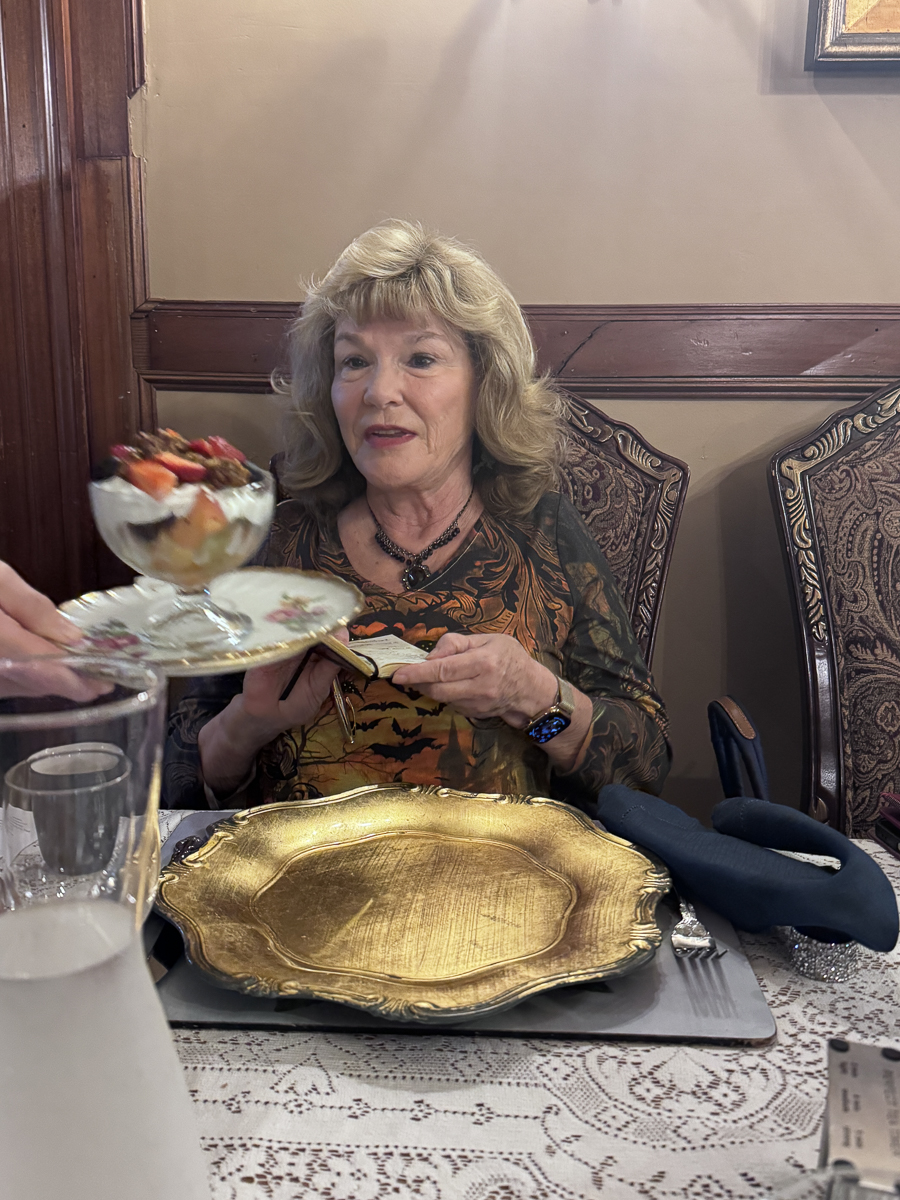
Mary's third helping!
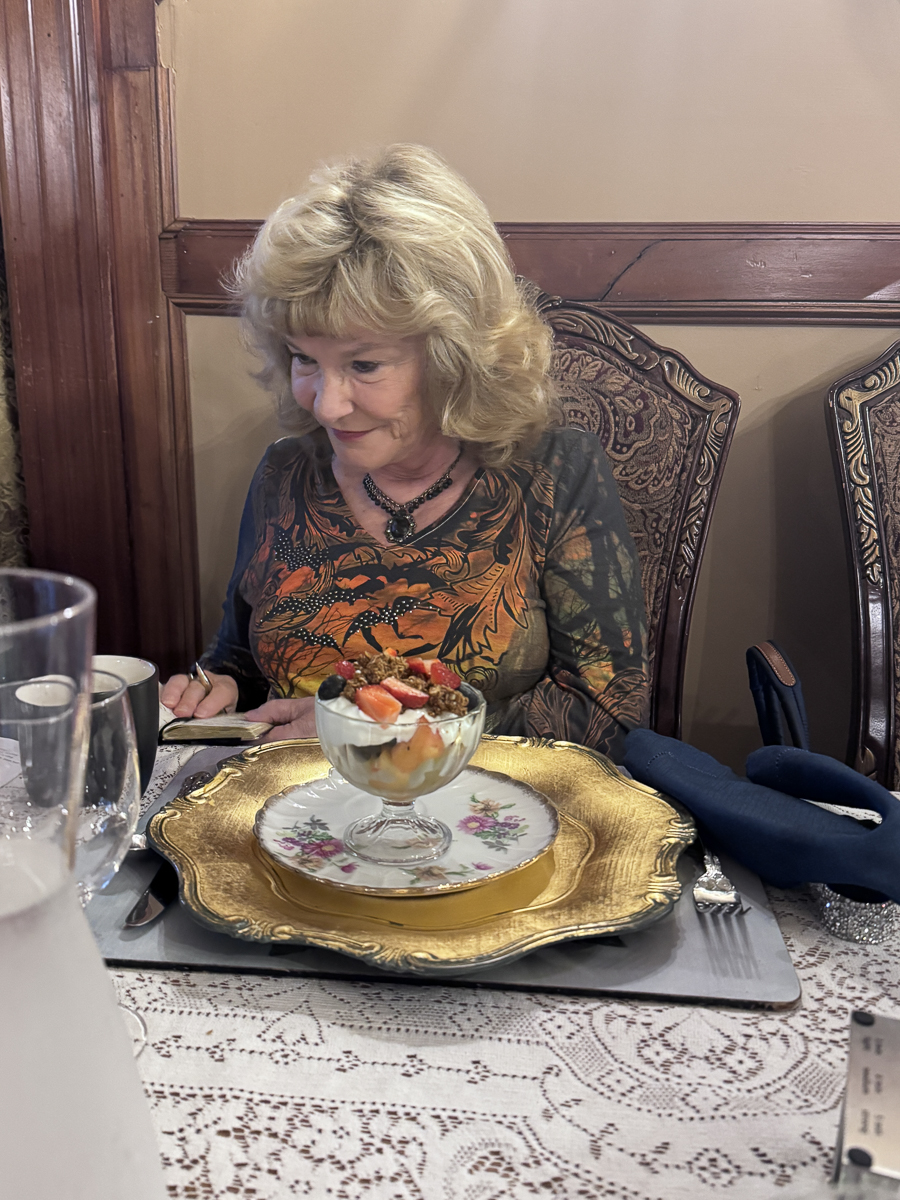
Planning the day in the Book Of Knowledge!
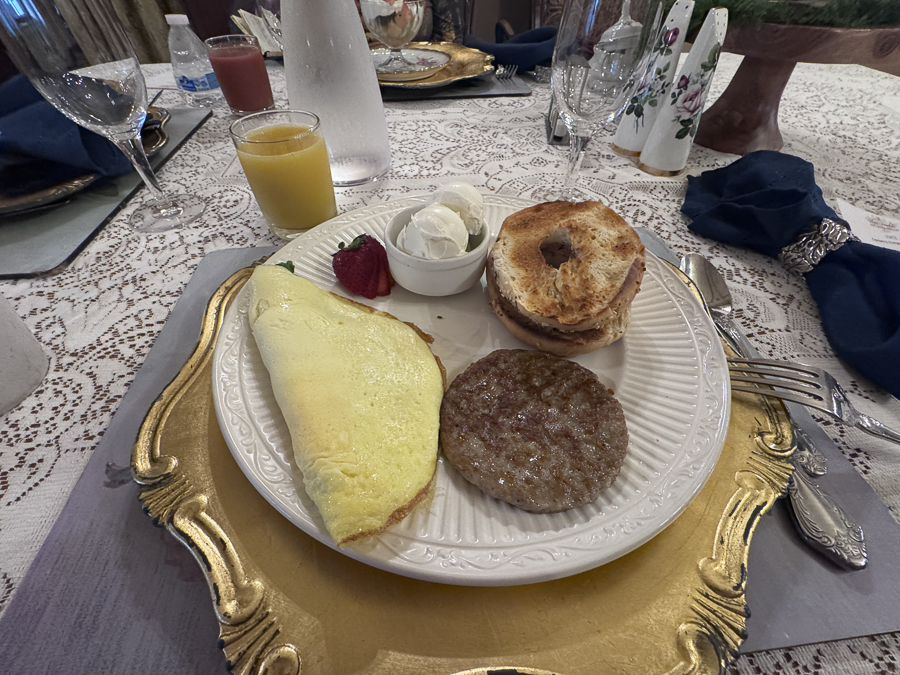
We will be ready soon!

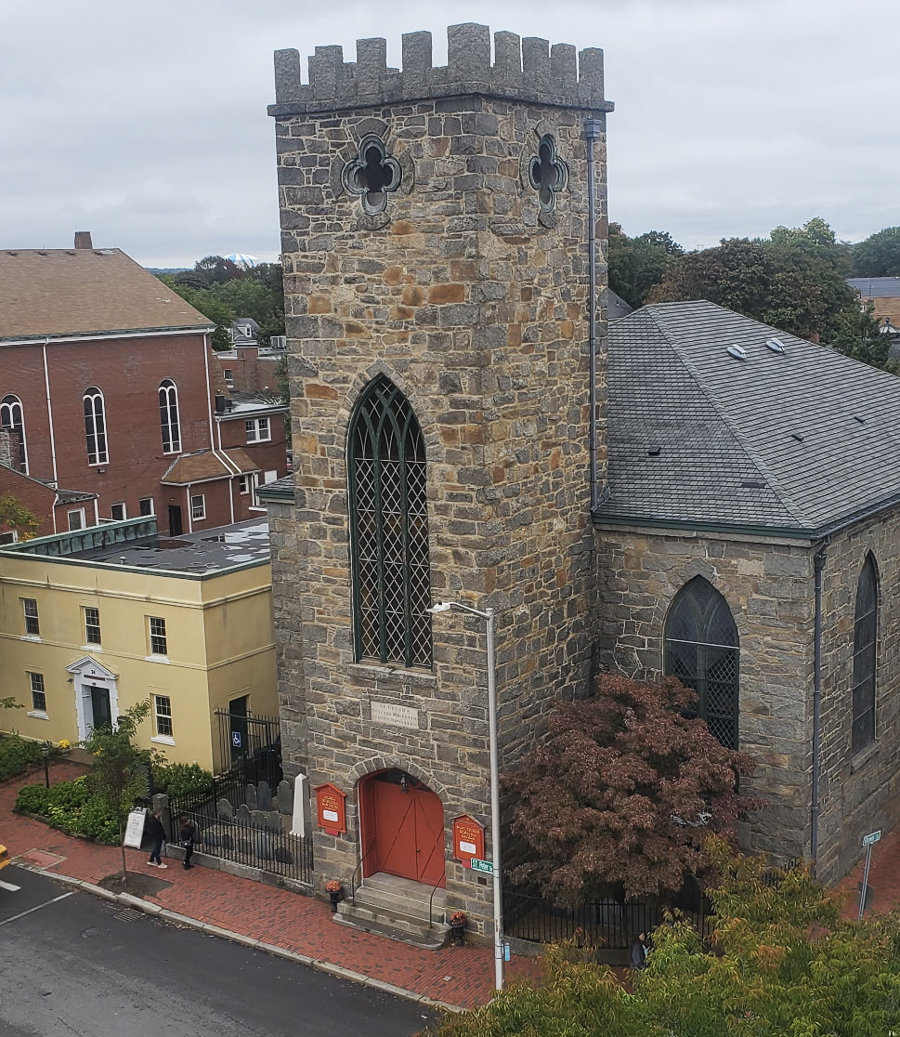
From the fifth floor of the parking structure!
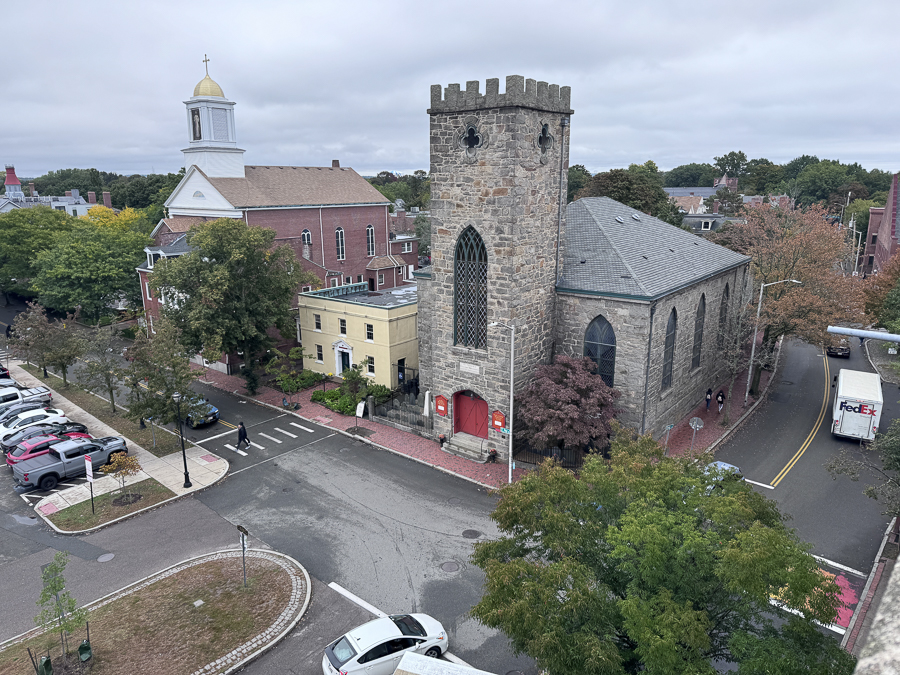
These churches were built to stand a long time!!
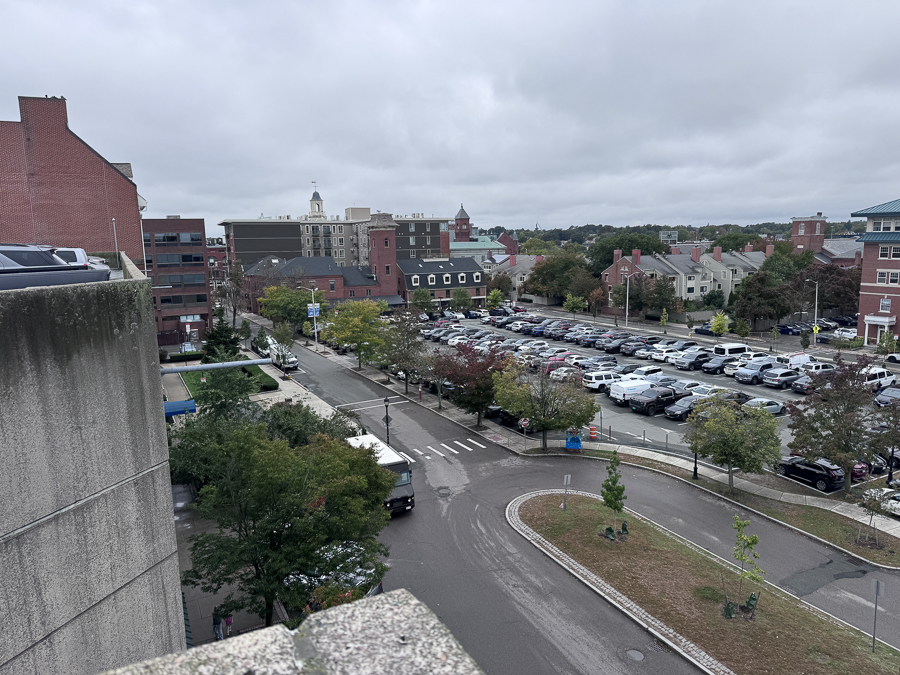
It was a dreary day!
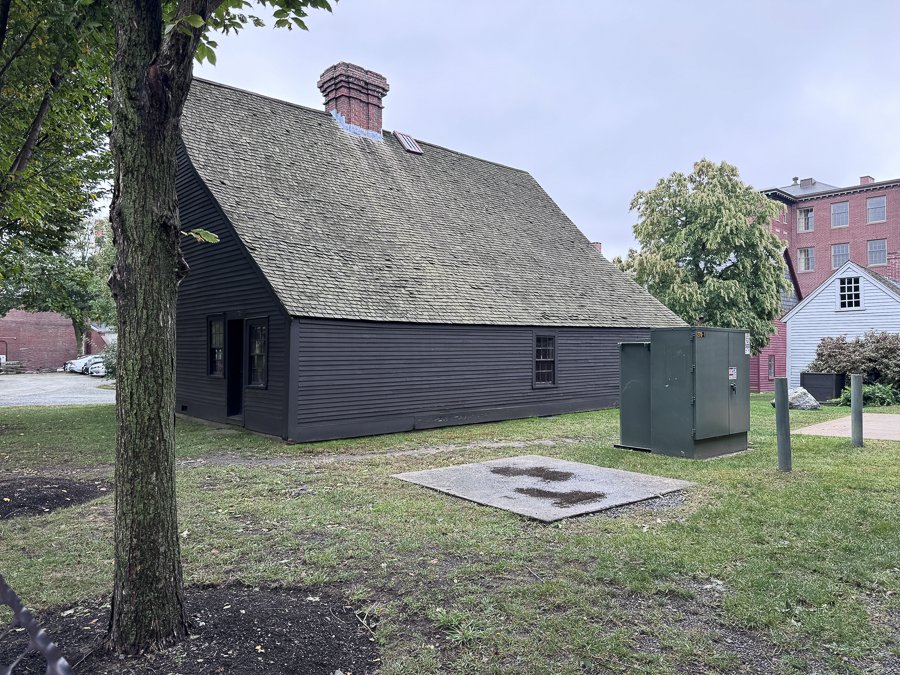
Old farmhouses were nearby/

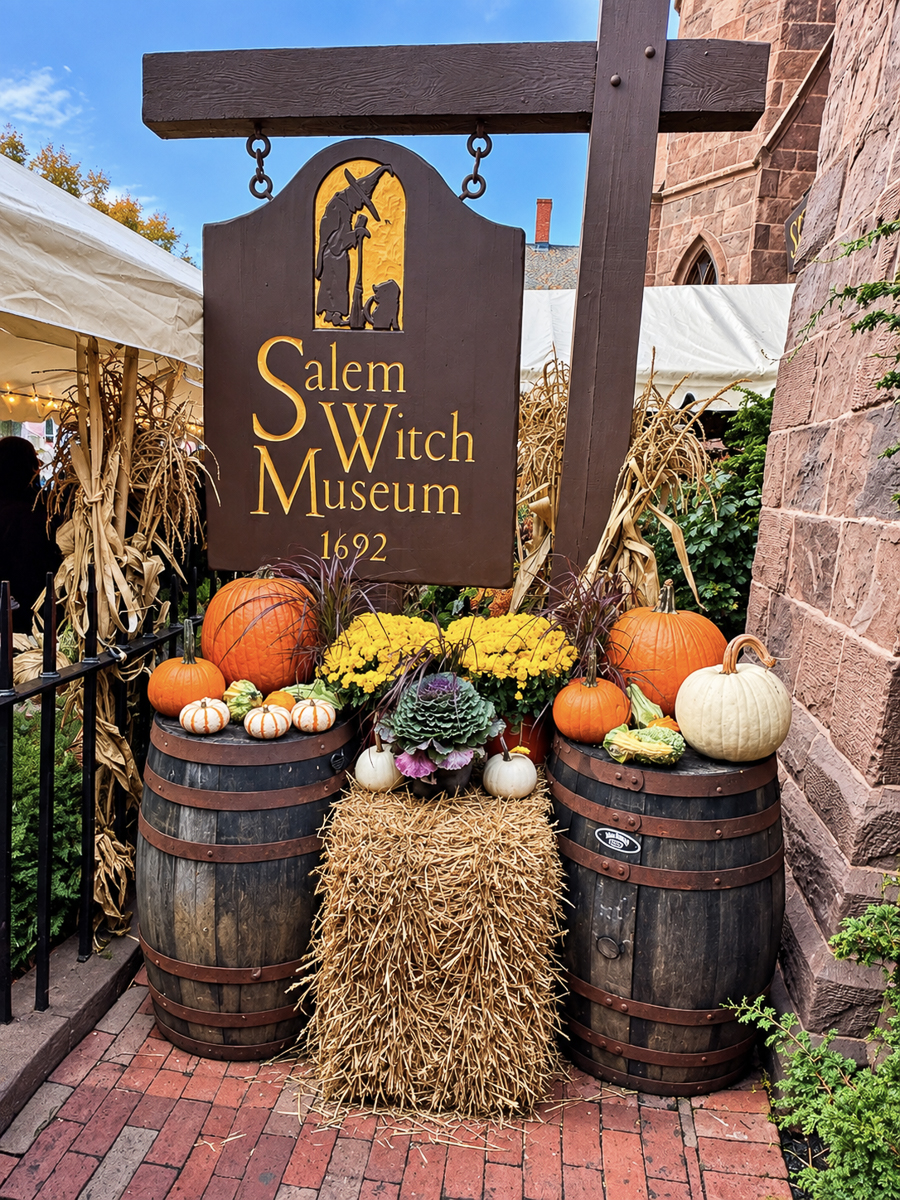
The Salem Witch Museum opened in 1972 in Salem, Massachusetts, in a former church building known as the East Church. Built in 1844, the Gothic Revival building predates the museum by more than a century.
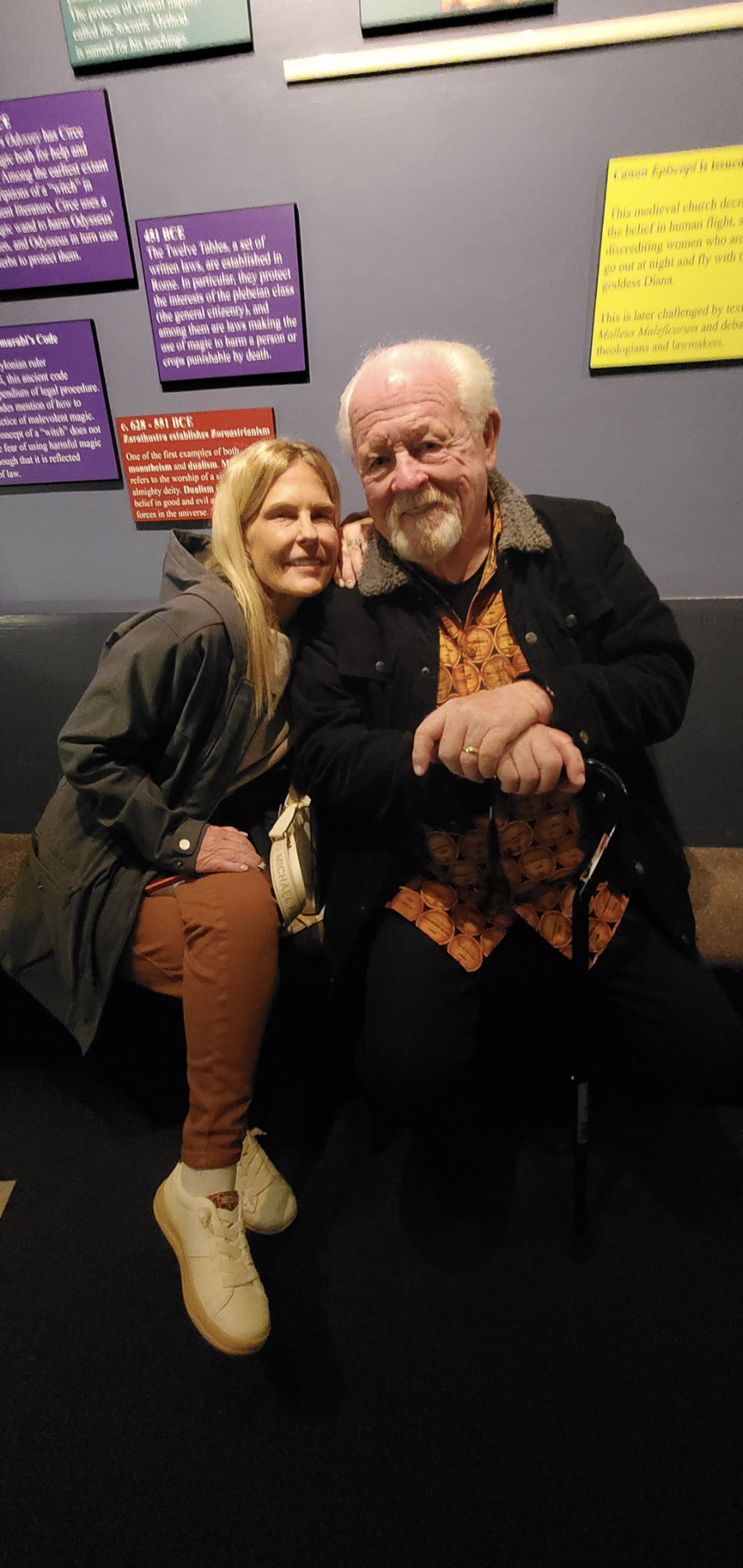
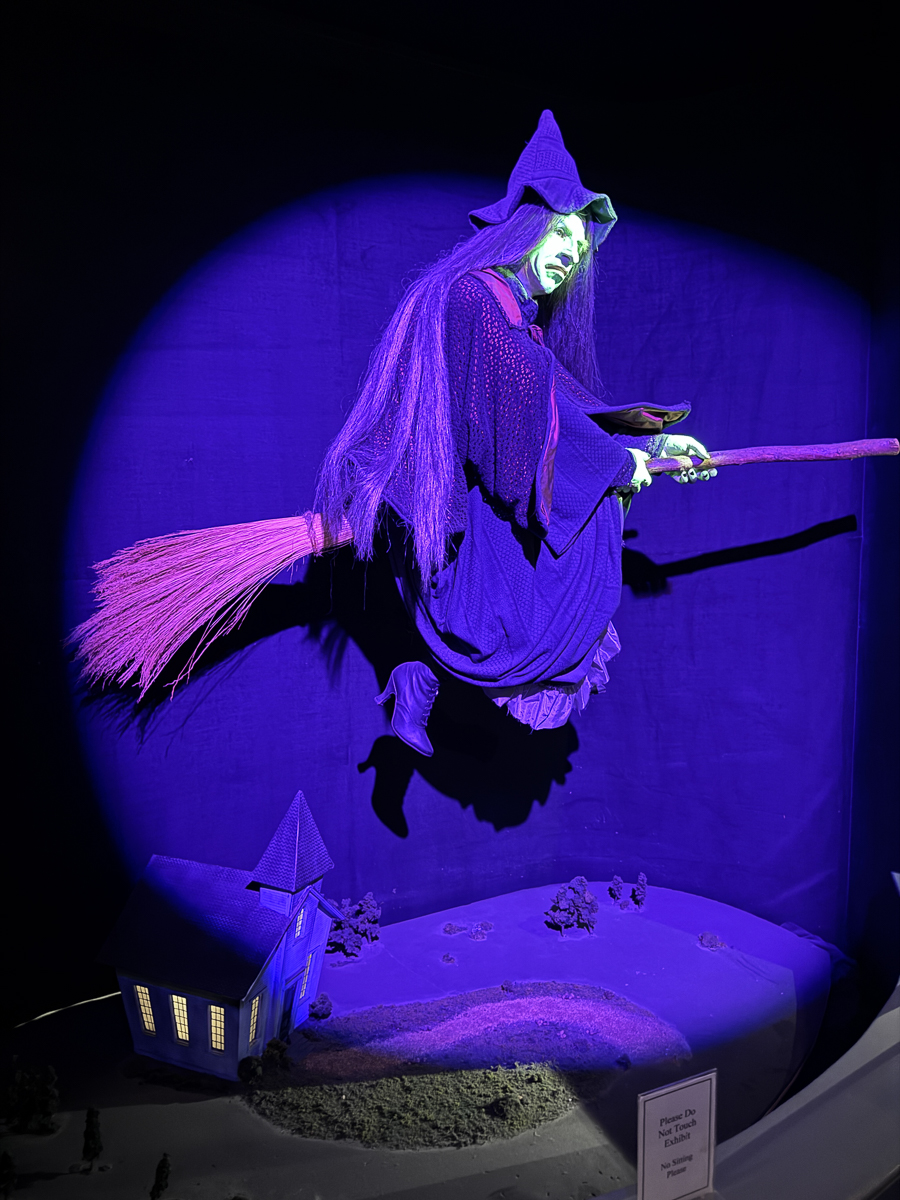
The museum was created to interpret the Salem witch trials of 1692–93. Its best-known presentation uses narration, lighting, and life-size scenes to tell the story of the accusations and trials. A second exhibition looks at how ideas about witches have changed over time, from European witch beliefs to modern Wicca and popular culture.
The trials themselves led to the execution of 20 people—19 by hanging and Giles Corey by pressing—and several more deaths in jail. The museum is one of several Salem sites devoted to that history, alongside memorials and historic locations connected to the trials.
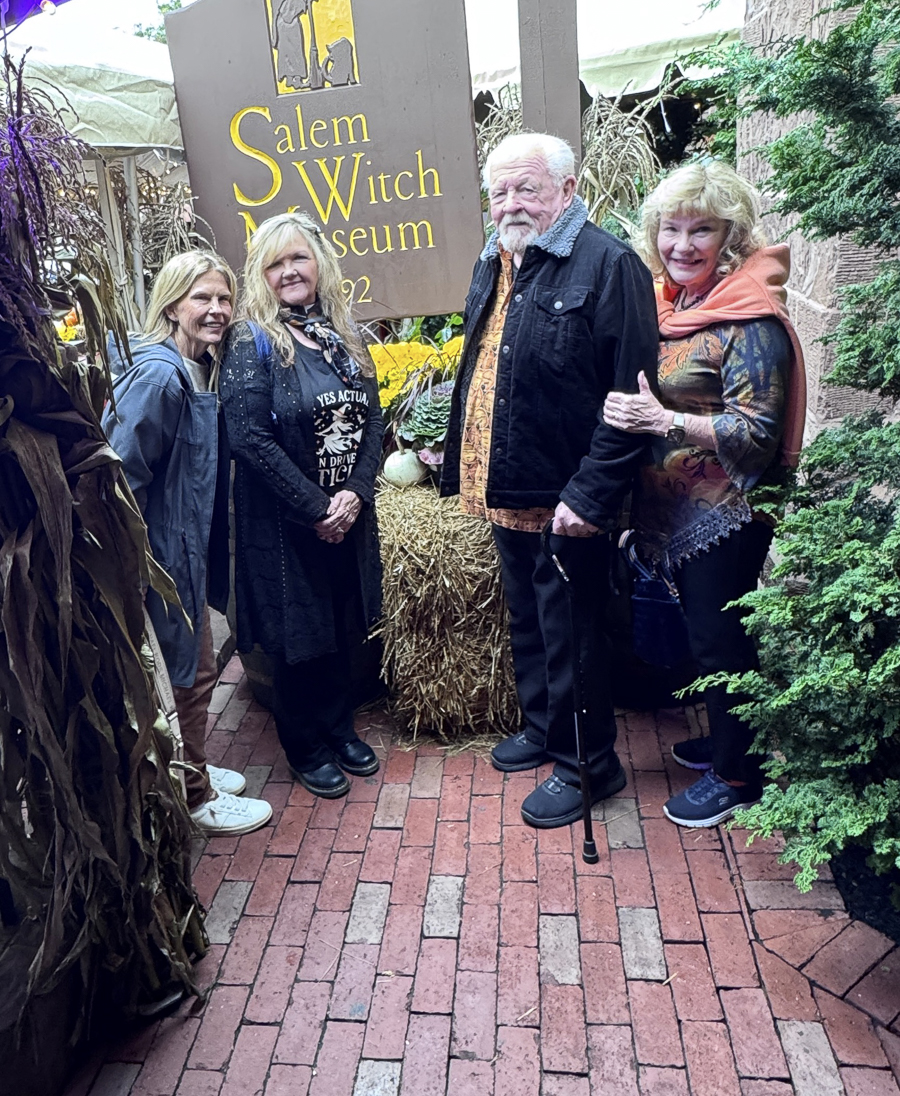
We have arrived!!
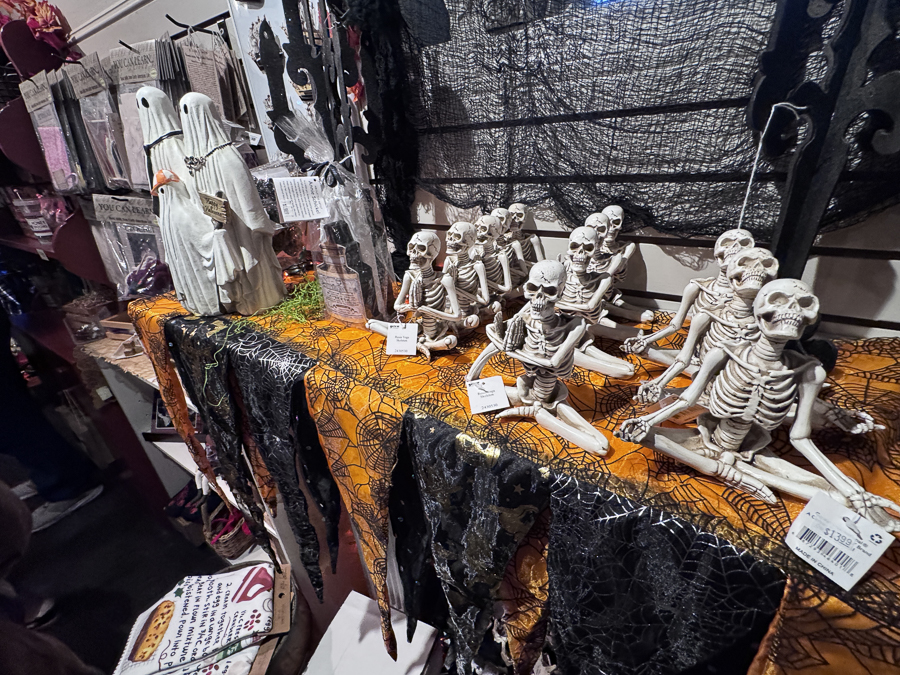
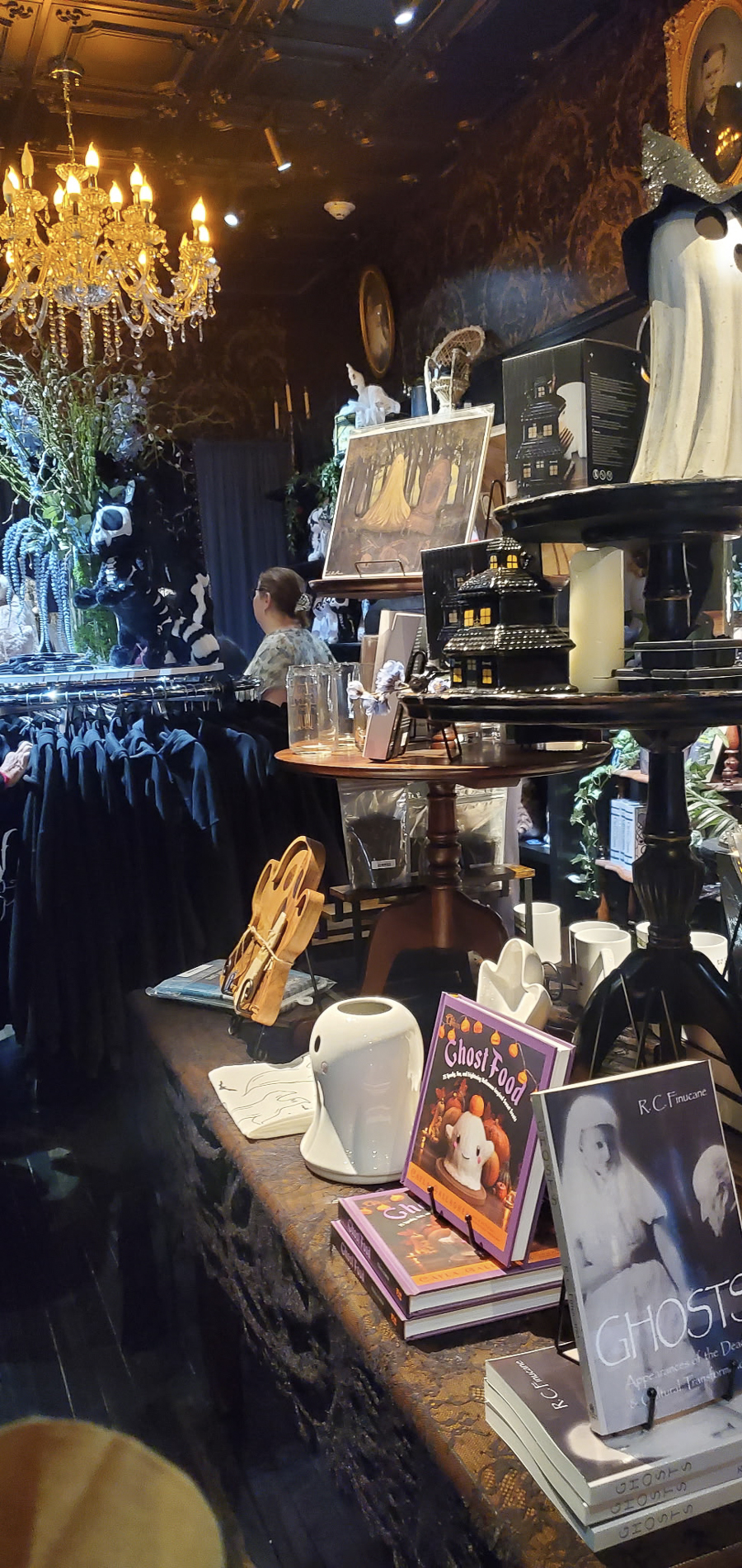
We had to walk through the gift store first!
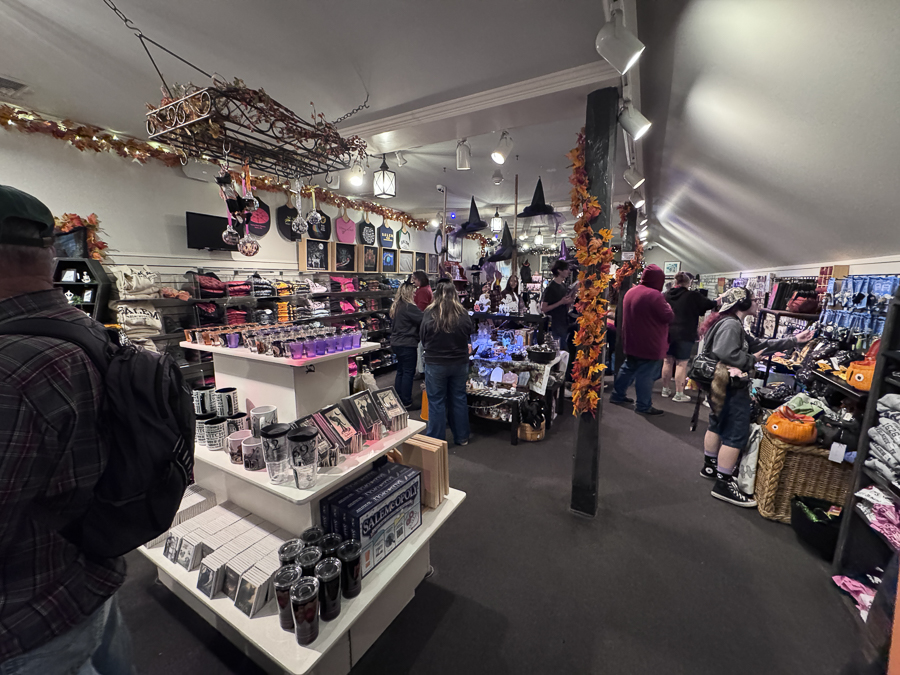
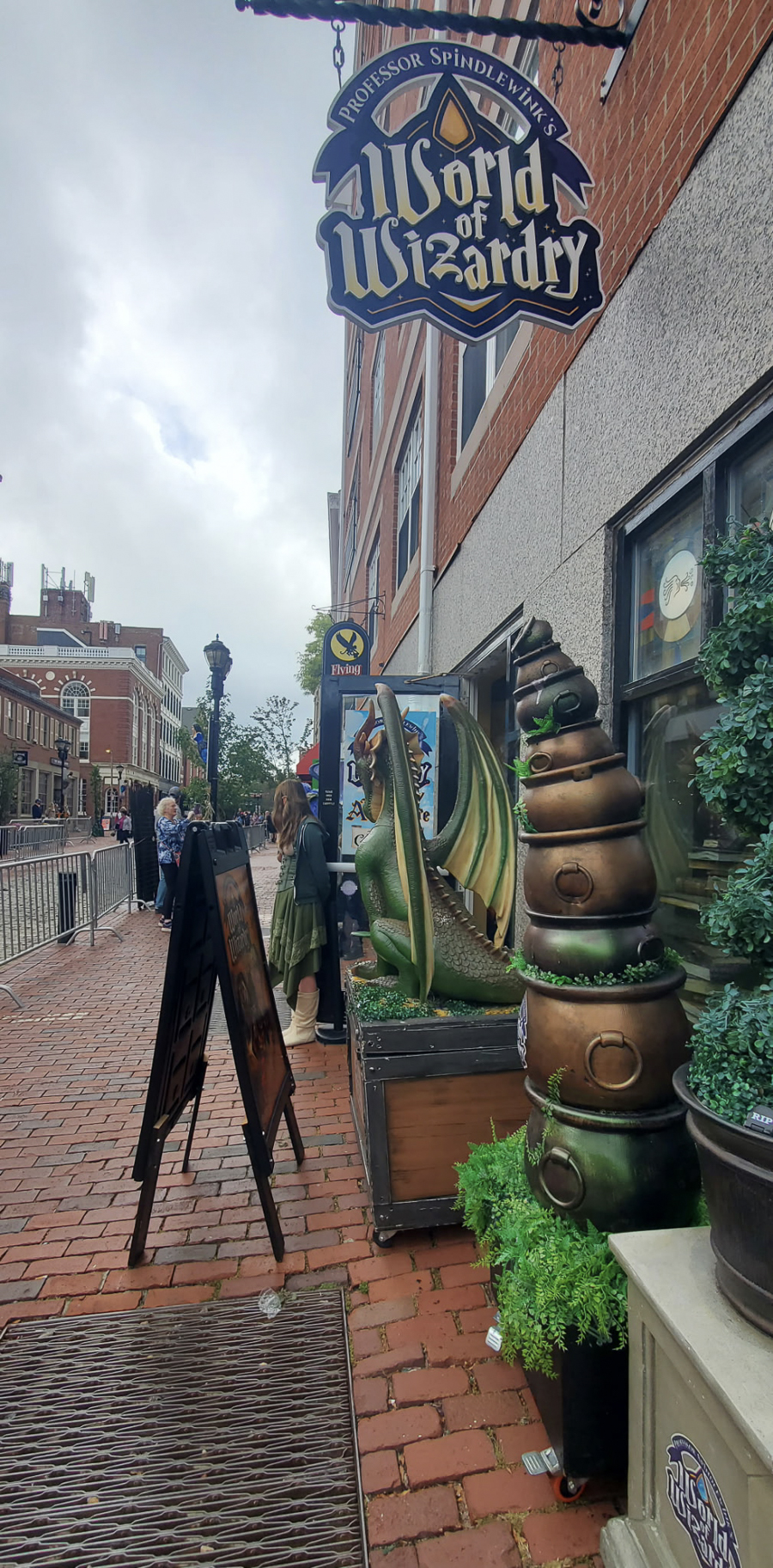
Scary stuff everywhere!
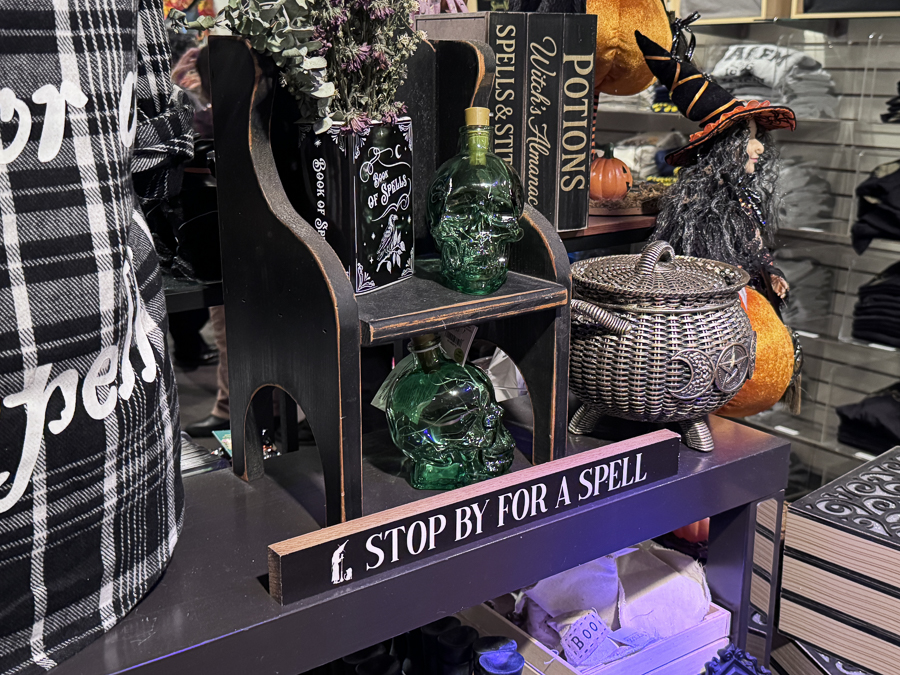
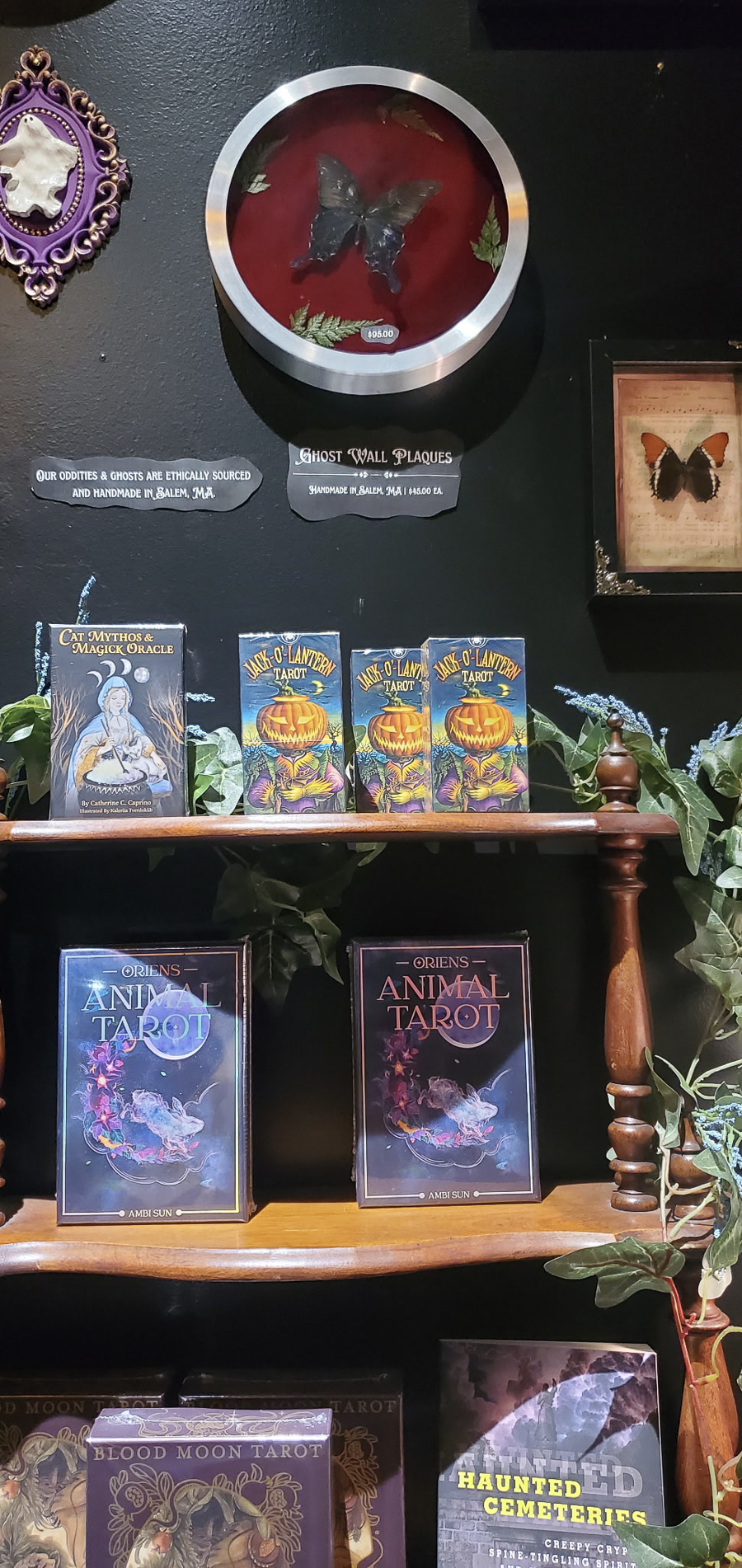
Clever goodies
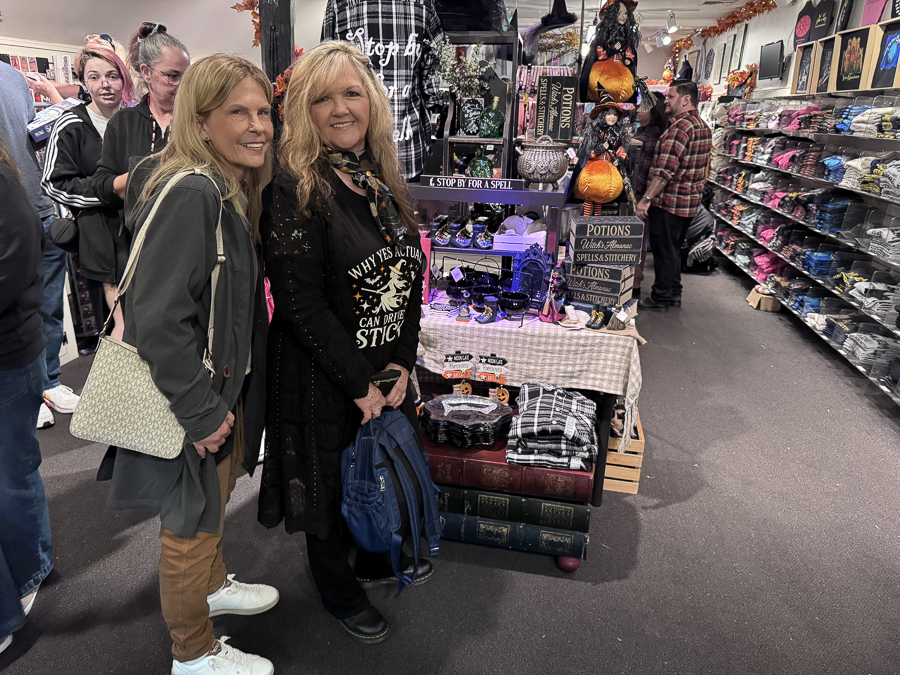
They are spotting "need-to-haves"
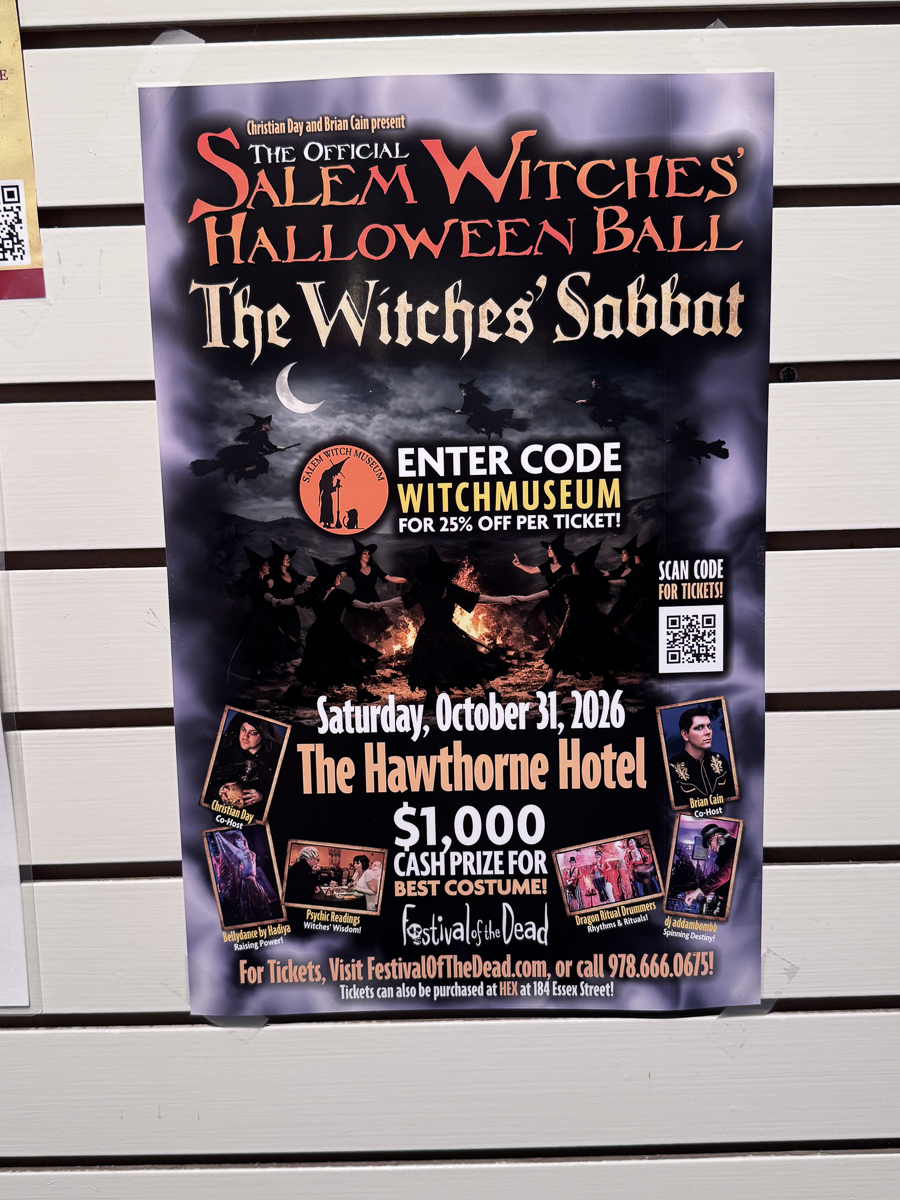
The museum has two main presentations: a narrated, theatrical account of the witch trials using life-size scenes, and an exhibition exploring how beliefs about witches have changed over time. It's a popular place to learn about the events, though the building itself is not a site where the trials took place.
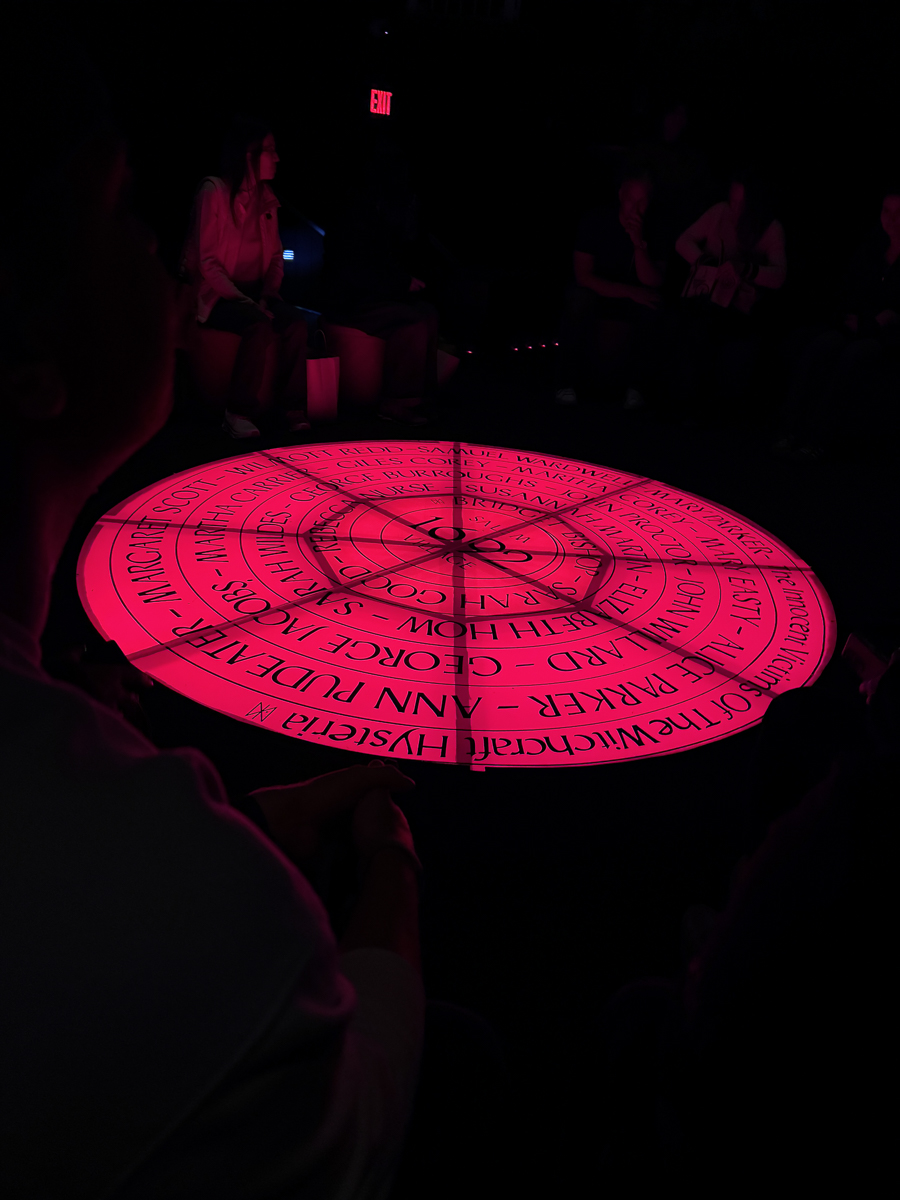

We sat on stools and rotated around as the presentations were made
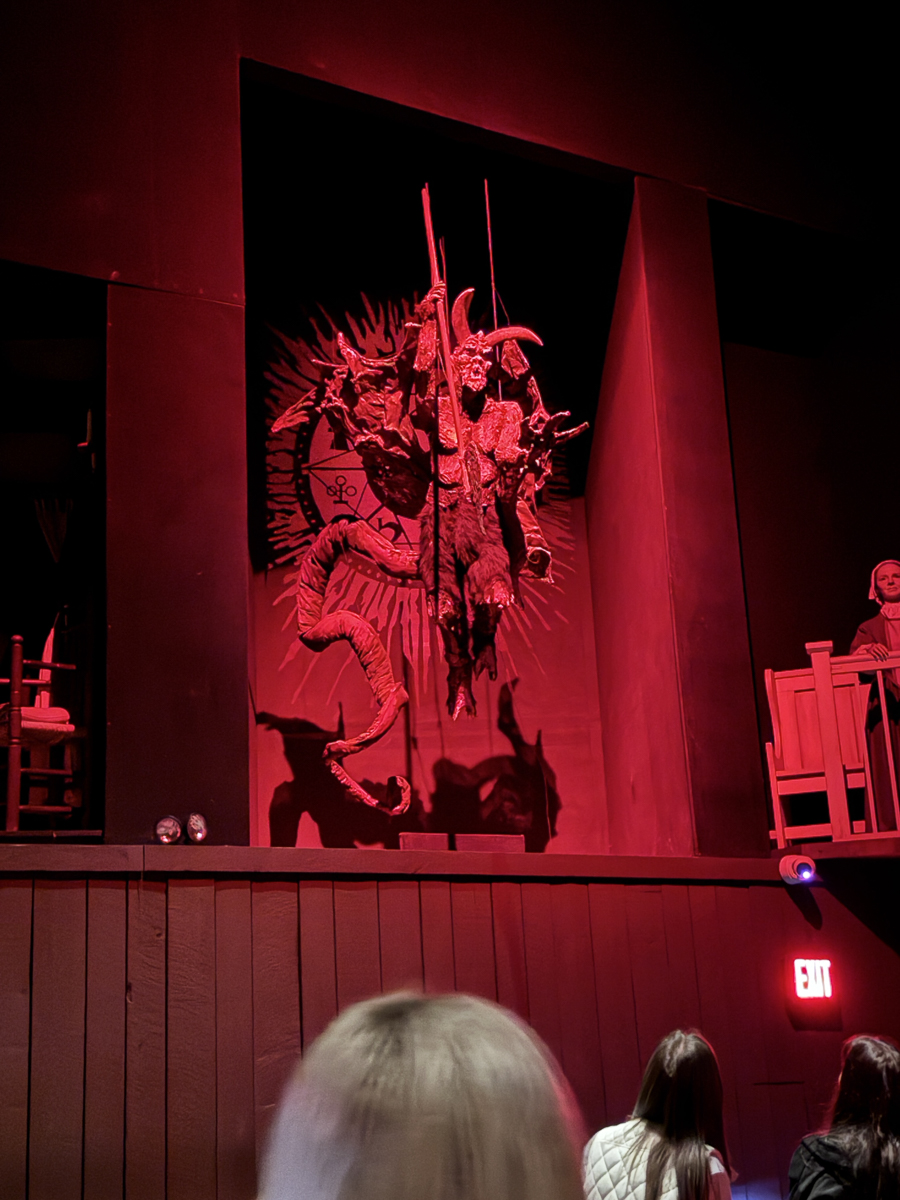
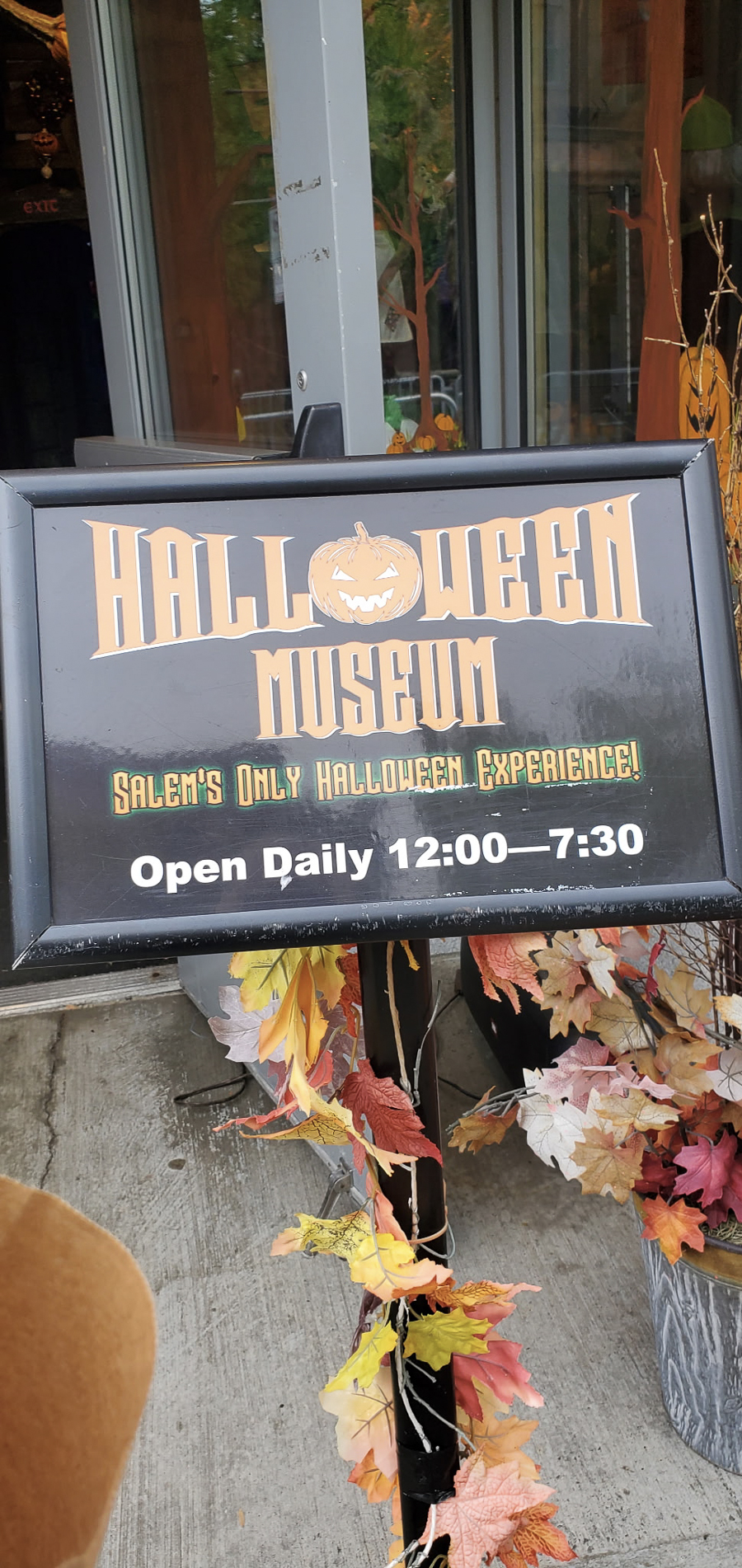
Spooky stuff.
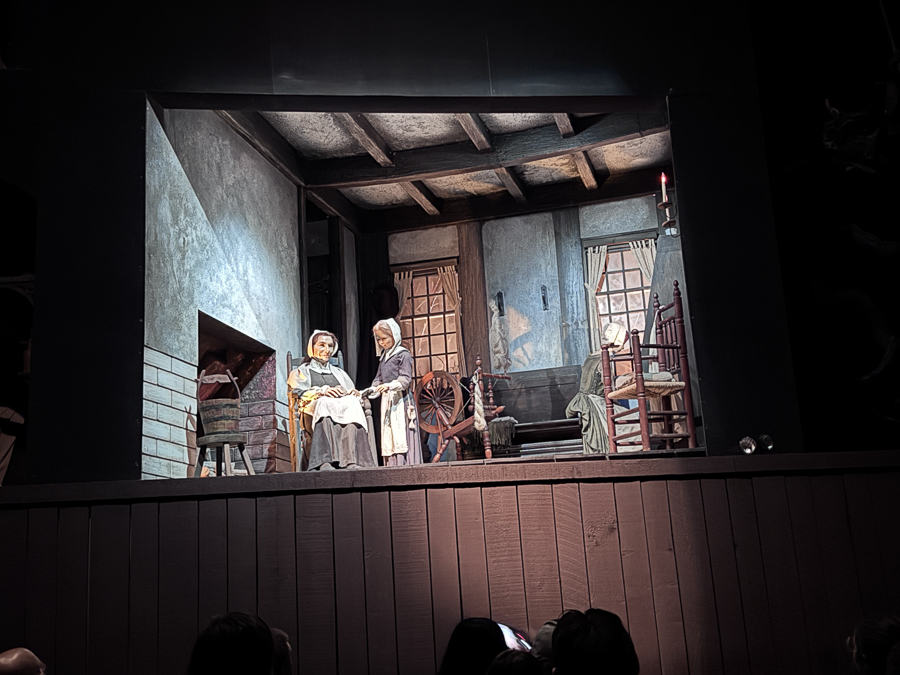
There isn't one person universally blamed. The accusations began after Betty Parris and Abigail Williams reported strange fits in early 1692. They accused Tituba, Sarah Good, and Sarah Osborne of witchcraft. Tituba's confession helped intensify the panic, but it was made under pressure, and historians see the trials as the result of several social, religious, and political factors—not one person's actions.
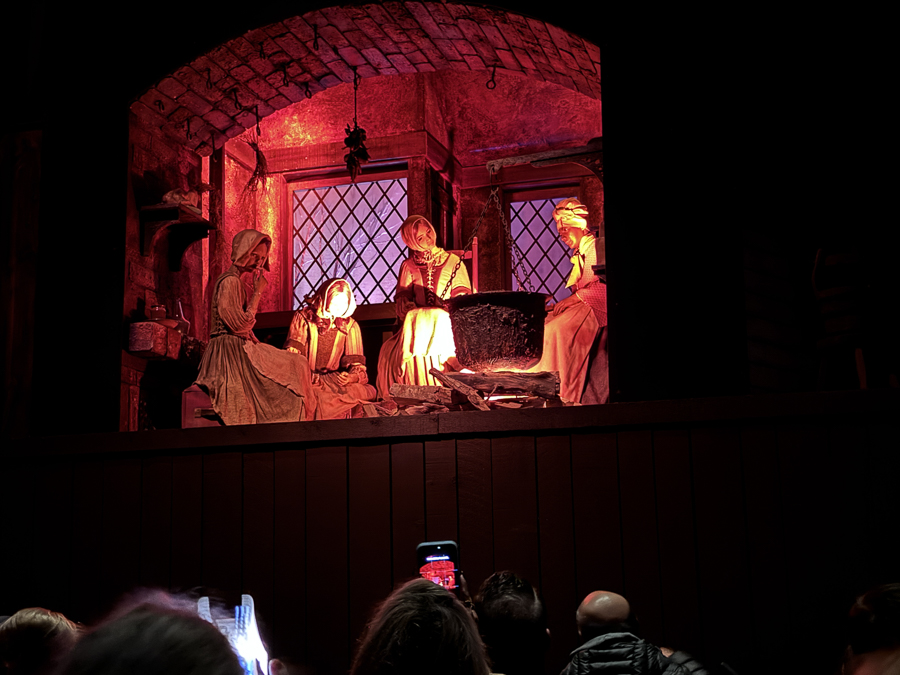
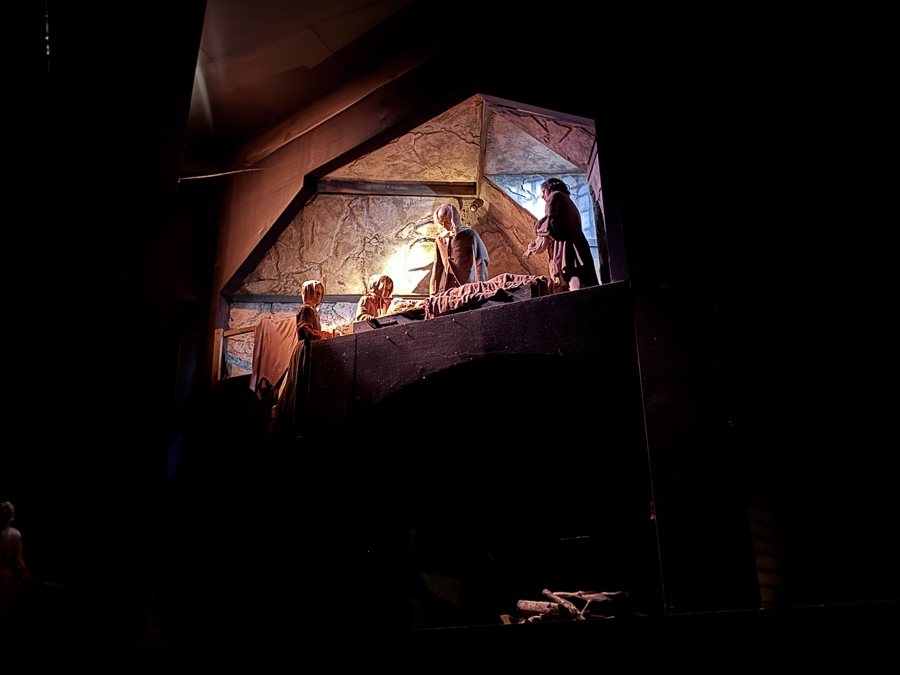
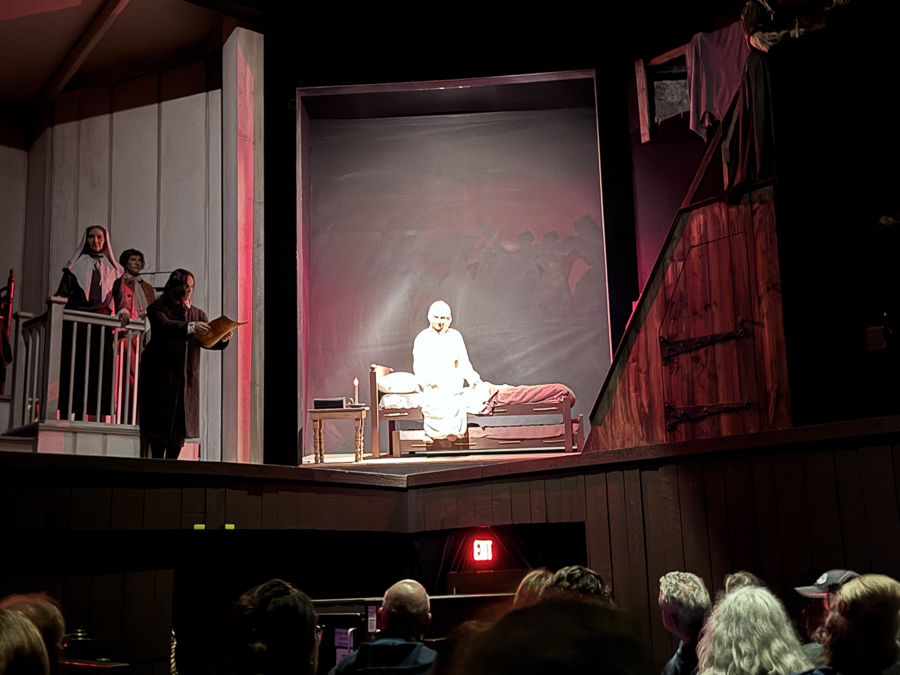
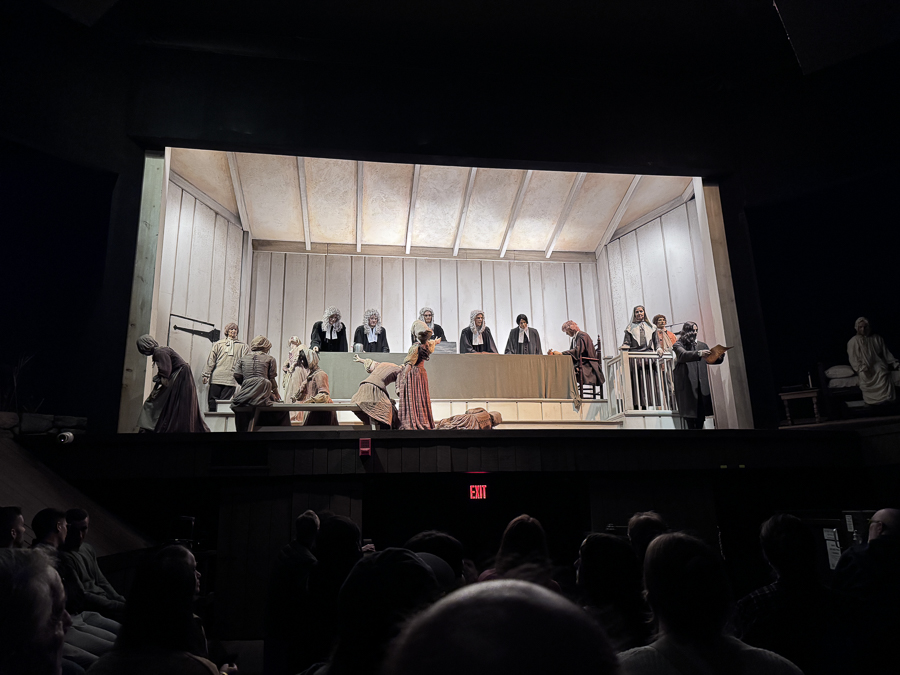
The trial begins
The Salem witch trials were a series of prosecutions in colonial Massachusetts in 1692–1693, during which people were accused of practicing witchcraft.
How they began
In Salem Village, several young girls—including Betty Parris and Abigail Williams—began having fits and behaving in ways their community couldn't explain. They accused Tituba, an enslaved woman, and two other women, Sarah Good and Sarah Osborne, of harming them through witchcraft. Tituba confessed, likely under pressure, and her account helped fuel the panic.
Why the accusations spread
The community was deeply religious and believed the Devil could work through witches. Salem was also divided by local disputes and under strain from war, disease, and political uncertainty. Accusations often grew from suspicion, personal conflicts, and fear. Some accusers claimed they saw the accused harming them in visions—so-called "spectral evidence."
The trials and executions
More than 200 people were accused or jailed. In the courts, spectral evidence and coerced or unreliable testimony were sometimes accepted. Nineteen people were hanged, and Giles Corey was pressed to death after refusing to enter a plea. Several others died in jail.
How it ended
The trials lost credibility as accusations expanded to include respected members of the community. In 1693, Governor William Phips stopped the special court and released those still imprisoned. Massachusetts later acknowledged that the trials had been unjust and compensated some of the victims' families.
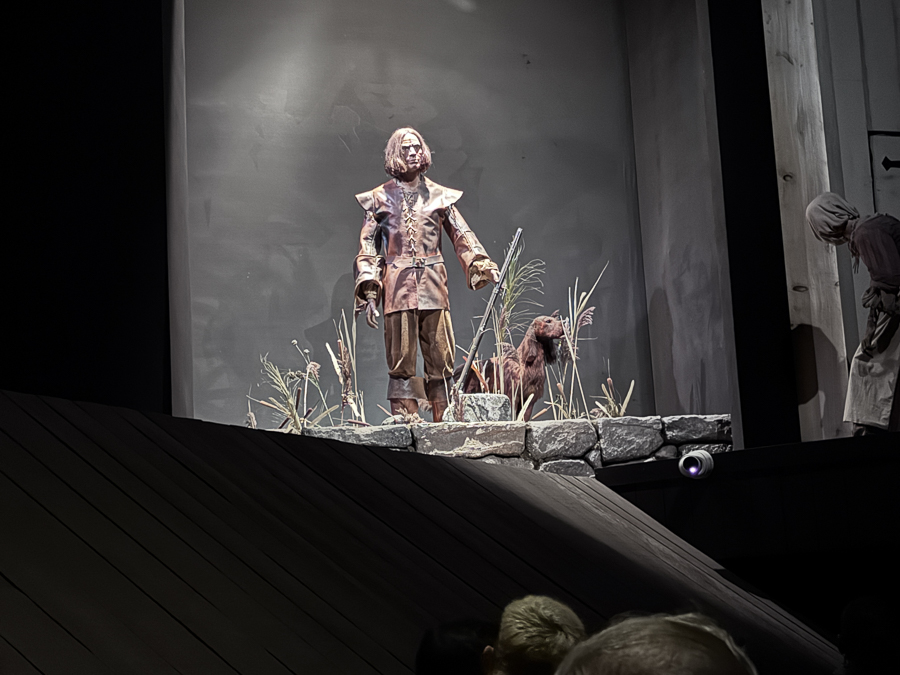
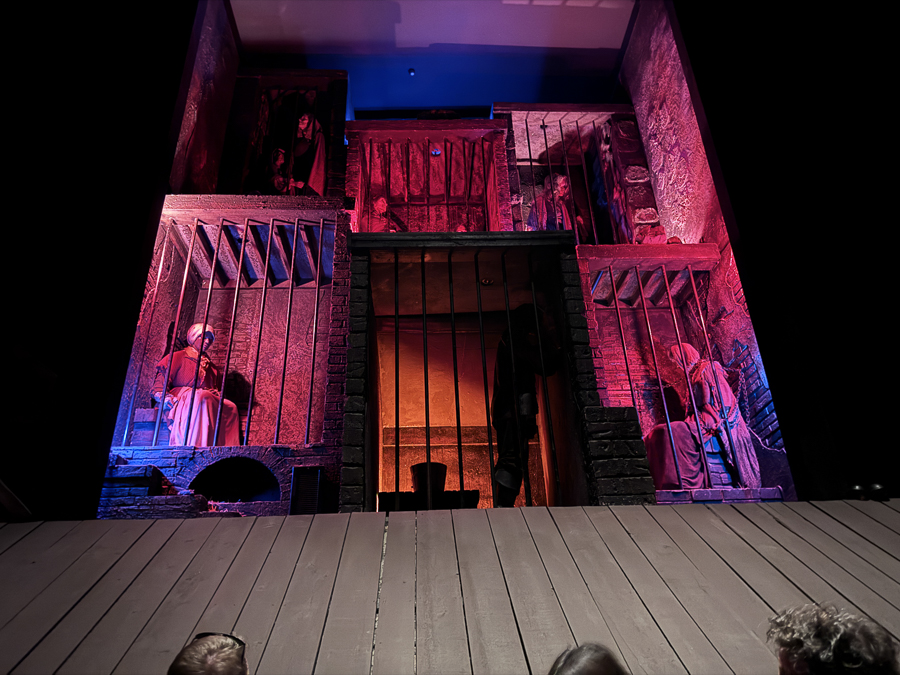
Put in jail but some here hanged!
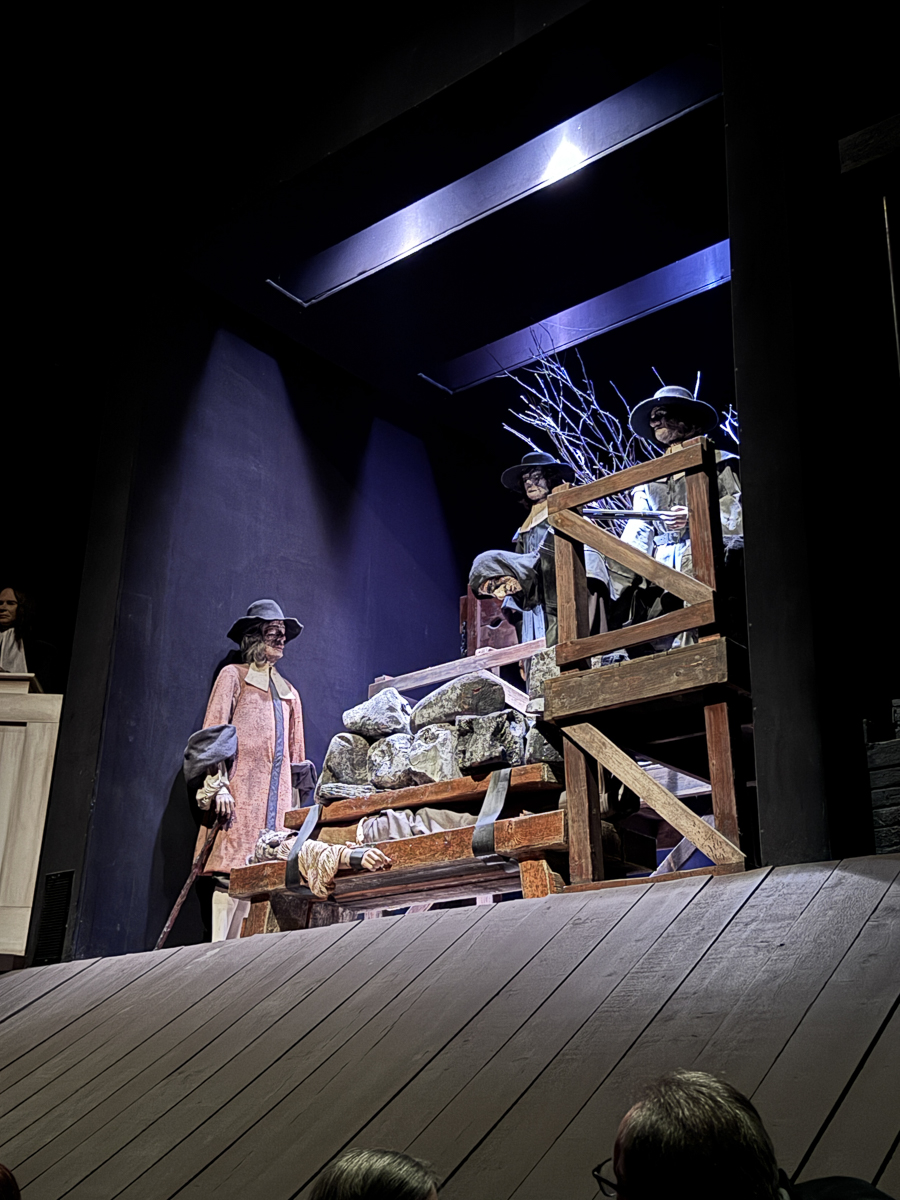
One was crushed - Giles Corey was pressed to death during the Salem witch trials in 1692 after refusing to enter a plea. Stones were placed on him to force him to respond.
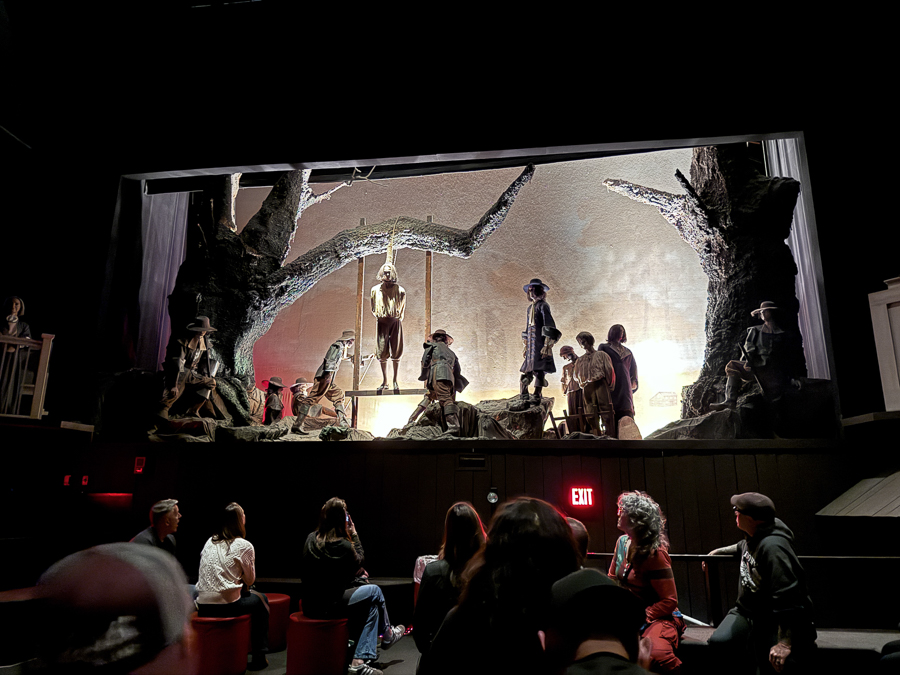
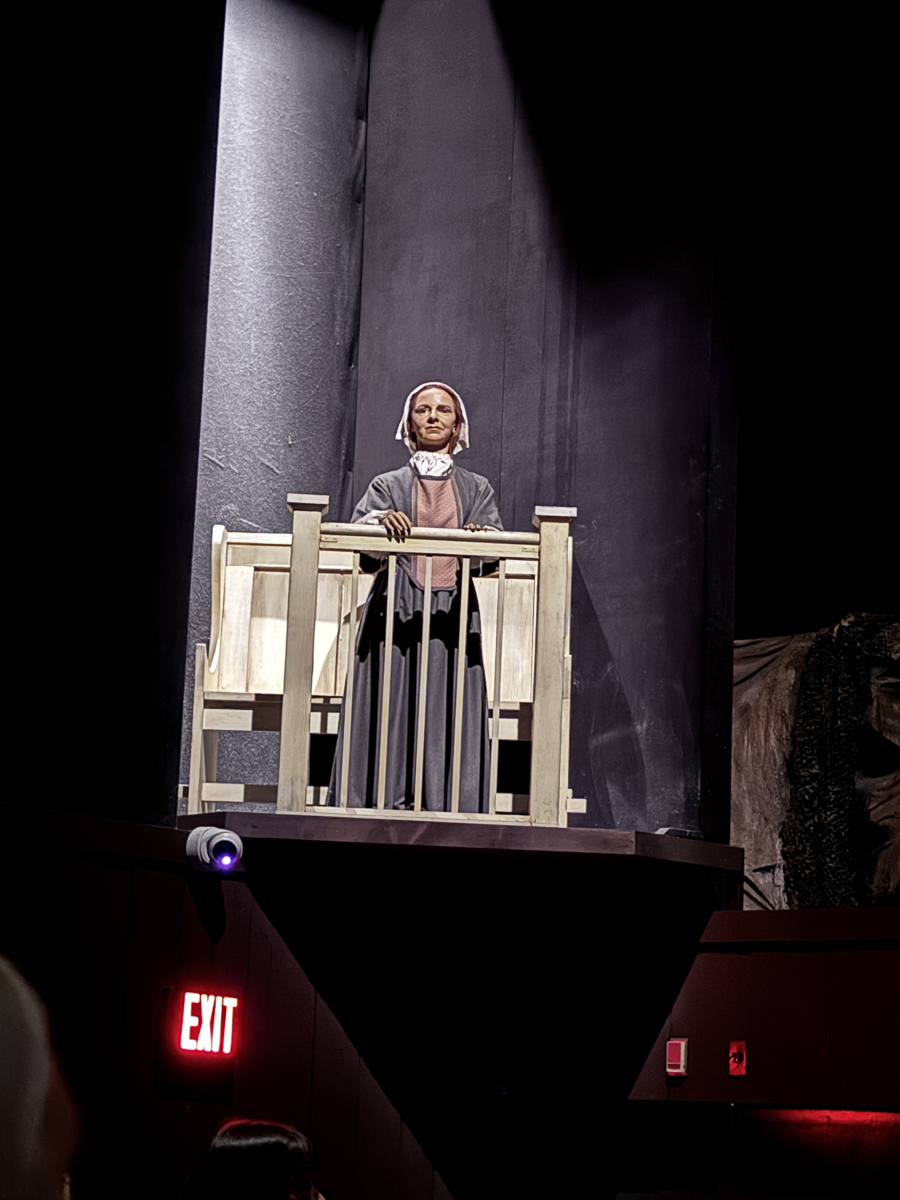


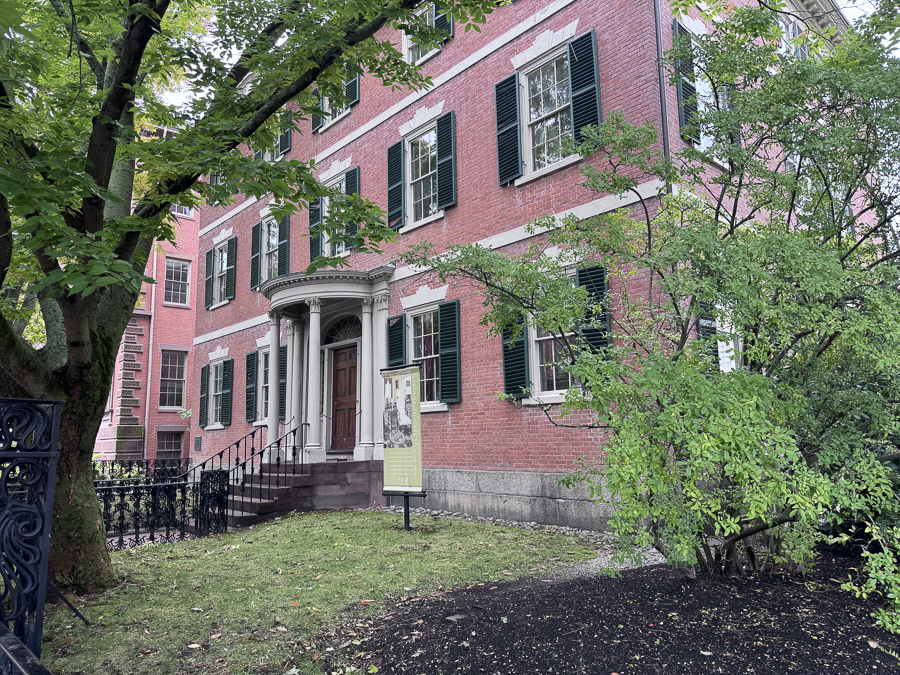
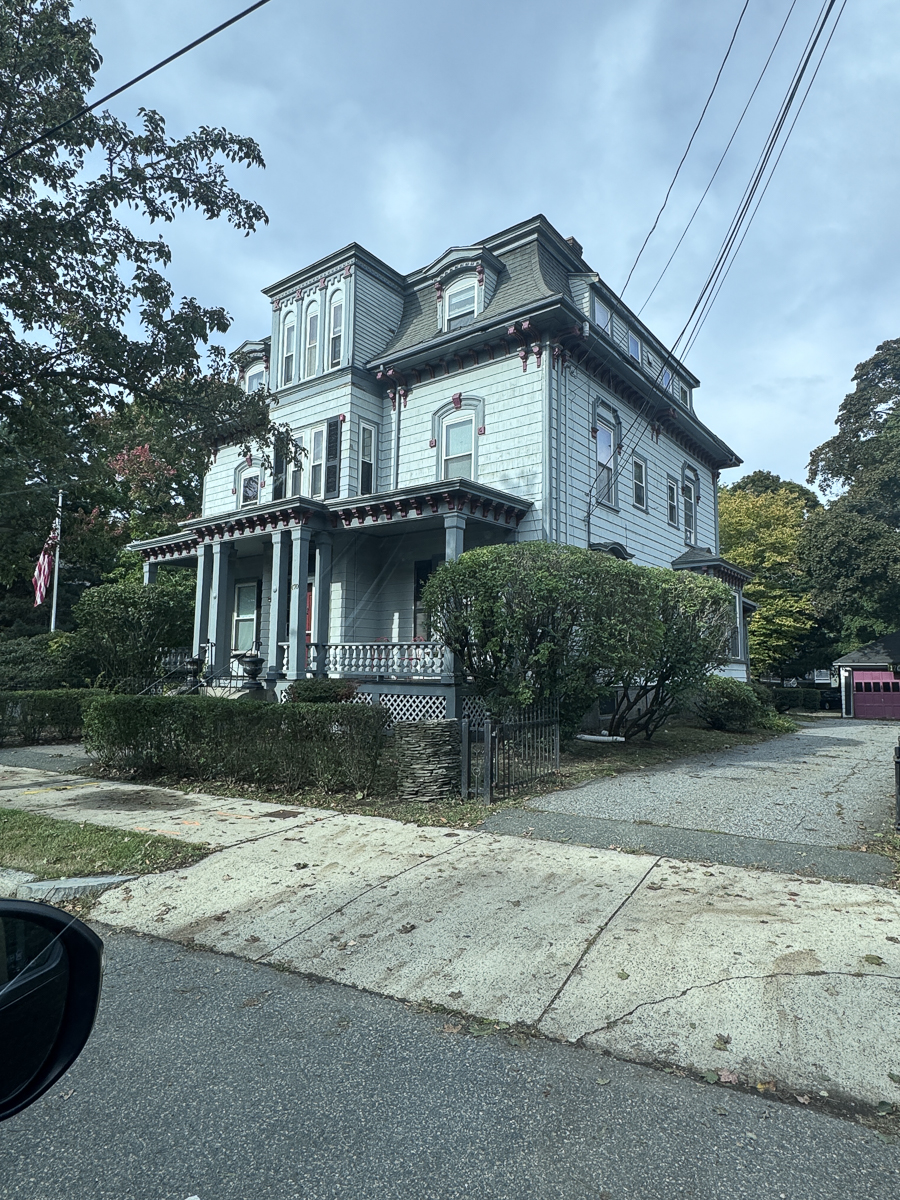
The old houses were interesting!
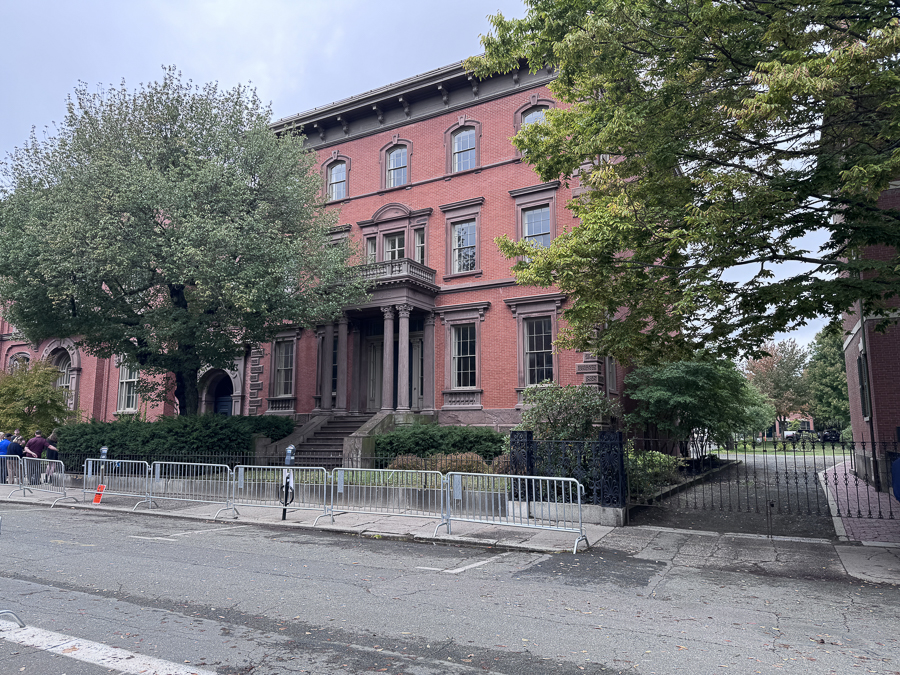
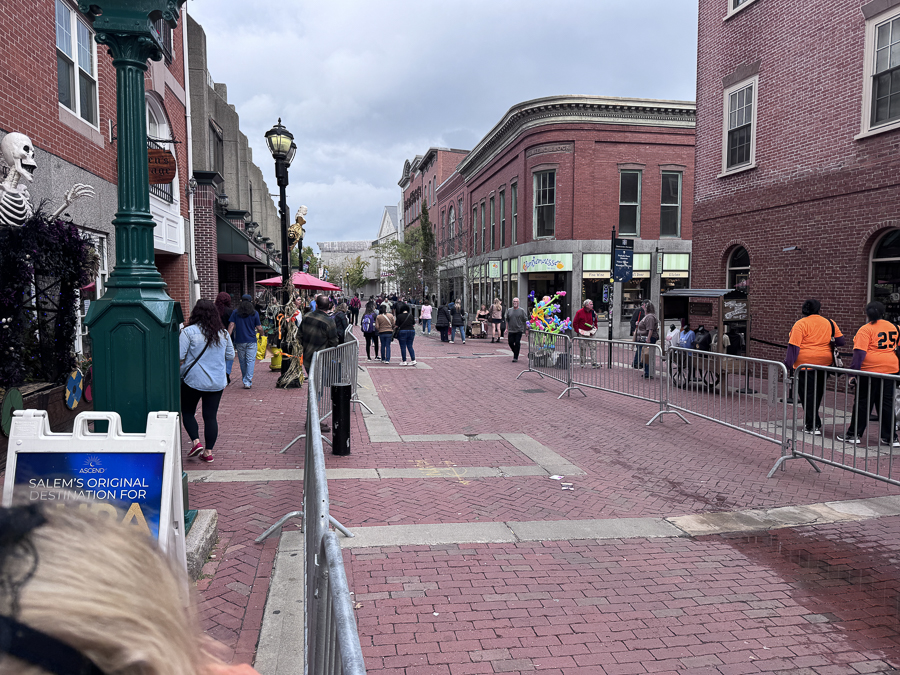
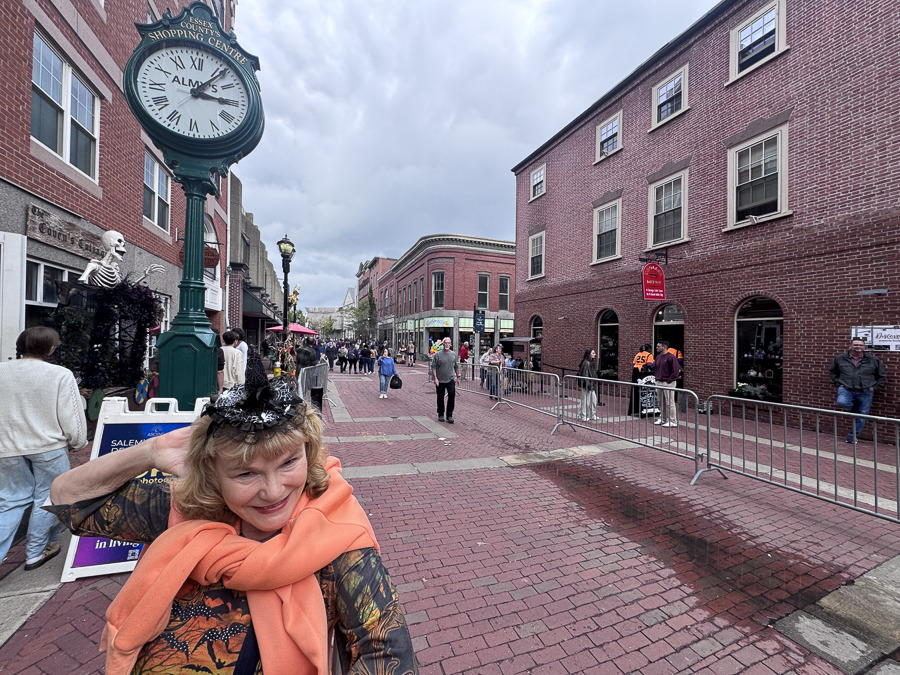
The streets were cordoned off for a parade which is planned for the next day!
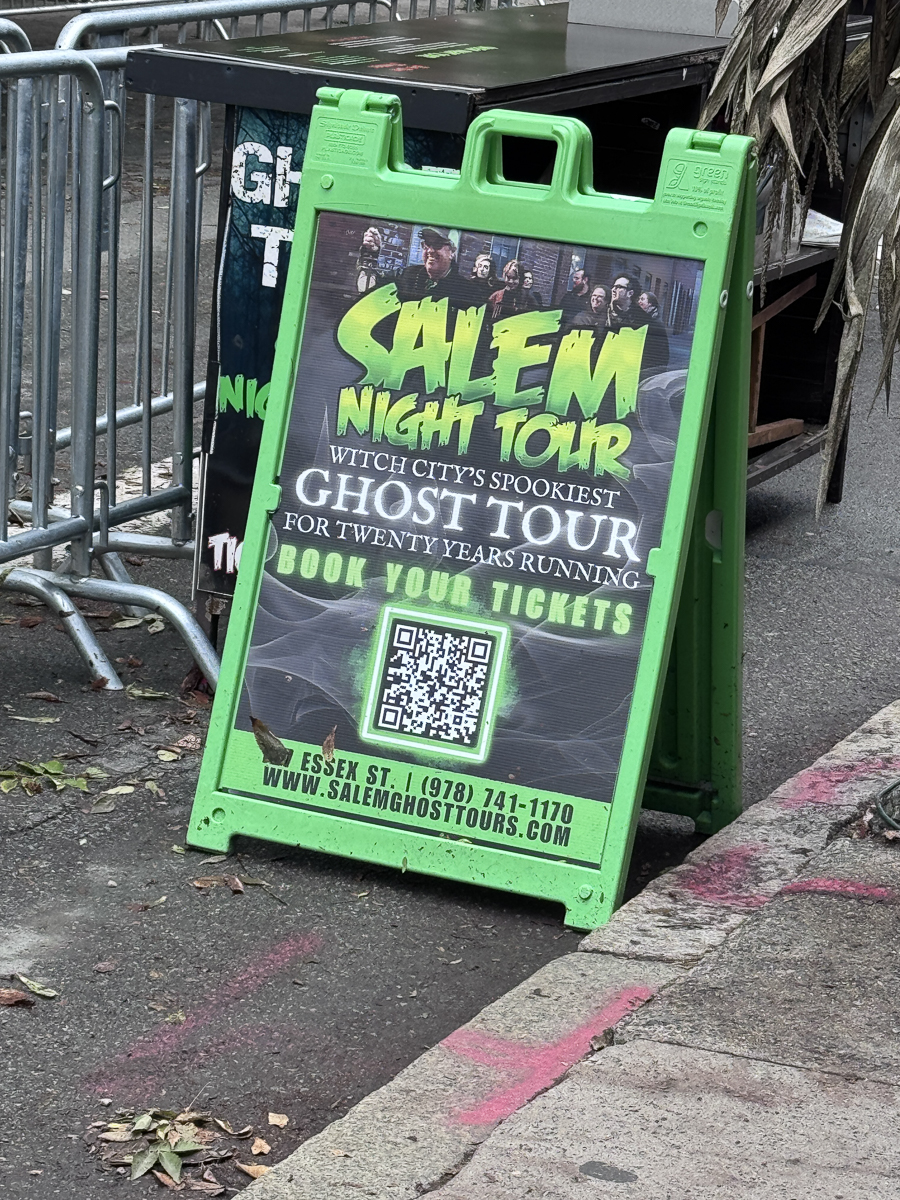
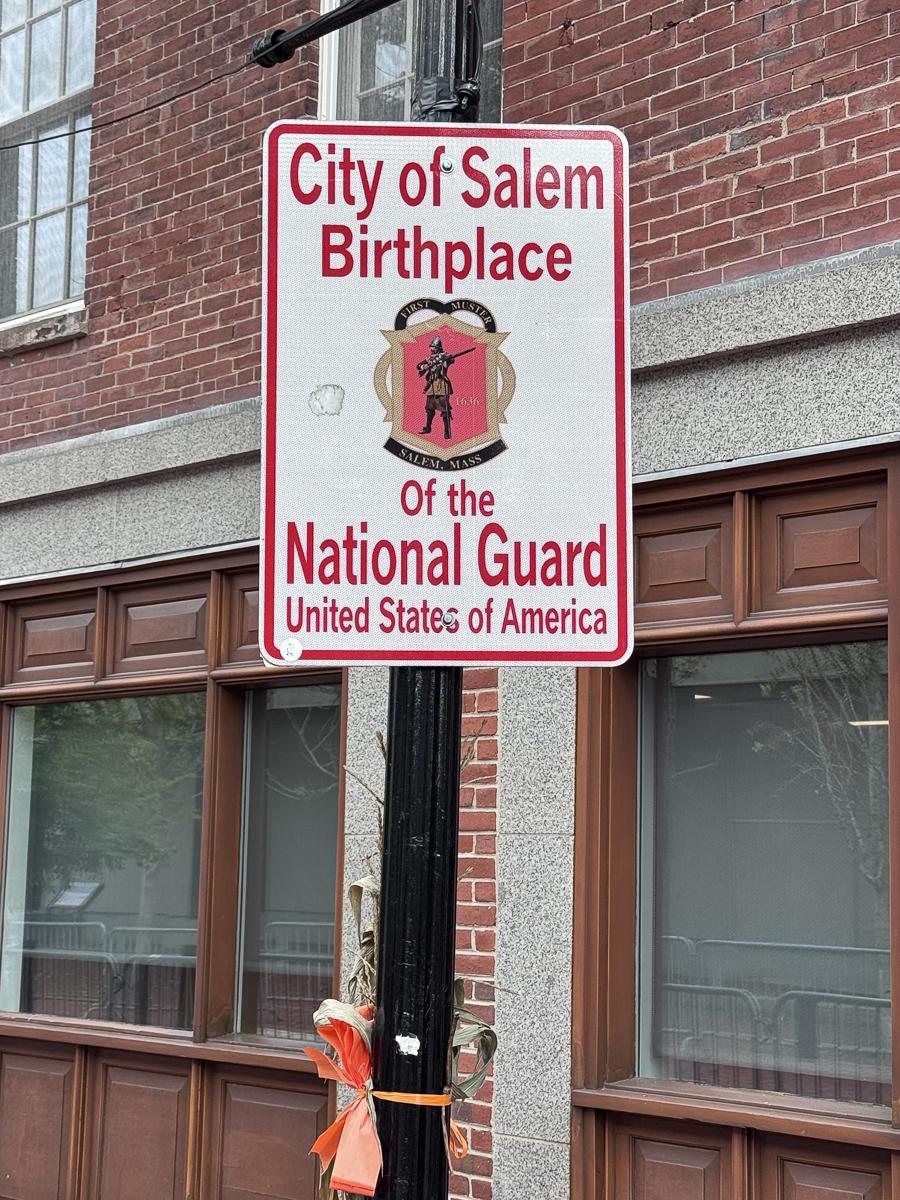
A little known fact
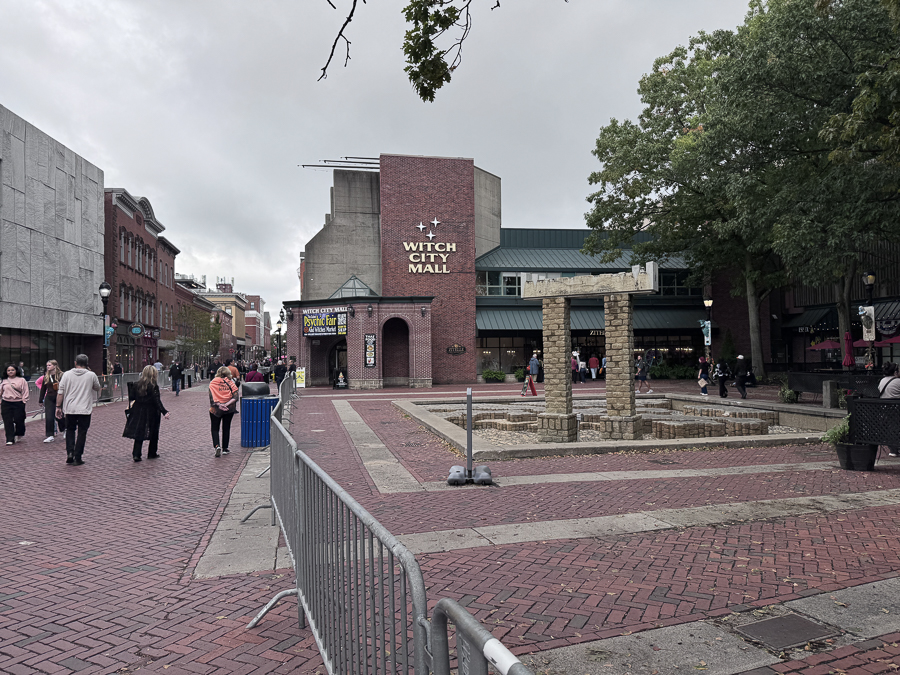
No kidding!!!
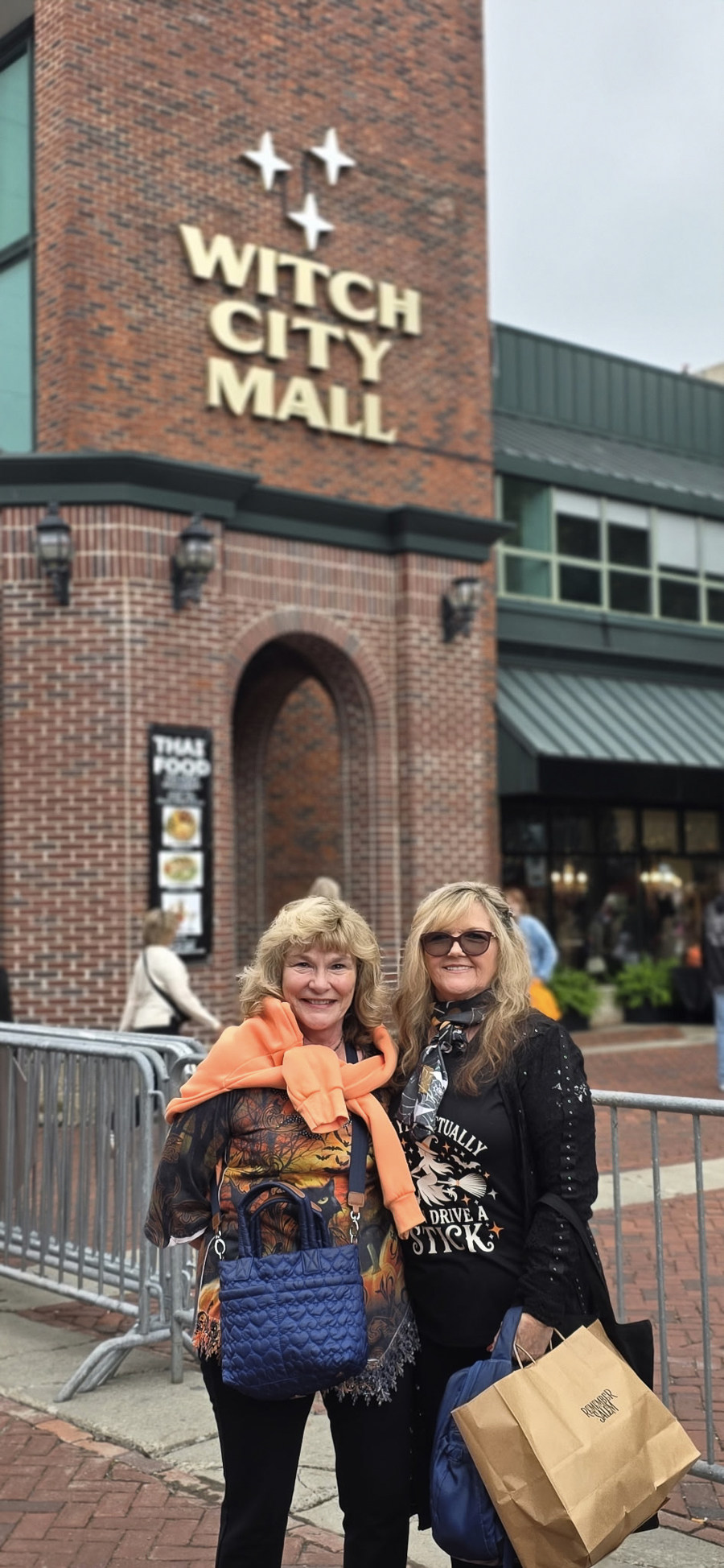
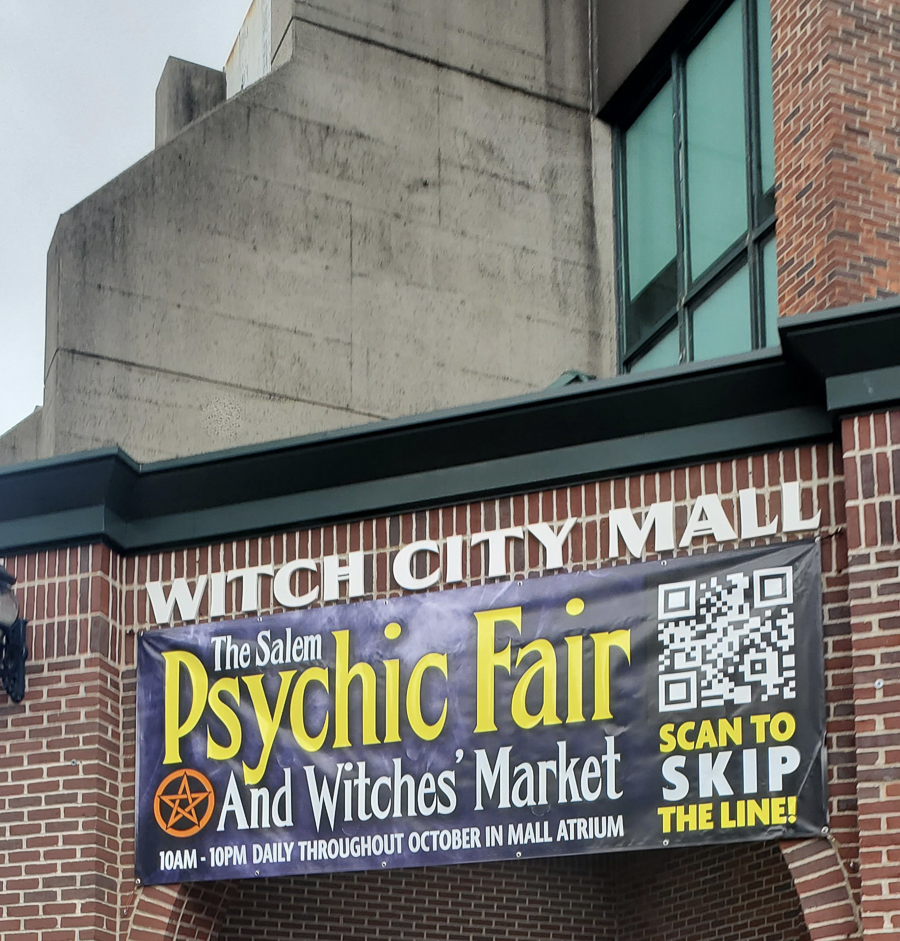
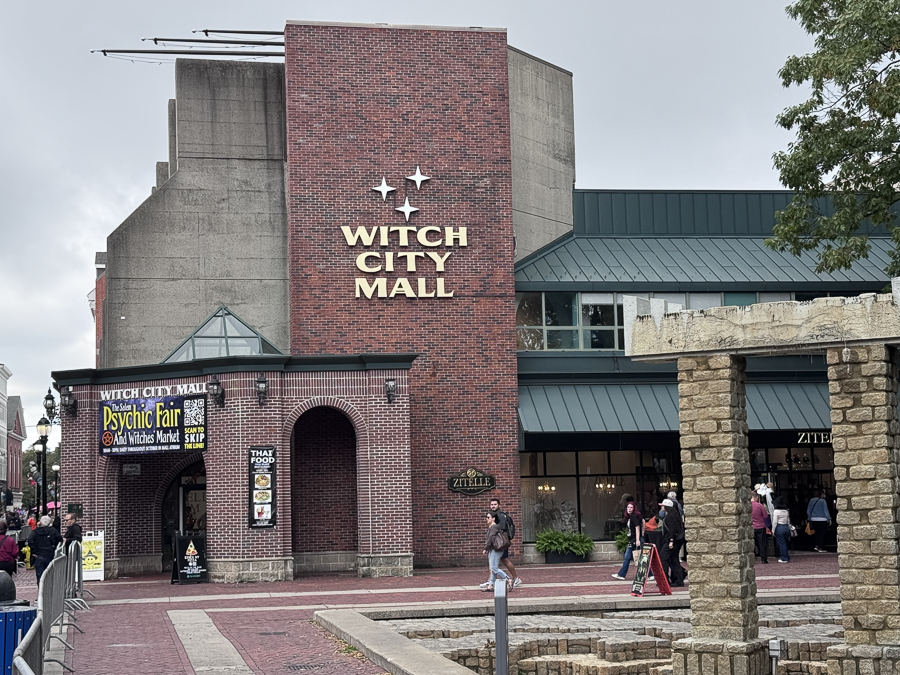
Witch City Mall, it's a small indoor shopping center at 1 Church Street in downtown Salem, Massachusetts, near the Essex Street pedestrian mall. It's more of a compact collection of independent shops and services than a large, traditional mall. Its central location makes it convenient to visit while exploring downtown Salem, especially during the busy Halloween season. Individual businesses set their own hours, so it's worth checking with a particular shop before you go.
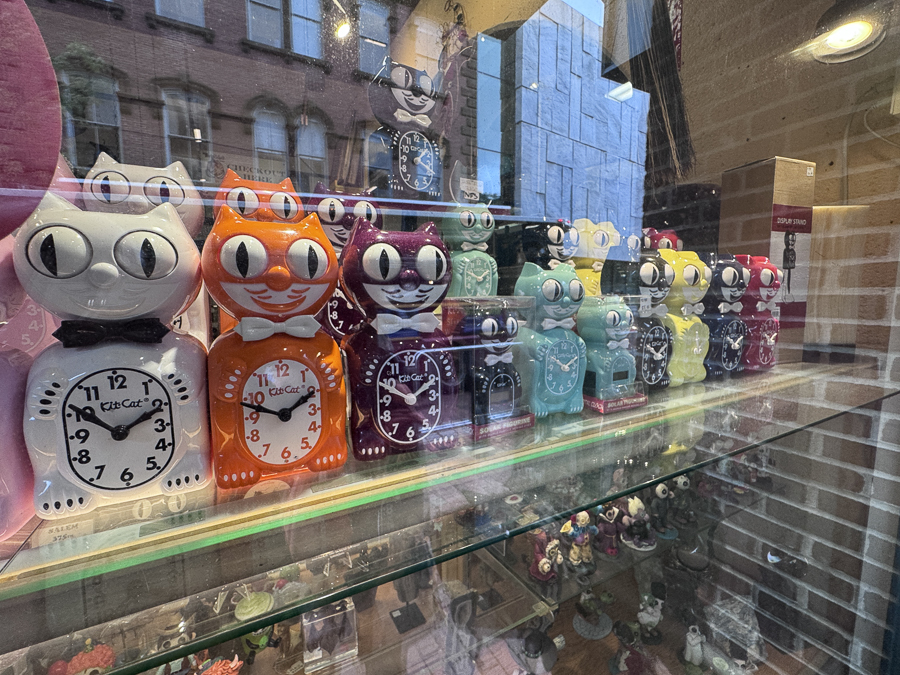
Where is Dianne???
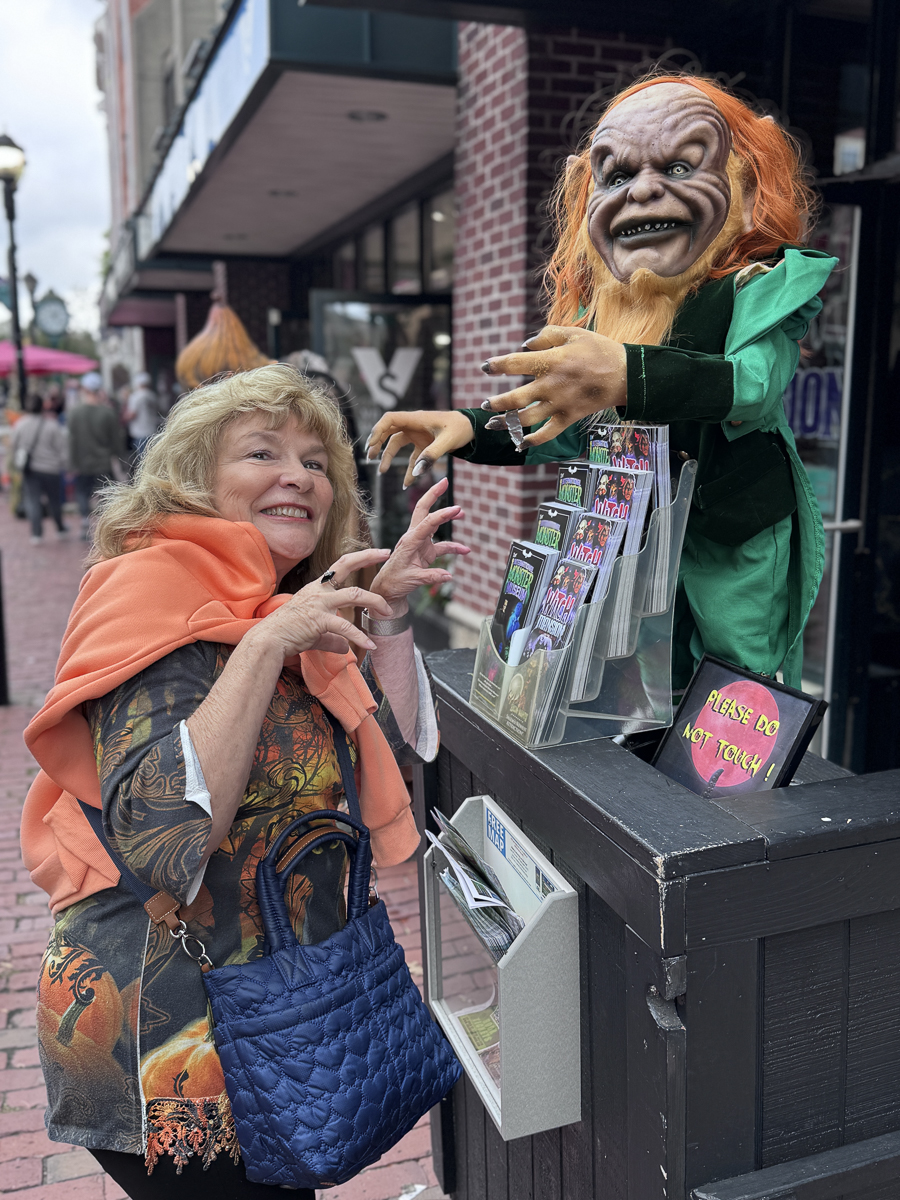
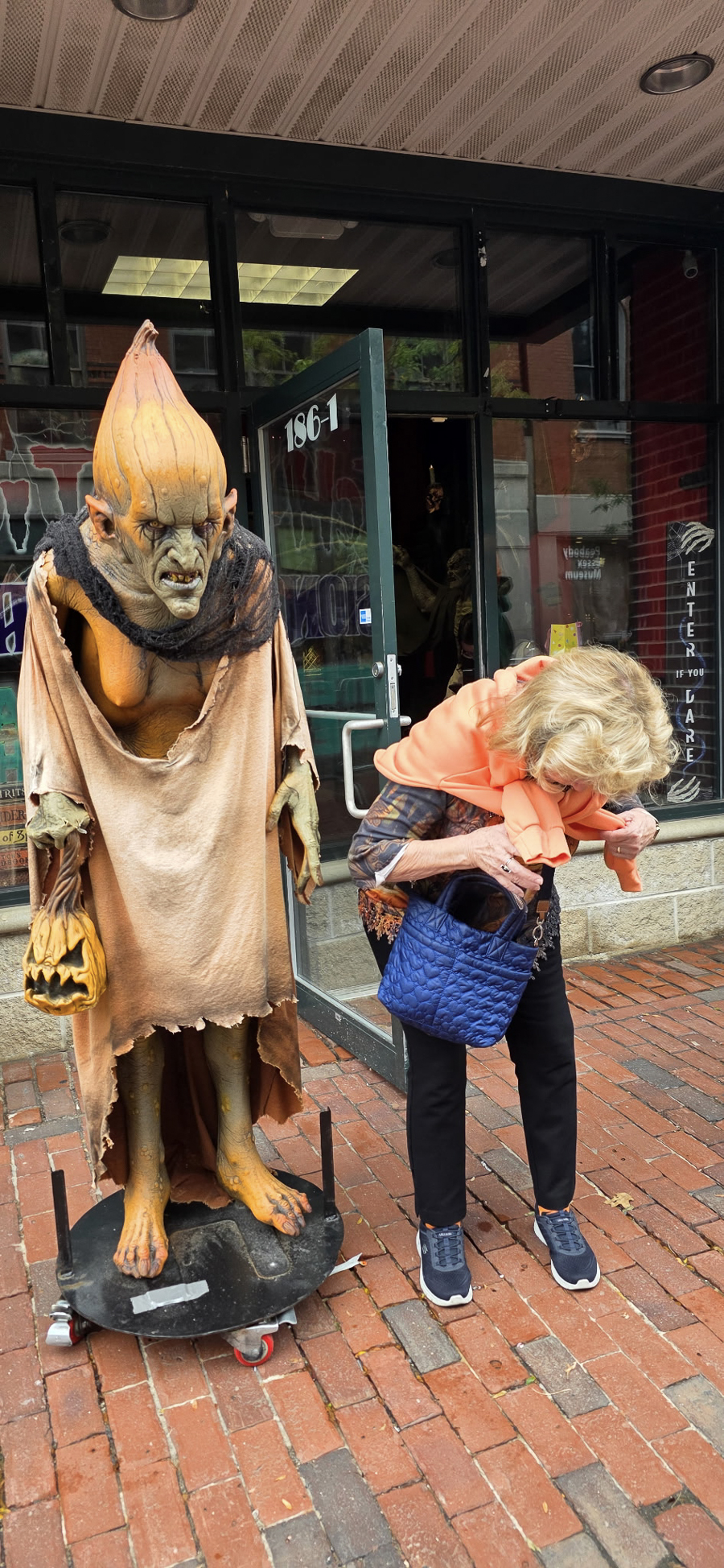
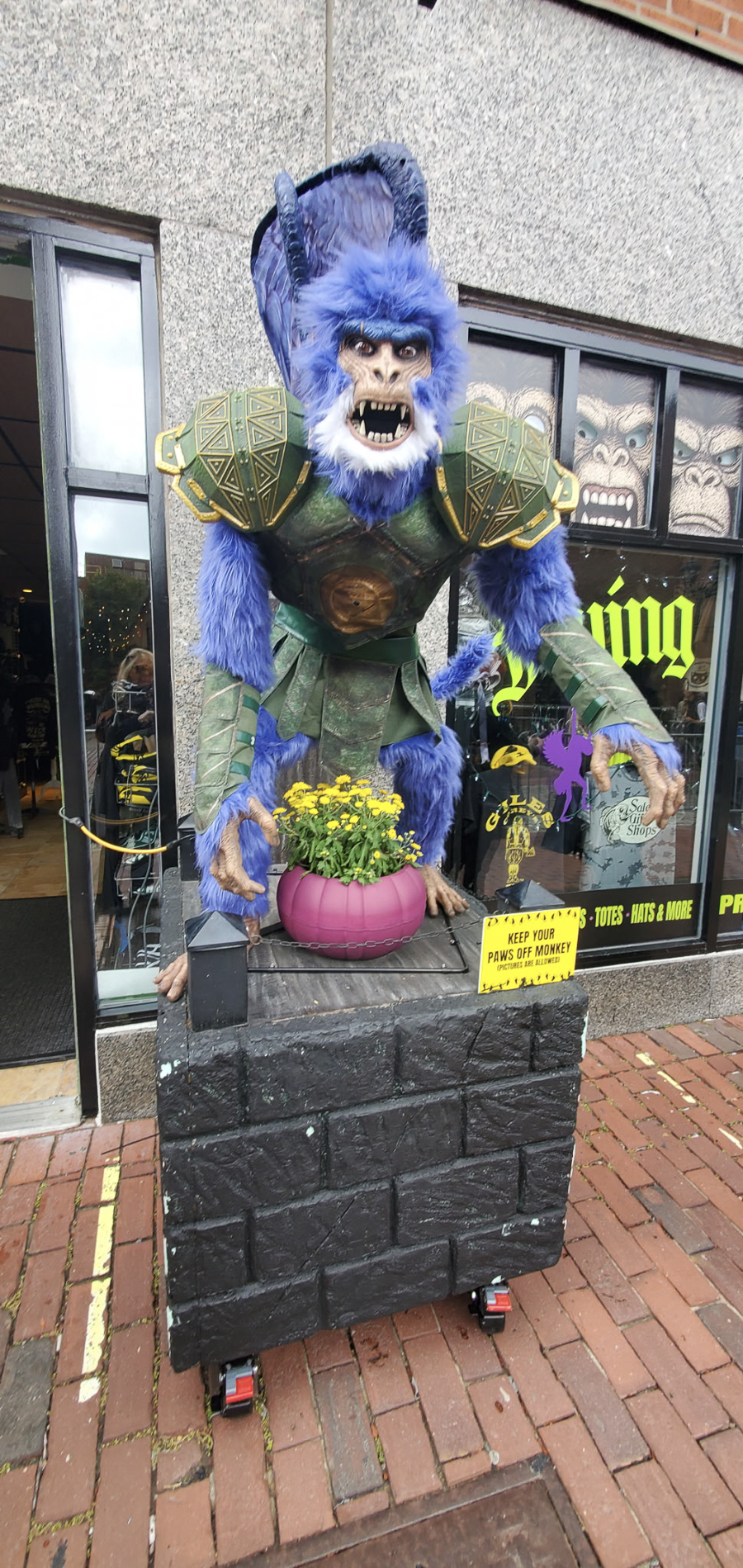
Eek!!
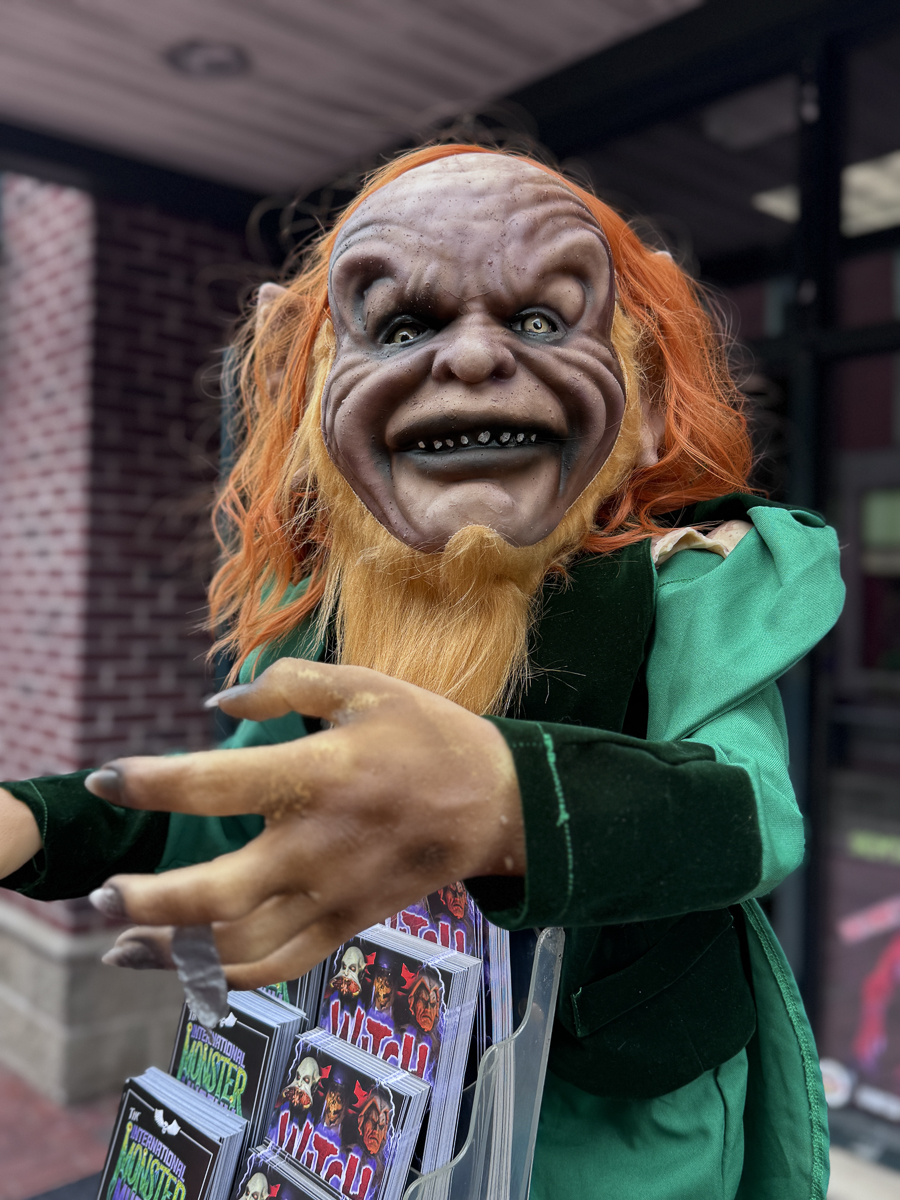
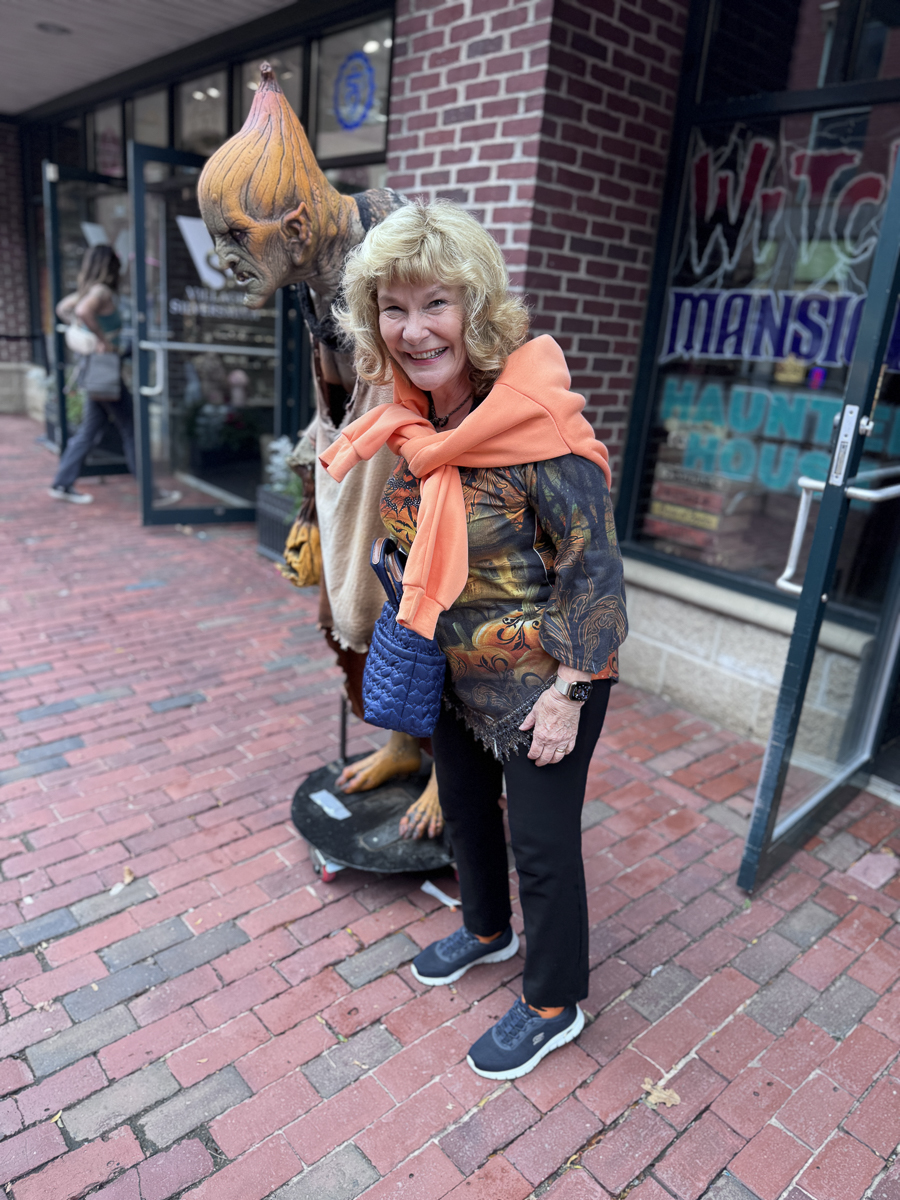
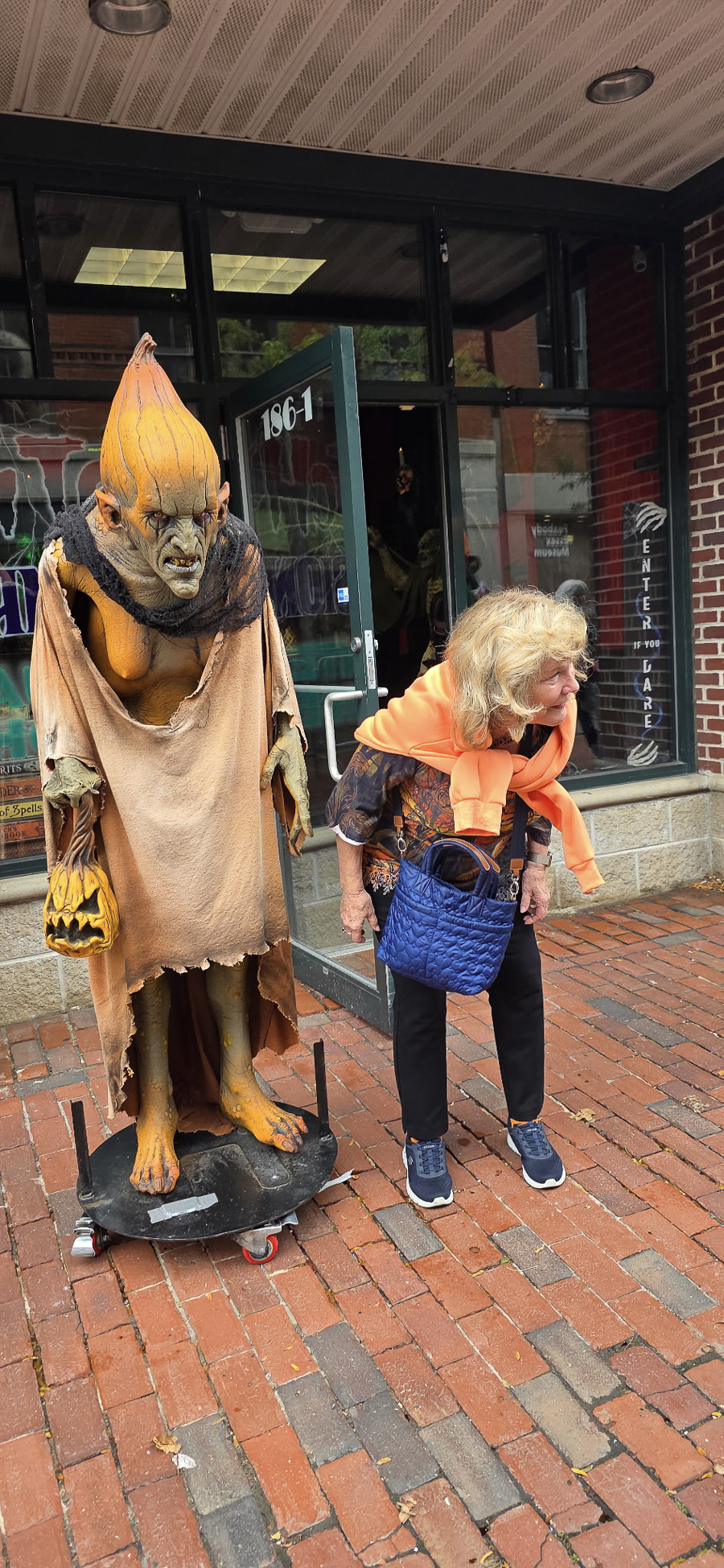
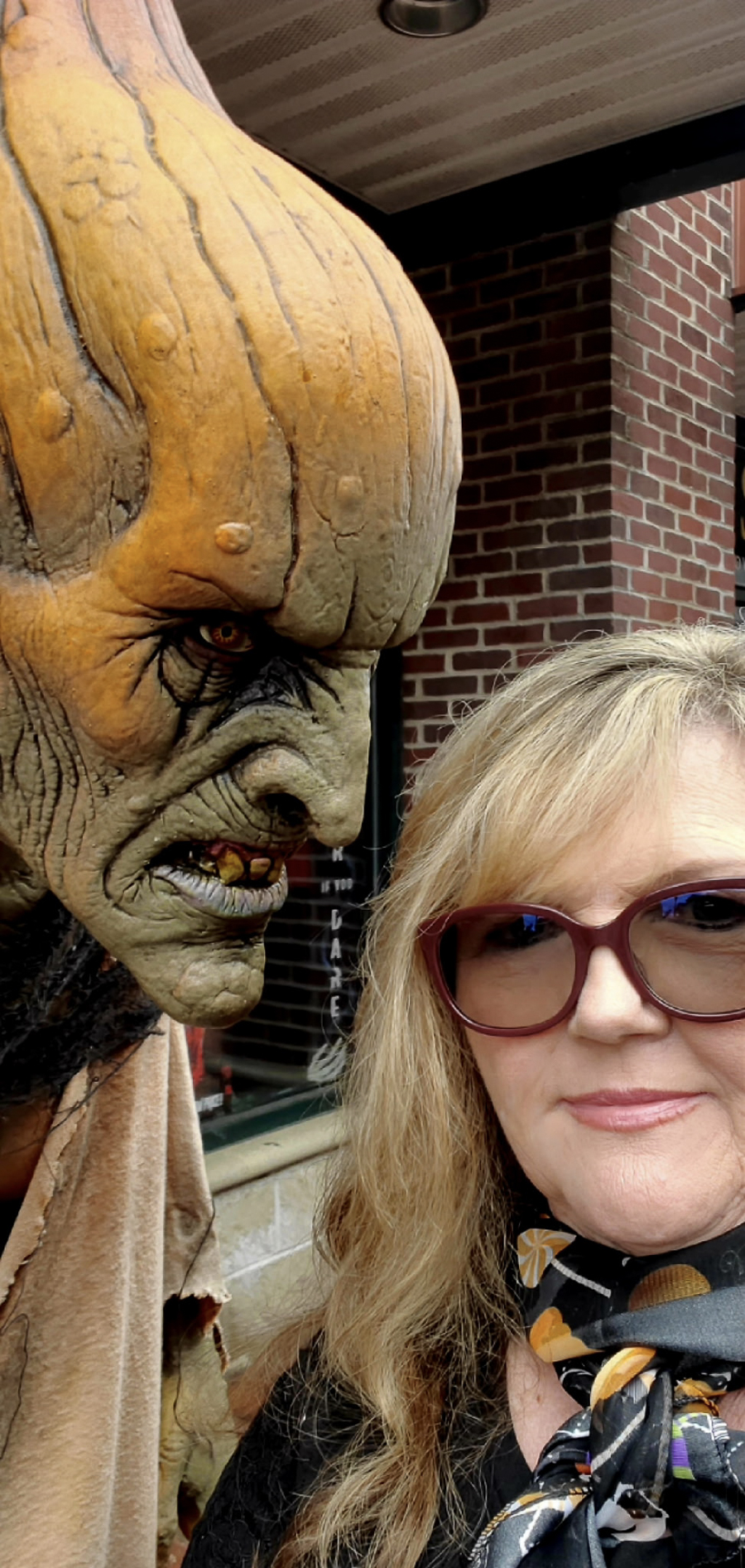
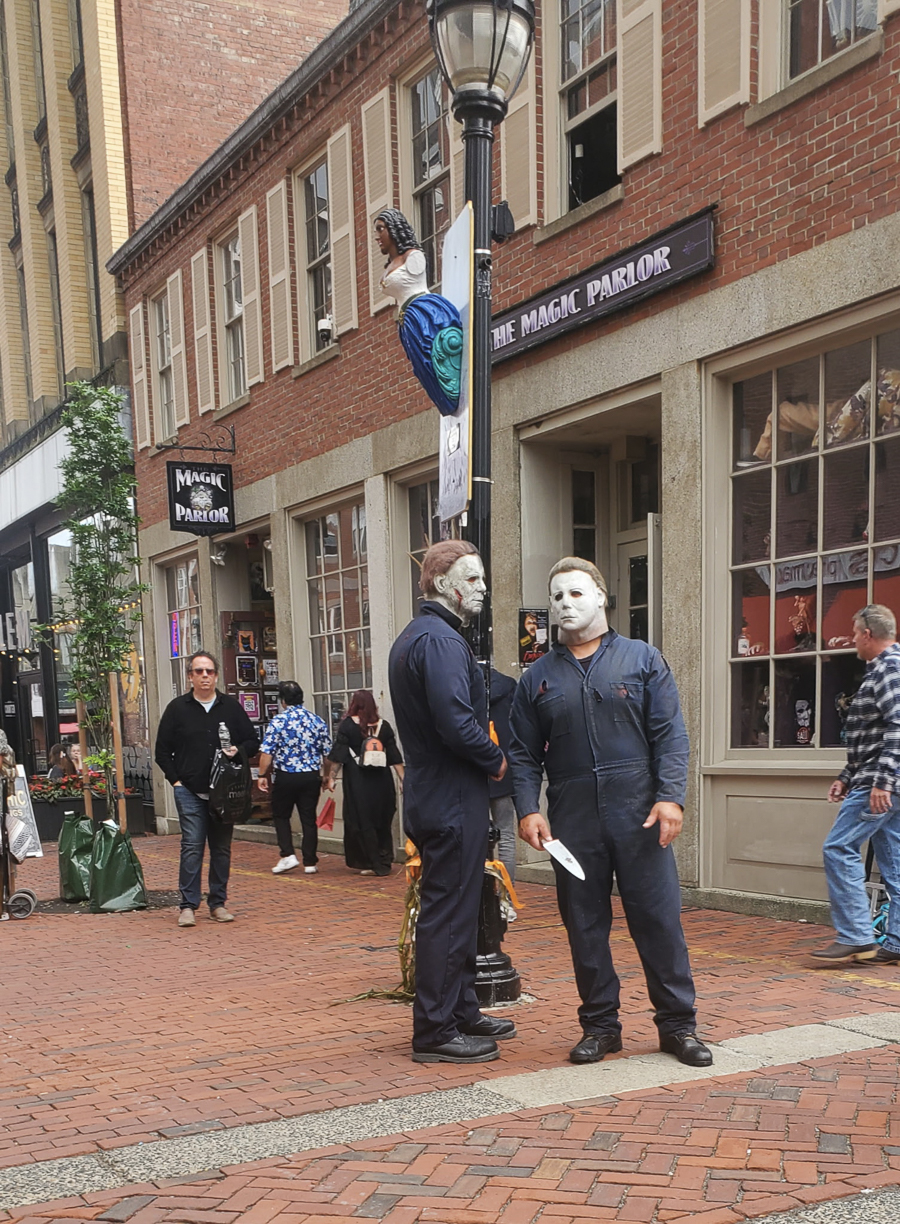
Who is scarier?
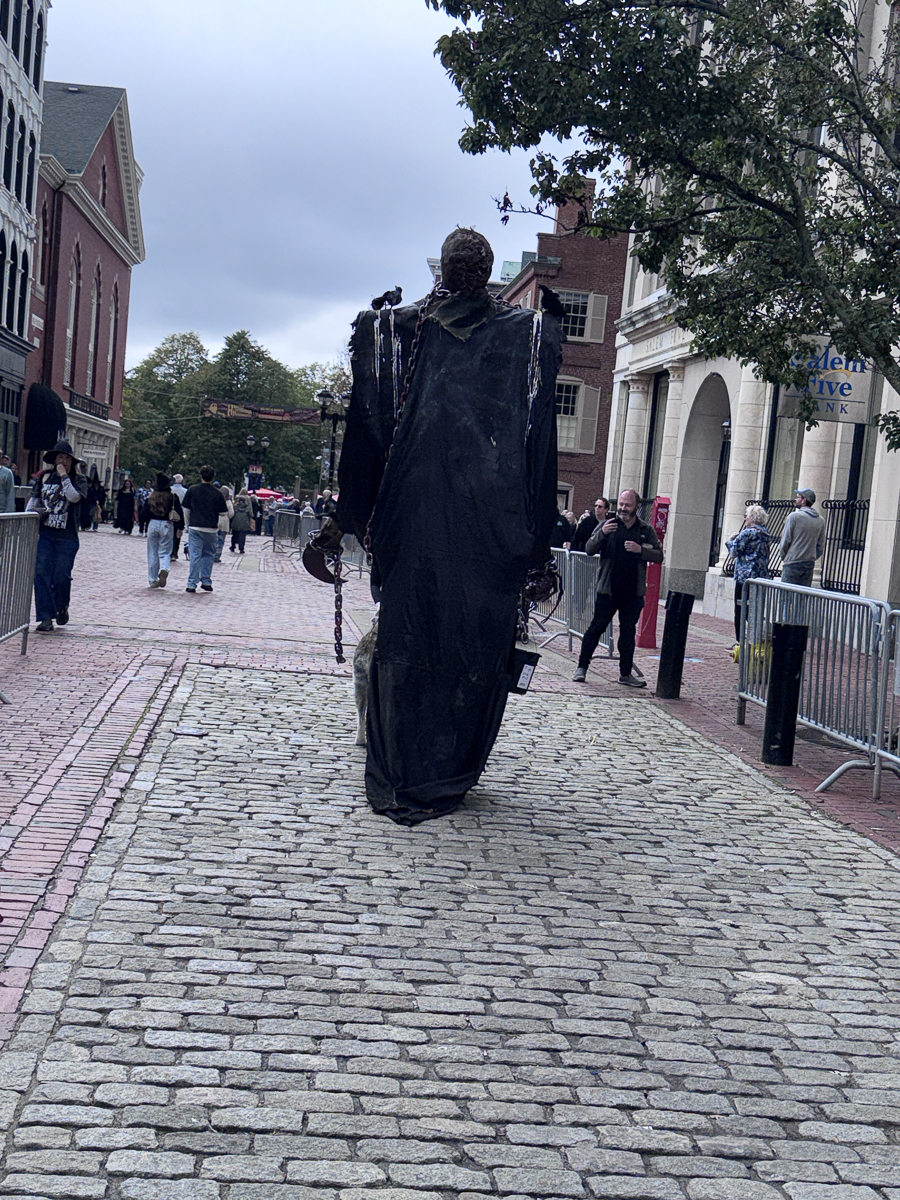
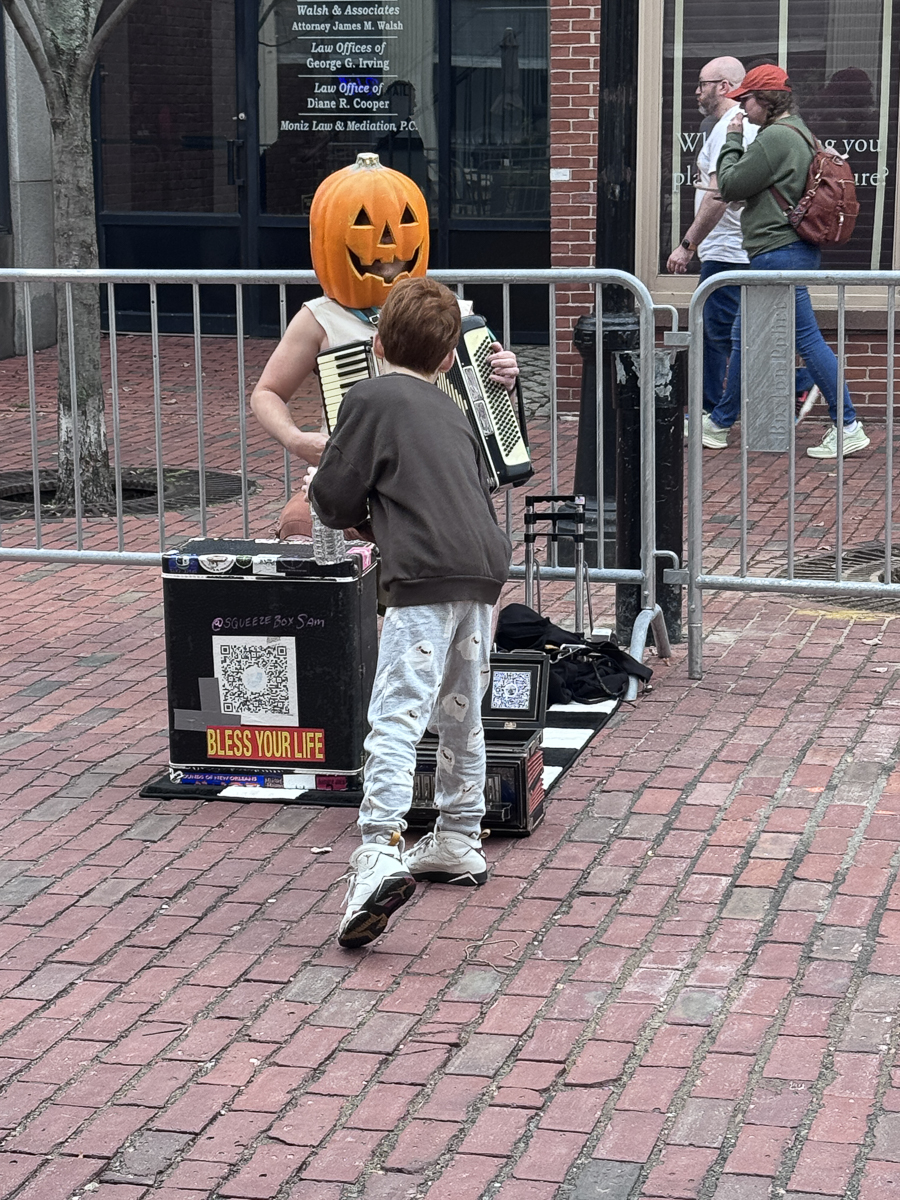
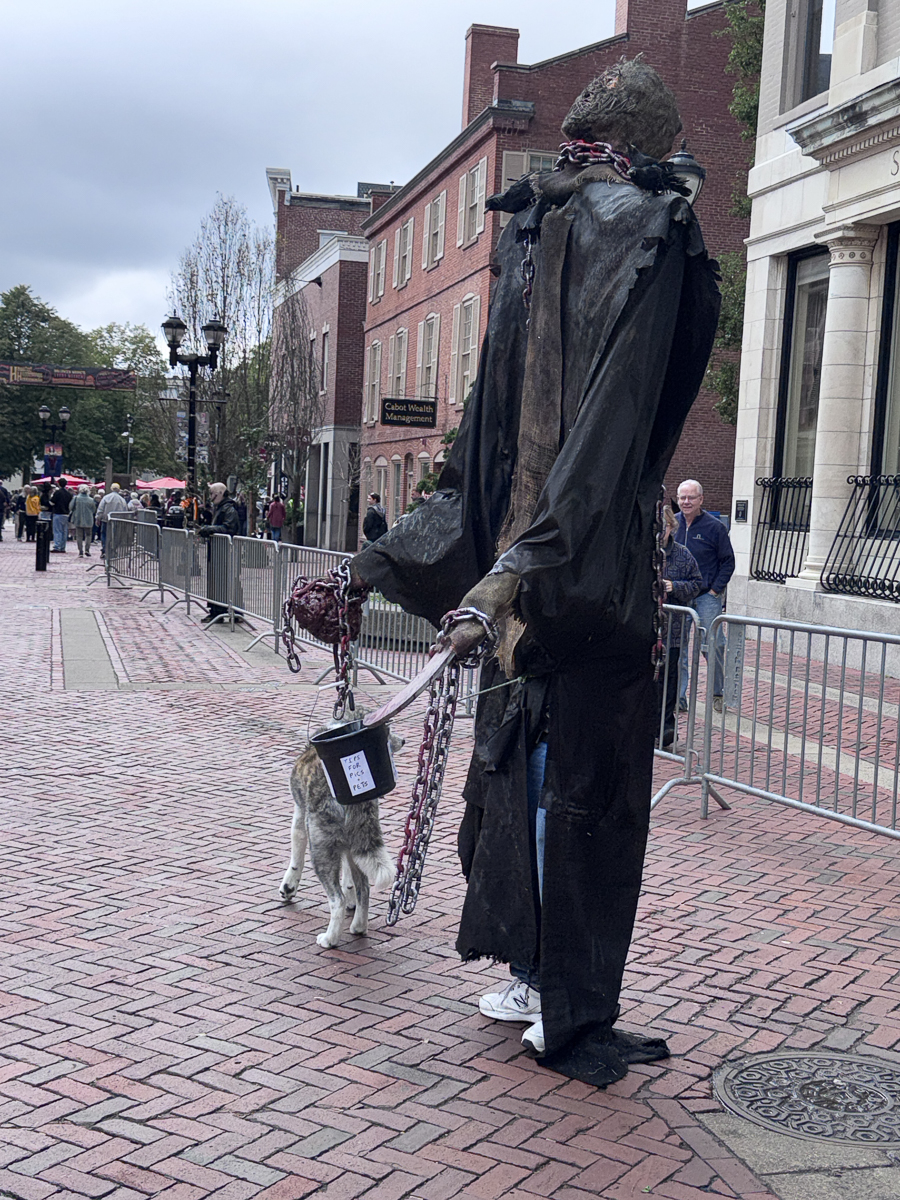
The monster and his dog walked back and forth visiting people

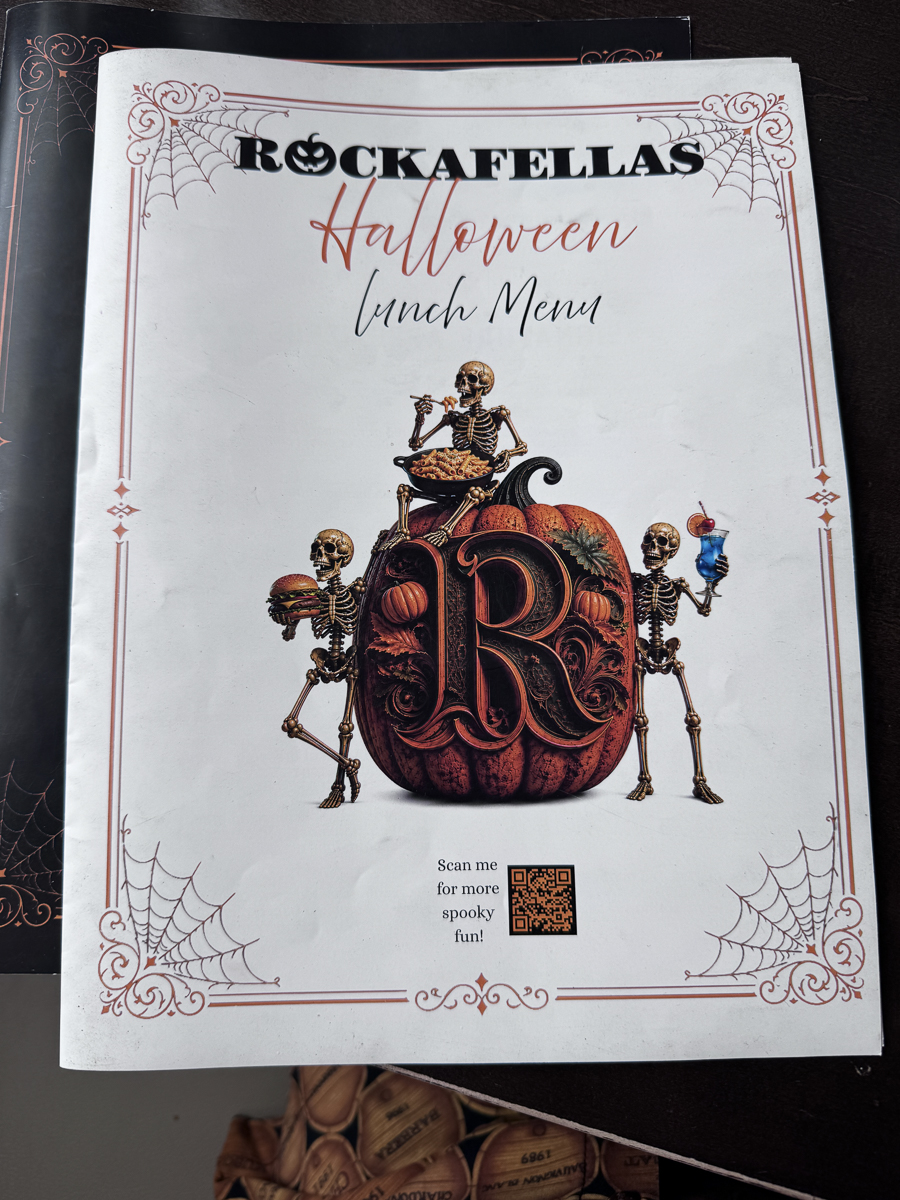
Rockafellas is a restaurant and bar at 231 Essex Street in downtown Salem, Massachusetts, close to the Essex Street pedestrian mall. It's a modern dining spot set in a historic downtown building; the restaurant is best known for its lively atmosphere rather than for being a long-established historic institution itself.
The menu focuses on American and New England-style fare, with options such as burgers, sandwiches, seafood, and drinks. Rockafellas is also known for its bar and live entertainment, and it can get especially busy during Salem's Halloween season.
In short: a casual, energetic place for a meal or drinks in the heart of Salem, with a historic downtown setting. Check ahead for current hours, entertainment, and seasonal menus.
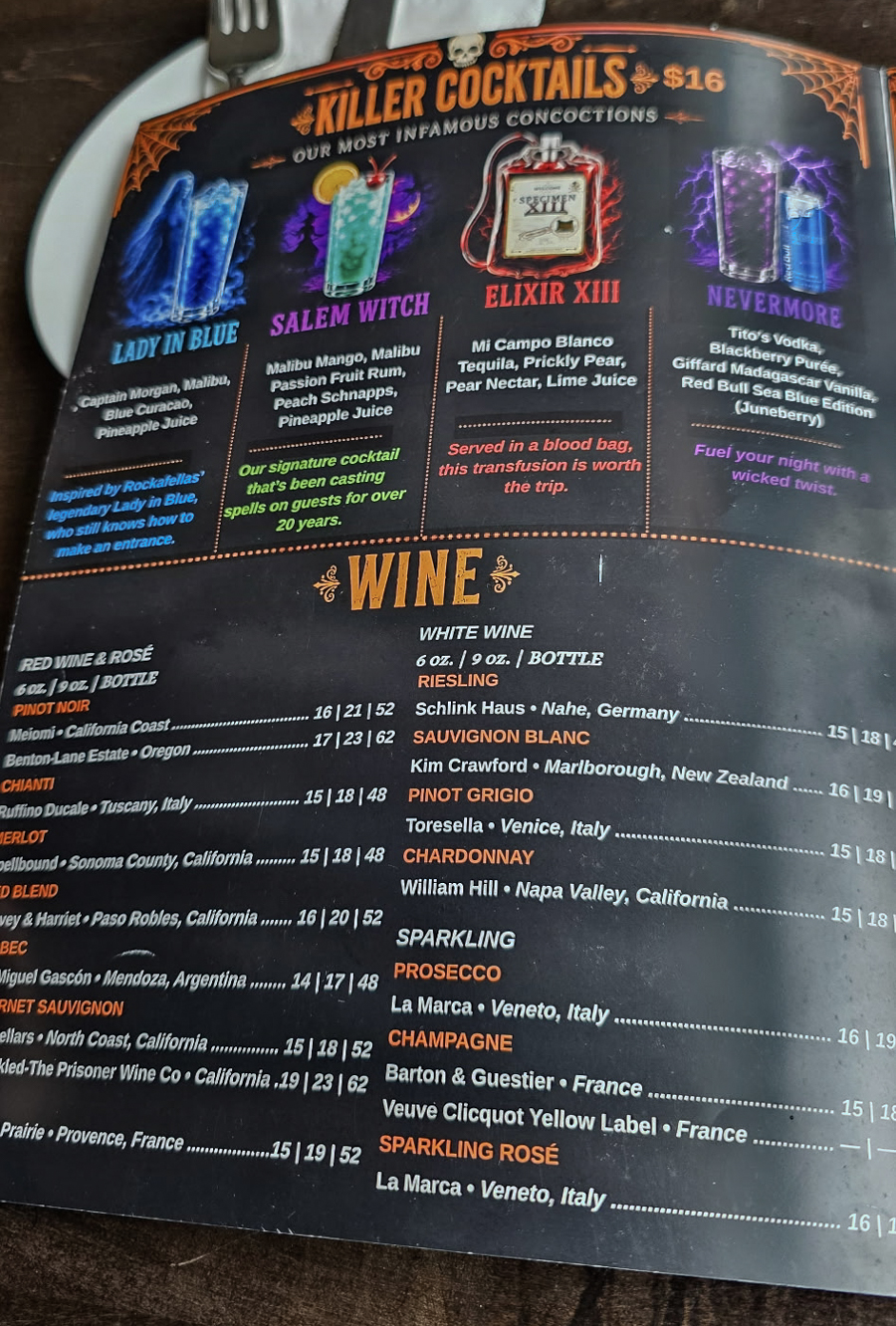
We tried several of these!!!
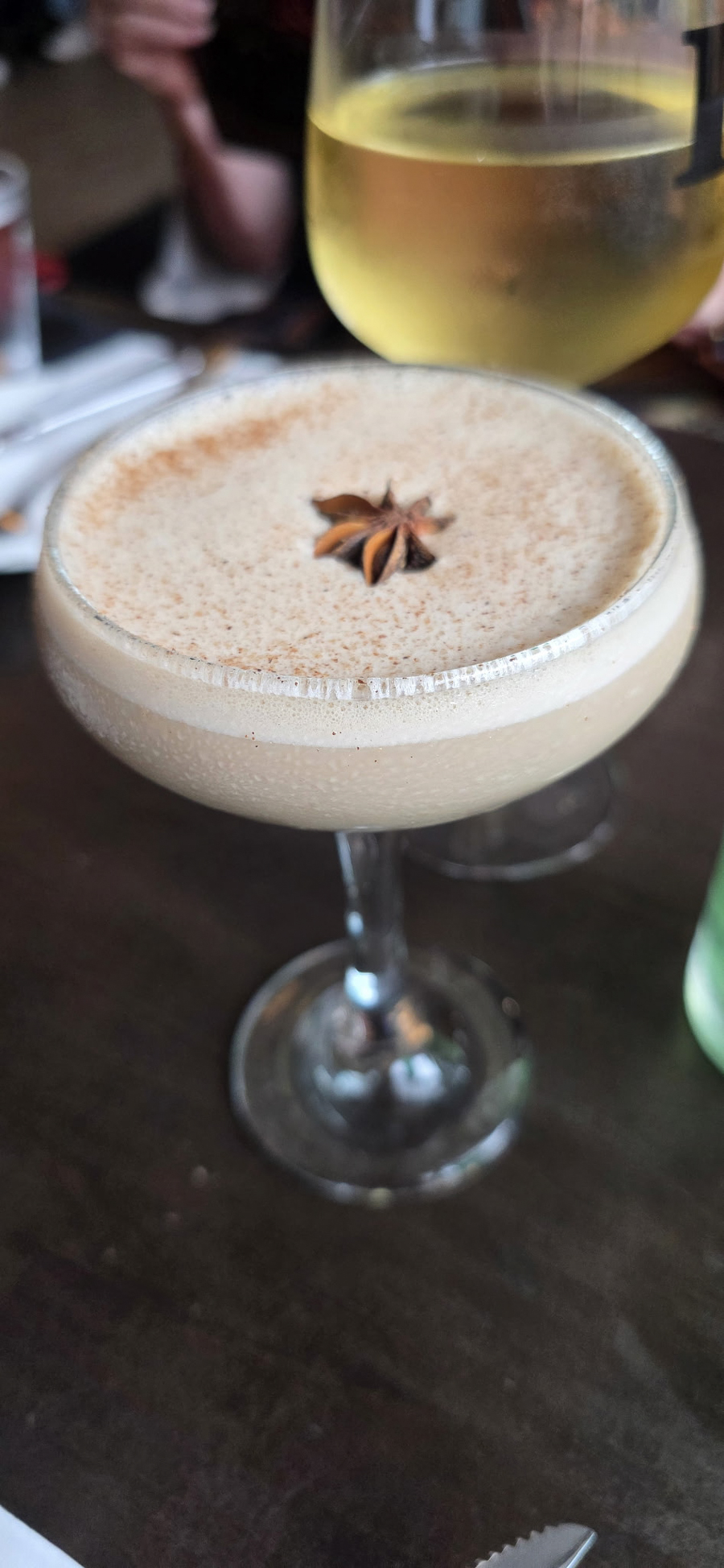
Amazing drinks!
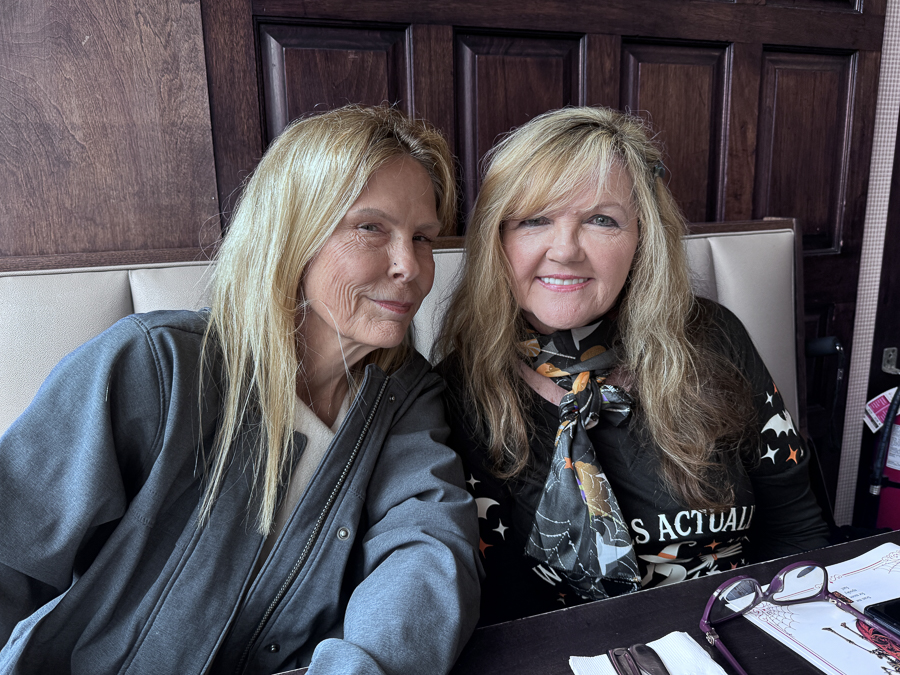
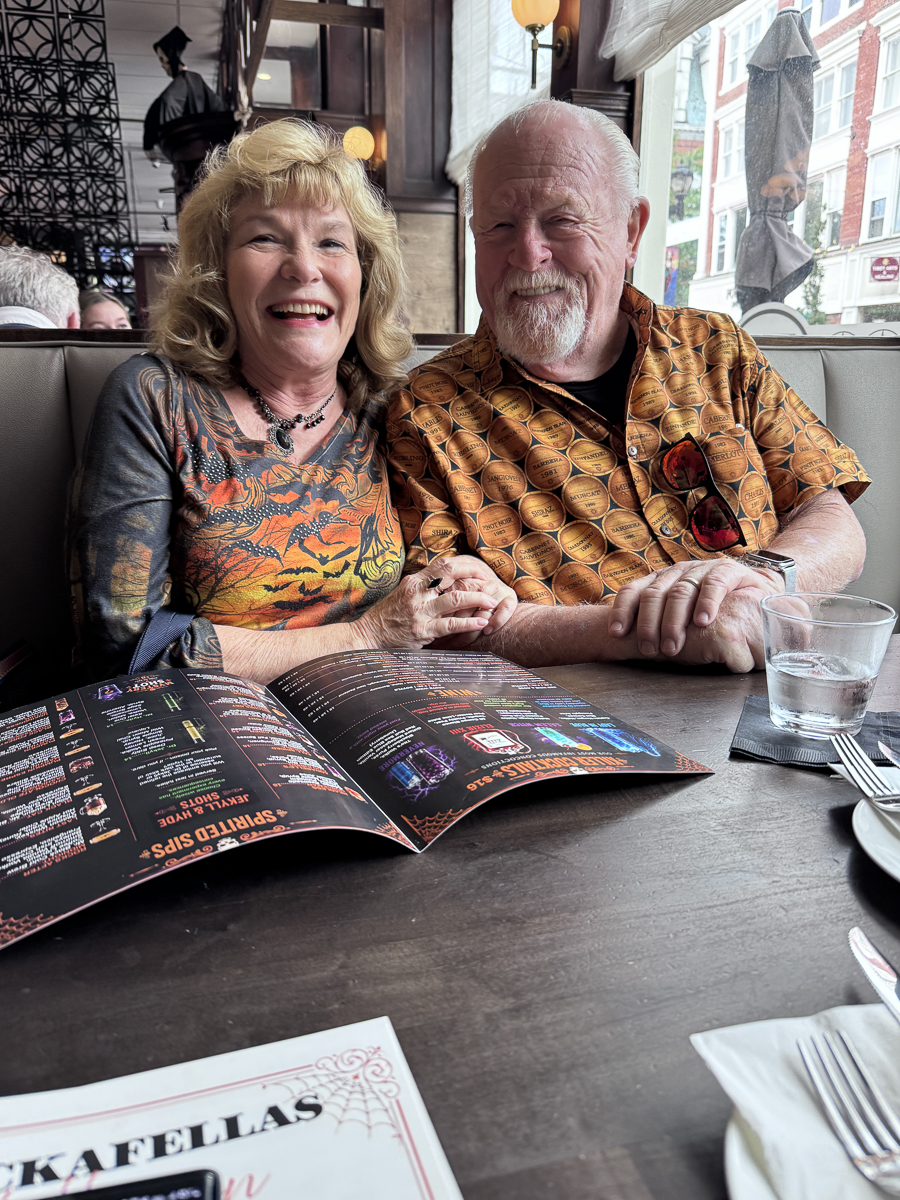
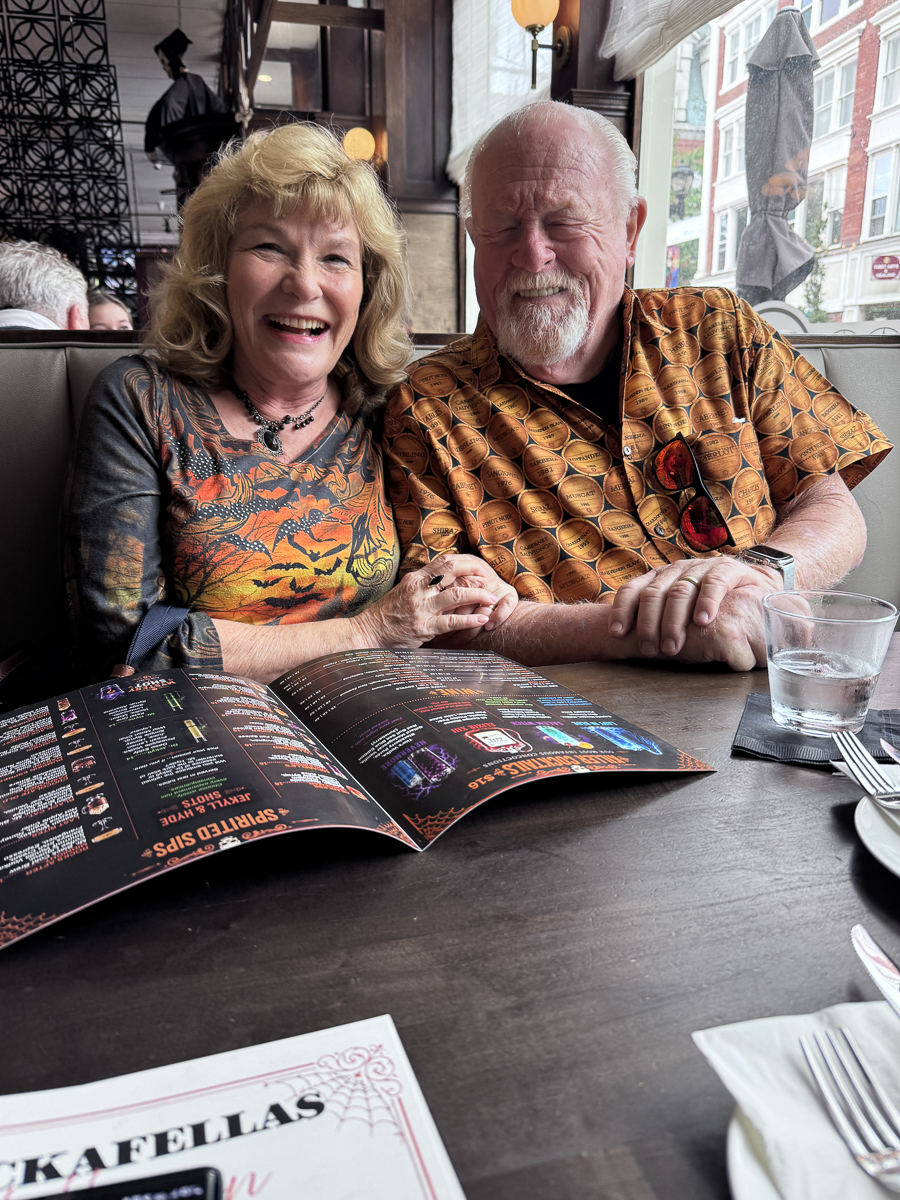
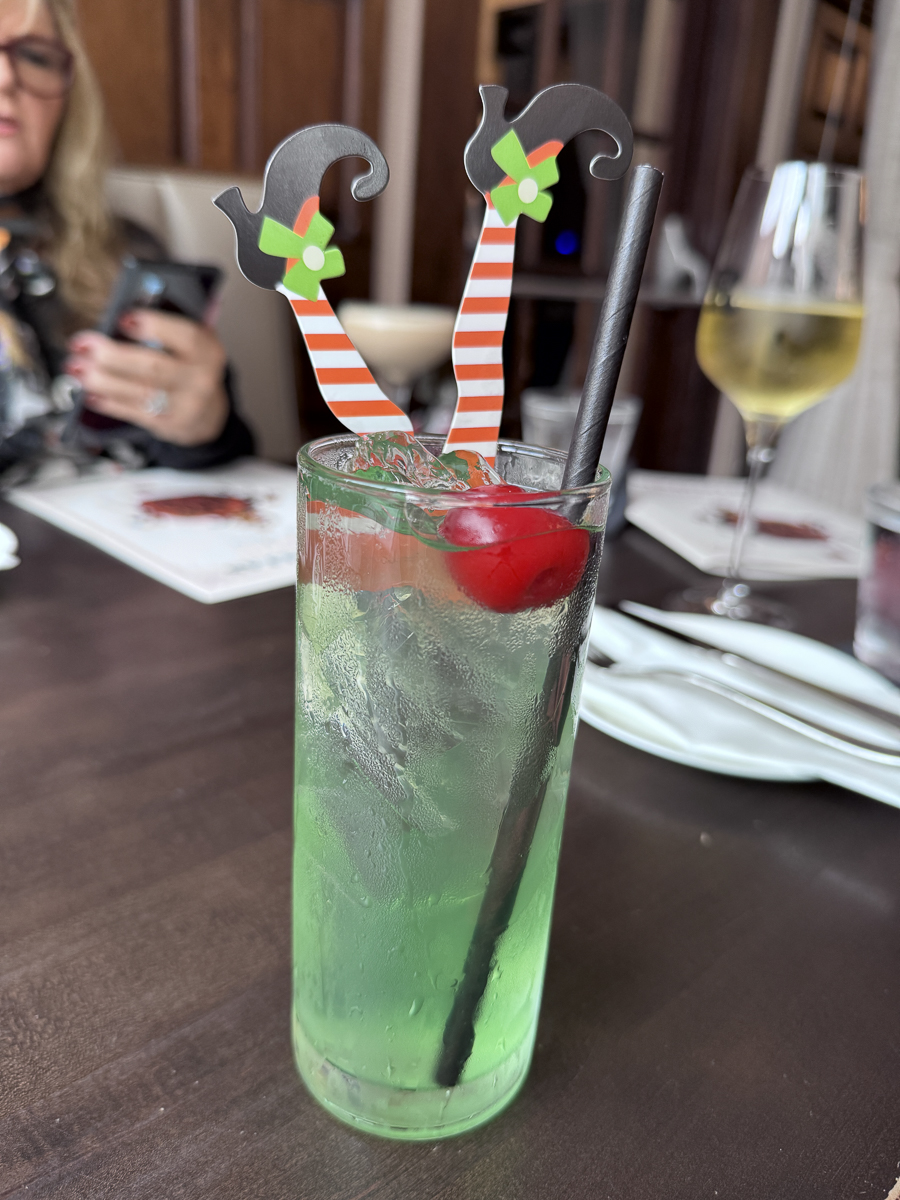
I ordered it and it was good!
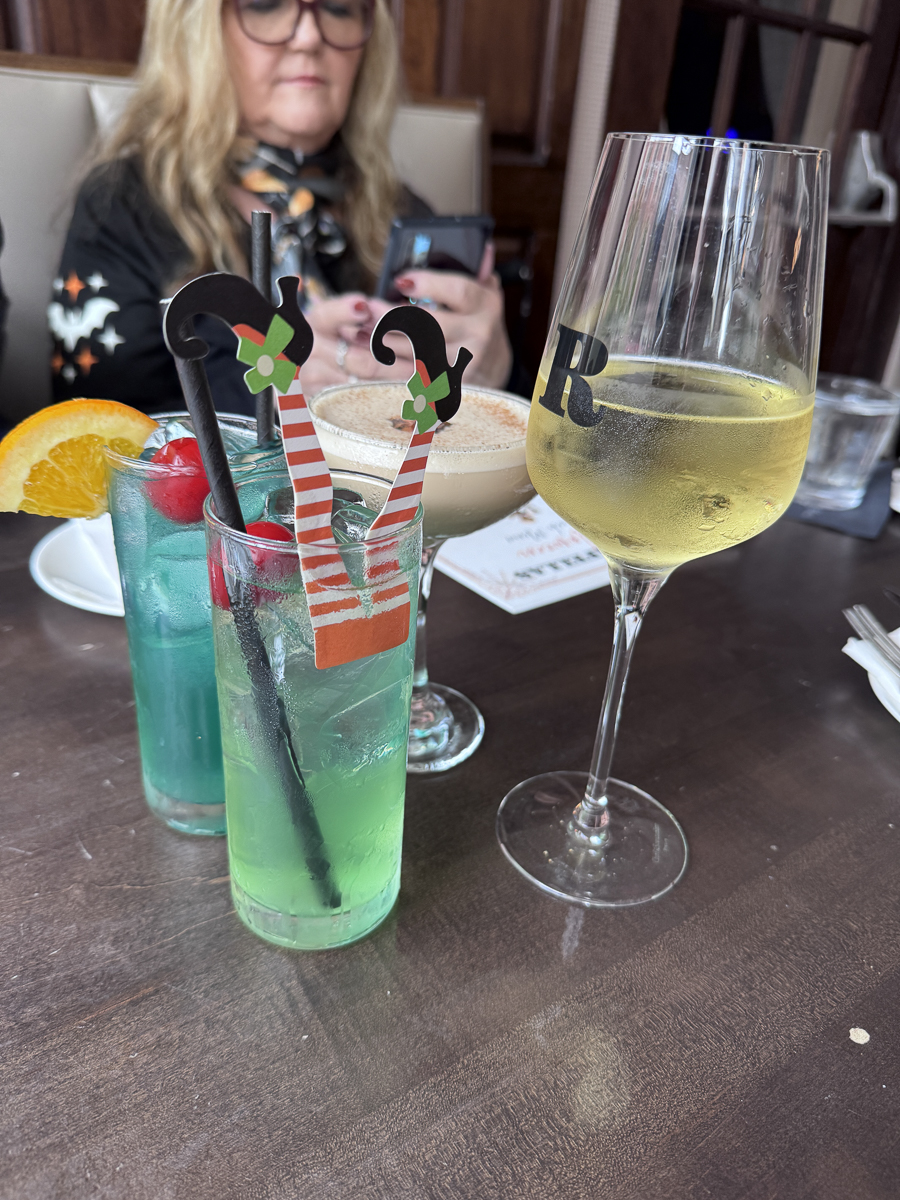
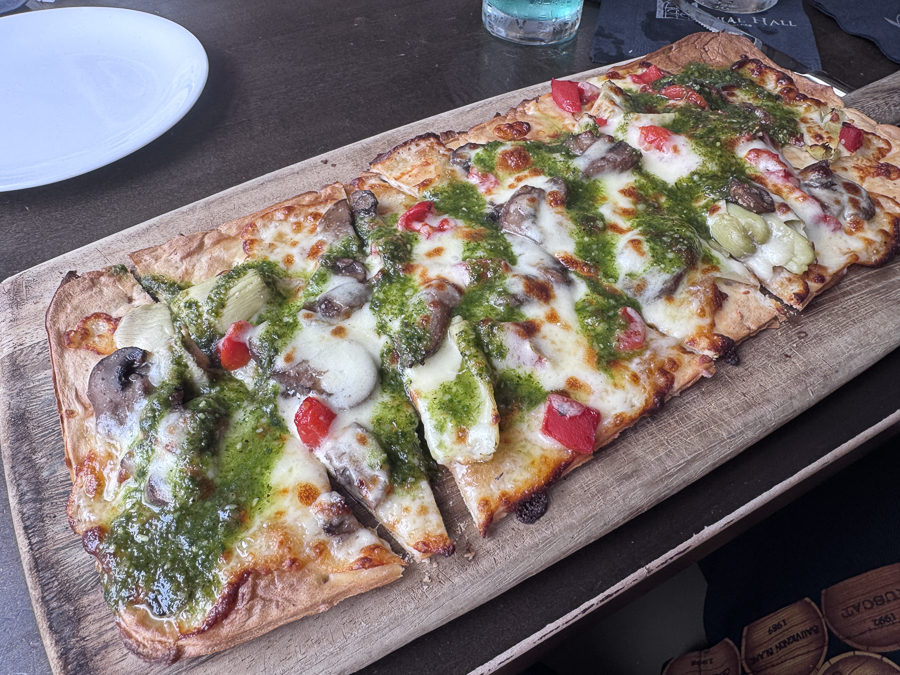
The flat breads were terrific.
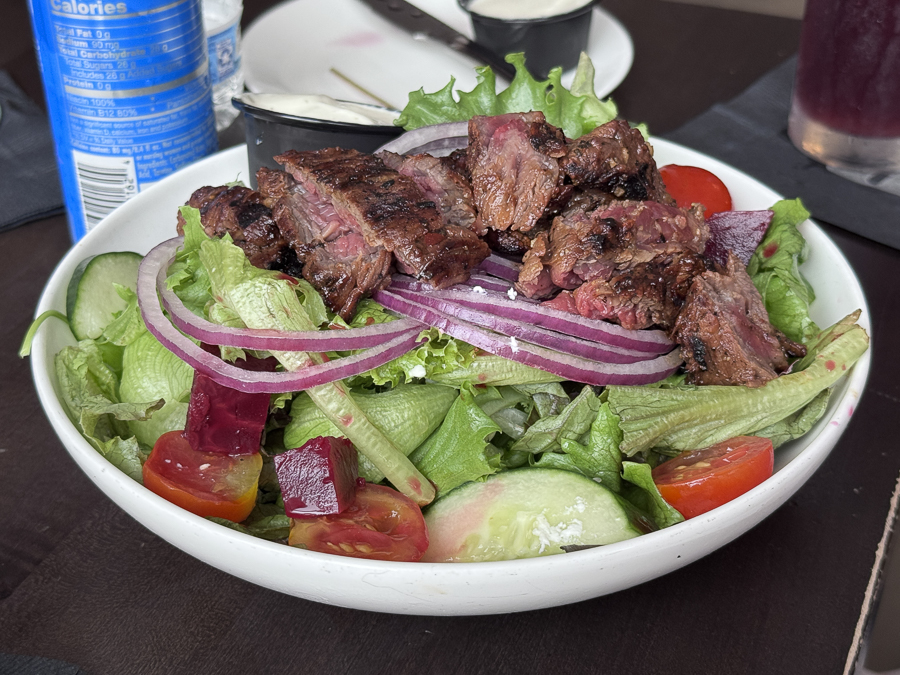
I got Mary's onions
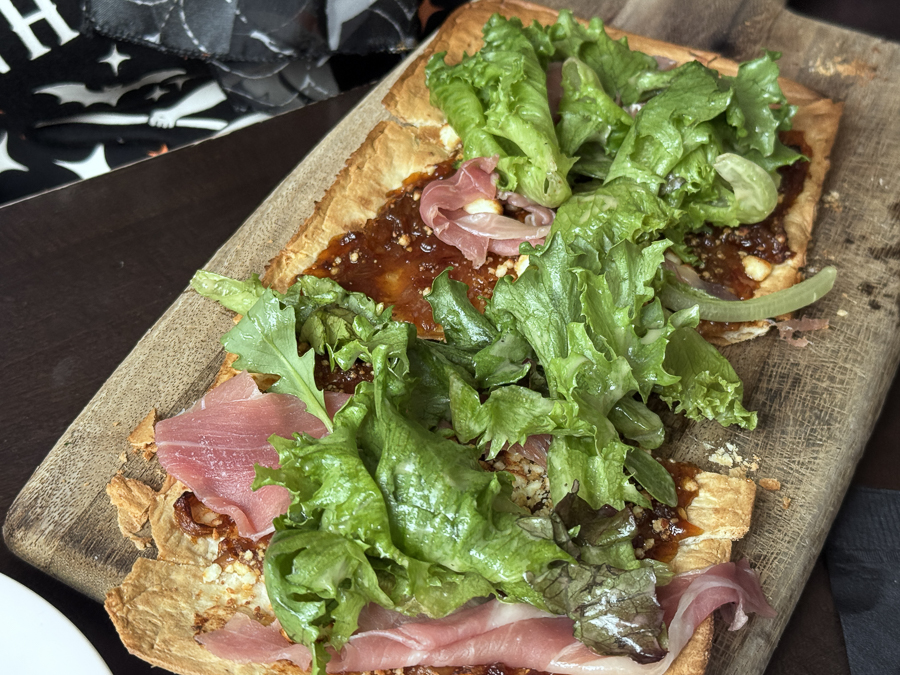
Robin enjoyed her salad
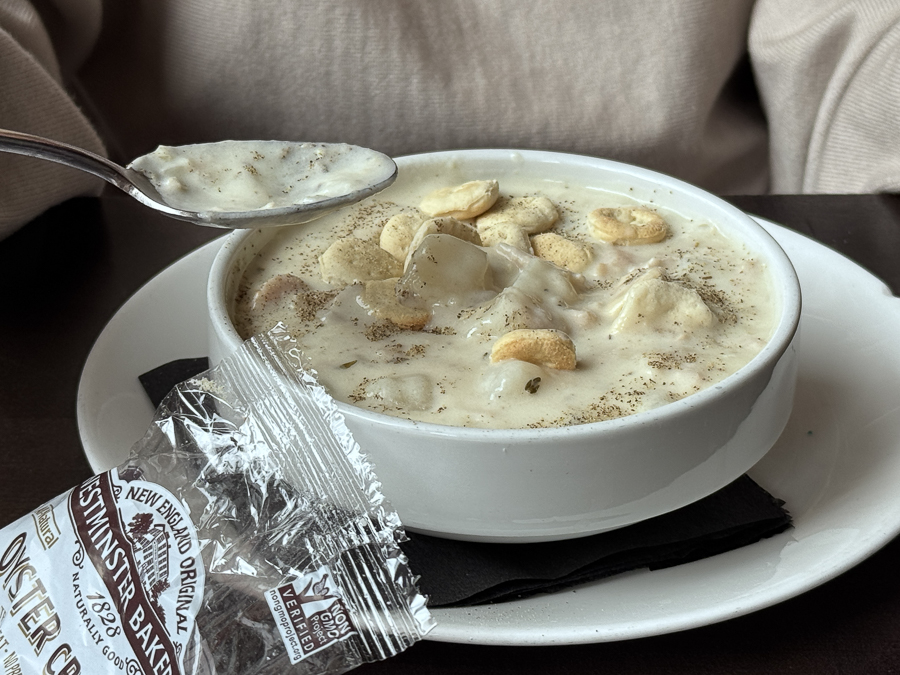
Clam chowder was mandatory!
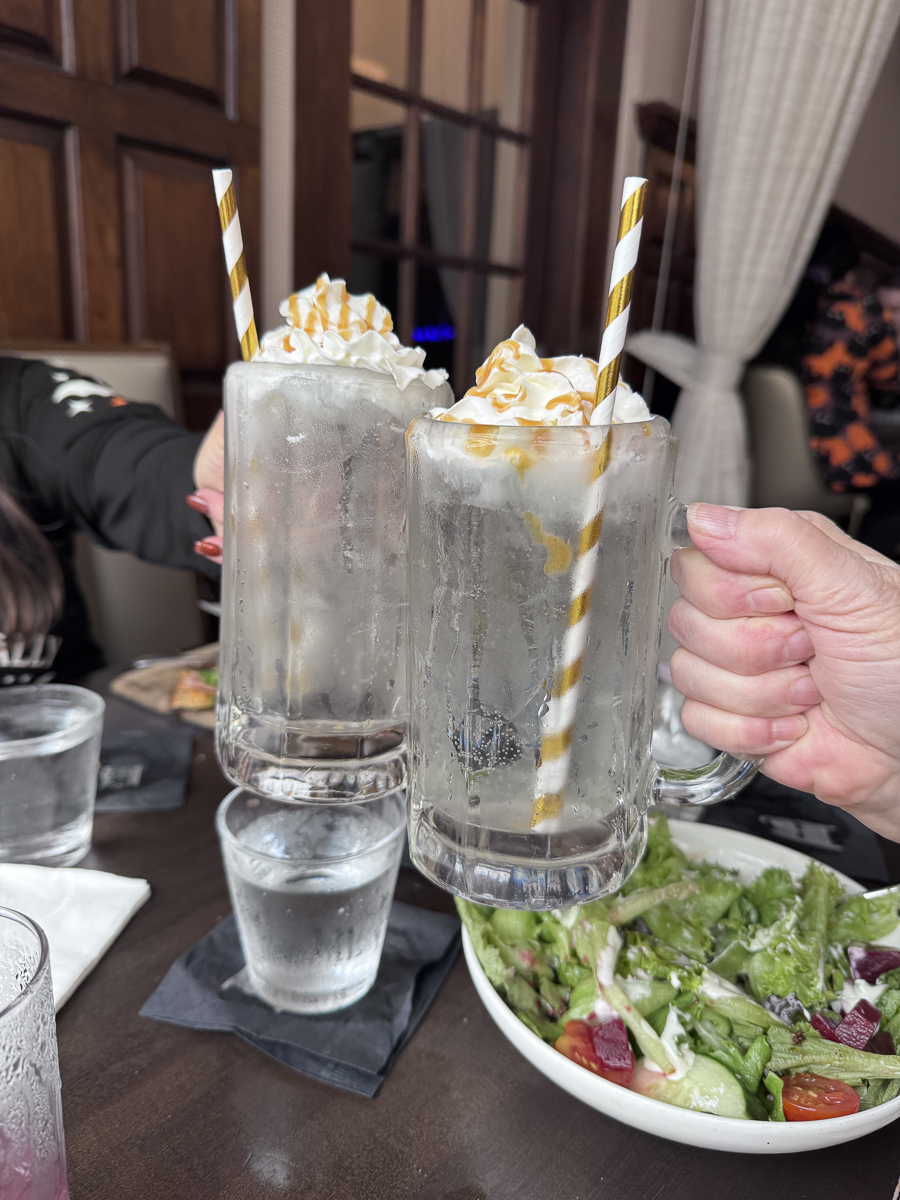
Butter beer!
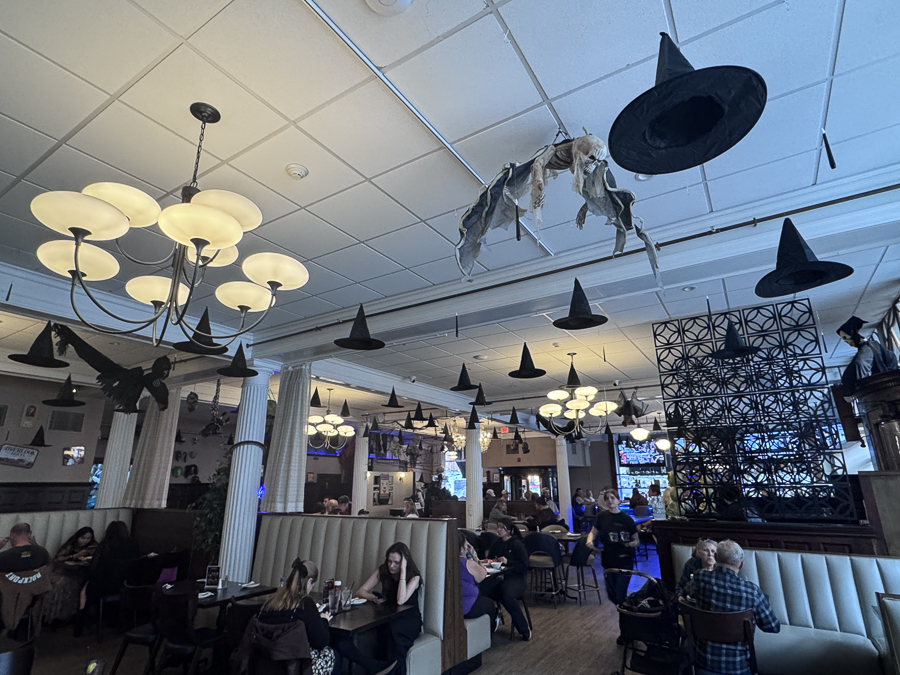
The ceiling was also decorated!