Memories Come Alive
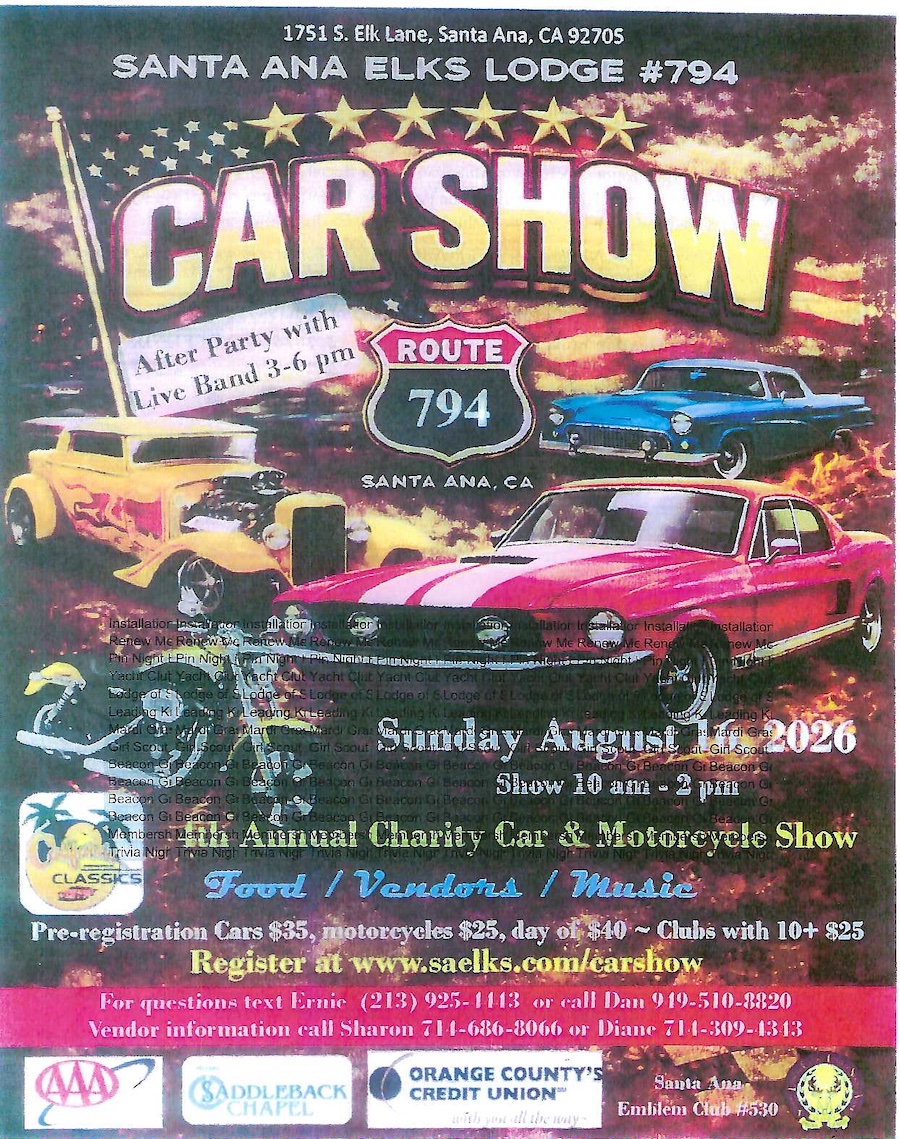
It's summer time and the Elks had its 4th annual car show! Great fun with music, shops, and a lot of car!!

In Summary: We drove to the Santa Ana Elks Lodge in our tiny old Lexus, which I insist was "practically a classic" because the radio only played one station and the glove box opened during left turns.
At the car show, shiny Chevys, Fords, and Cadillacs sparkled under the sun. Mary admired a cherry-red '57 Chevy. "This baby has original chrome," said an owner proudly. Paul nodded and replied, "My car has original crumbs." I admired the hot dog stand.
Then the lodge announcer called for contestants in the "Best Engine Roar" contest. Before anyone could stop me, I sprinted to our Lexus, turned the key, and it produced a sad cough, two squeaks, and a noise like a kazoo falling down stairs.
The crowd went silent. Then Mary clapped. "Very rare sound package!" she shouted.
Everyone burst out laughing, and the judges awarded us a special trophy: "Most Likely to Need a Ride Home."
Mary bought me a hot dog. As we left, the glove box popped open, launching napkins everywhere. "See?" Paul said. "Air conditioning." Mary sighed. "Next year, we're bringing a classic car."


The weather was not too bad today!!!

When one needs to have an overflow container, what better use of a Jack Daniels bottle can there be??? The fluid colors match perfectly.
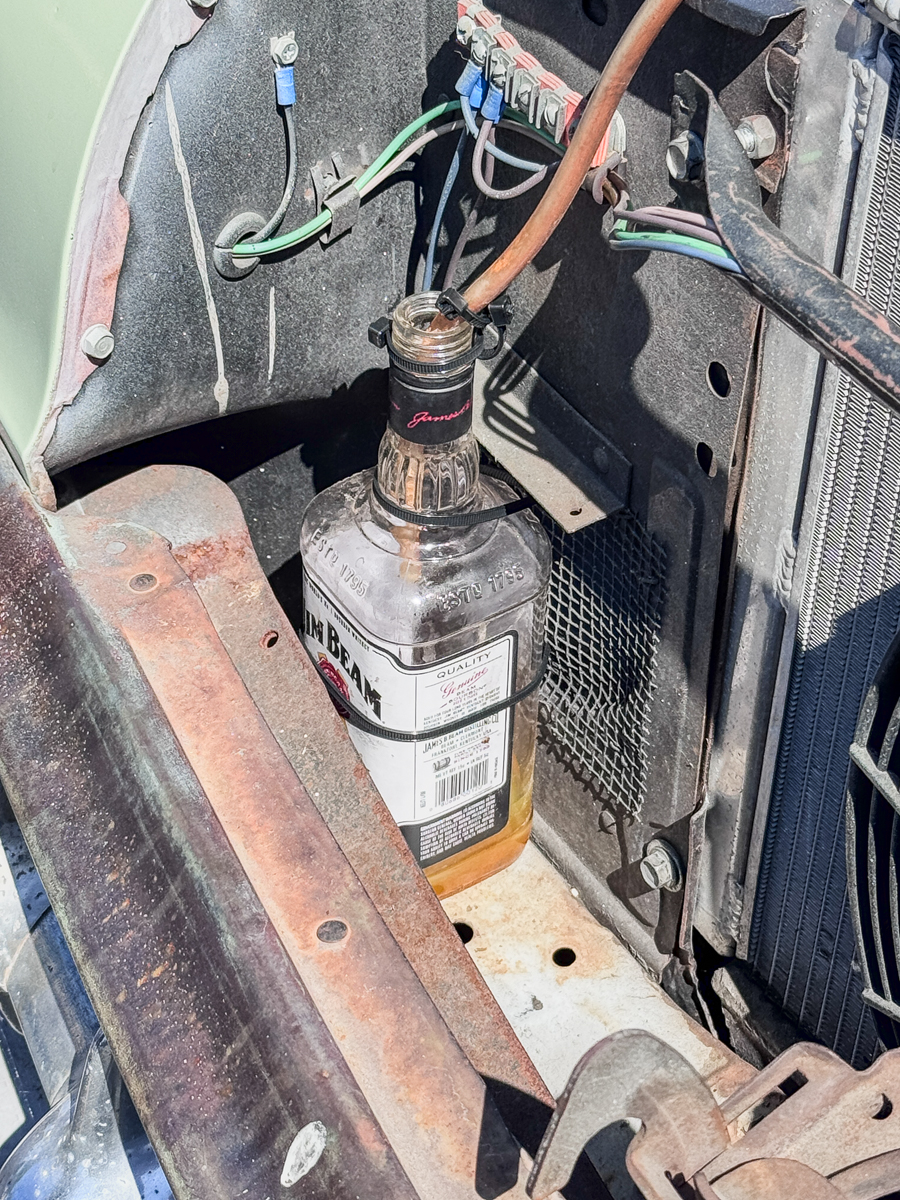
110% proof!!!
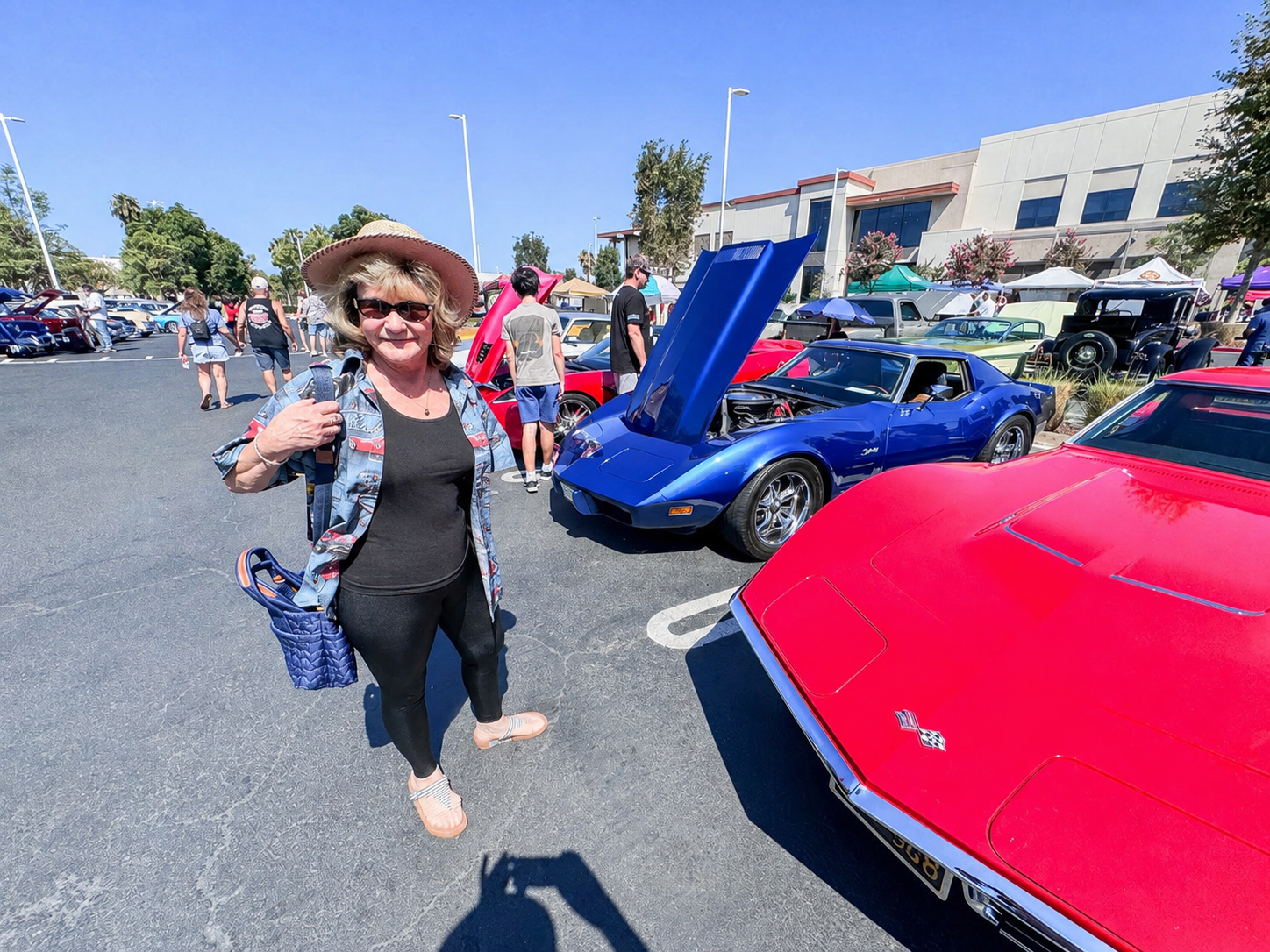
She is off and running!
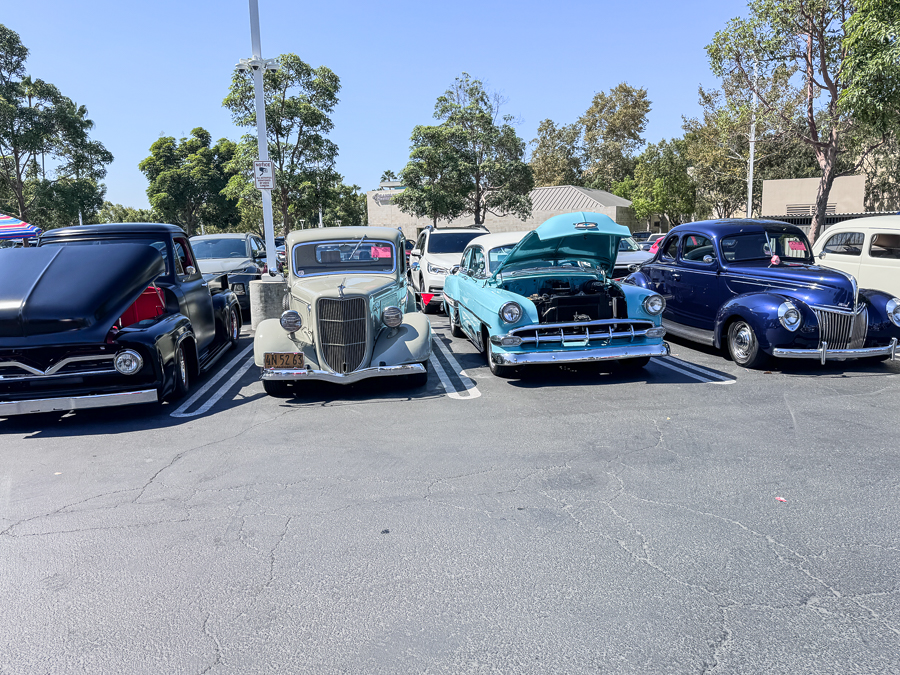
All lined up... 140 cars today!!!
The DeLorean car, officially the DeLorean DMC-12, was a short-lived sports car built by the DeLorean Motor Company in Northern Ireland.
It was created by John DeLorean, a former General Motors executive, and went into production in 1981. The car was famous for its stainless-steel body panels, gullwing doors, and futuristic wedge-shaped design by Giorgetto Giugiaro.
Despite its striking looks, the DMC-12 had modest performance from its V6 engine, and the company faced financial problems, quality issues, and poor sales. Production ended in 1982, with about 9,000 cars built.
The DeLorean became far more famous after appearing as the time machine in the Back to the Future movies, turning it into a pop-culture icon.
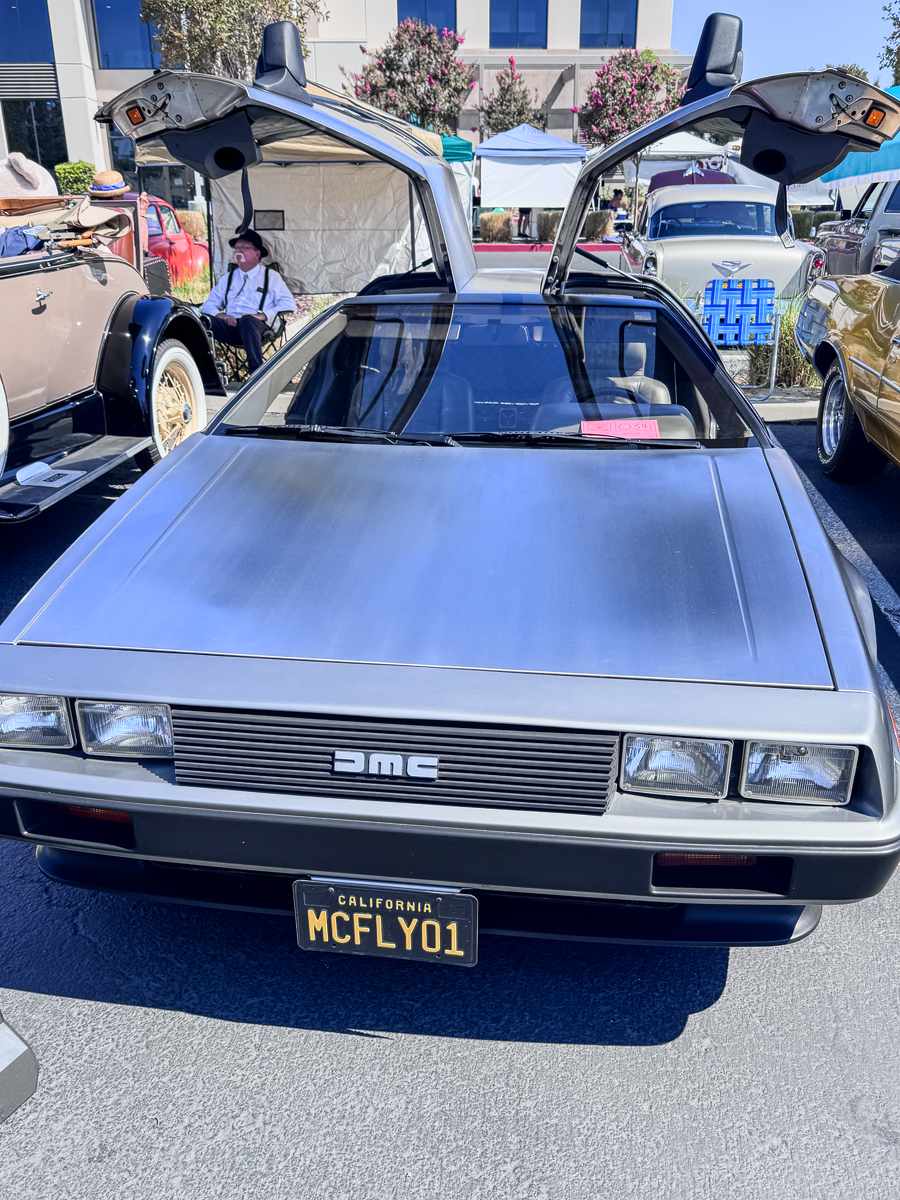
Where is McFly???
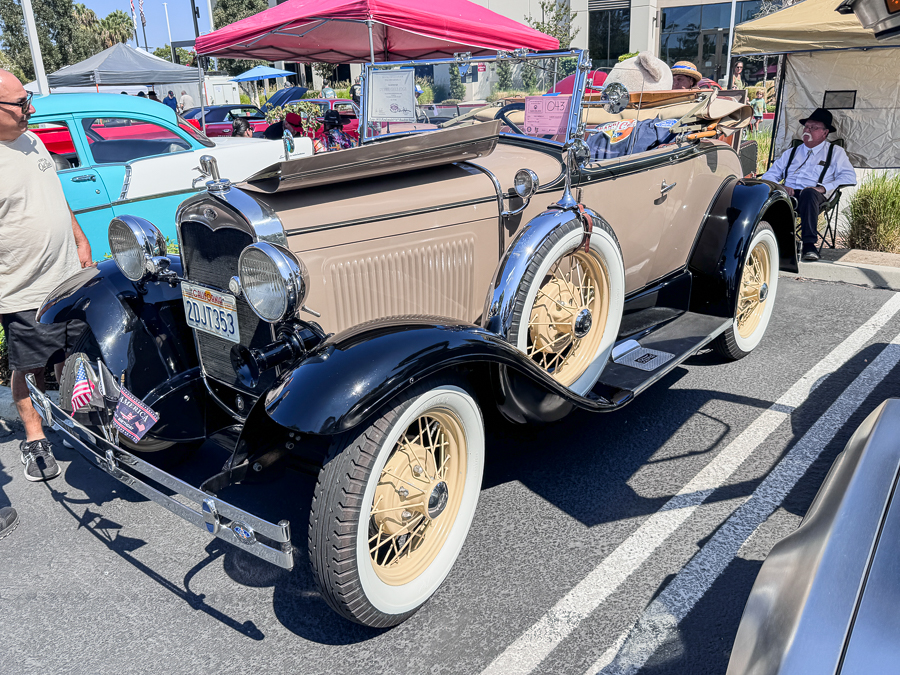
First of the classics!
The Chevy Nomad was a stylish Chevrolet station wagon best known from the 1955–1957 "Tri-Five" era.
It began as a 1954 Corvette-based concept car, then became a production model in 1955 on the Bel Air platform. The Nomad stood out with its two-door wagon body, slanted rear pillars, chrome trim, and sporty look.
Despite its popularity today, it was expensive and sold in low numbers, so Chevrolet ended the original two-door Nomad after 1957. The Nomad name continued later on more conventional Chevy wagons, but the 1955–57 Nomads remain the most famous and collectible.
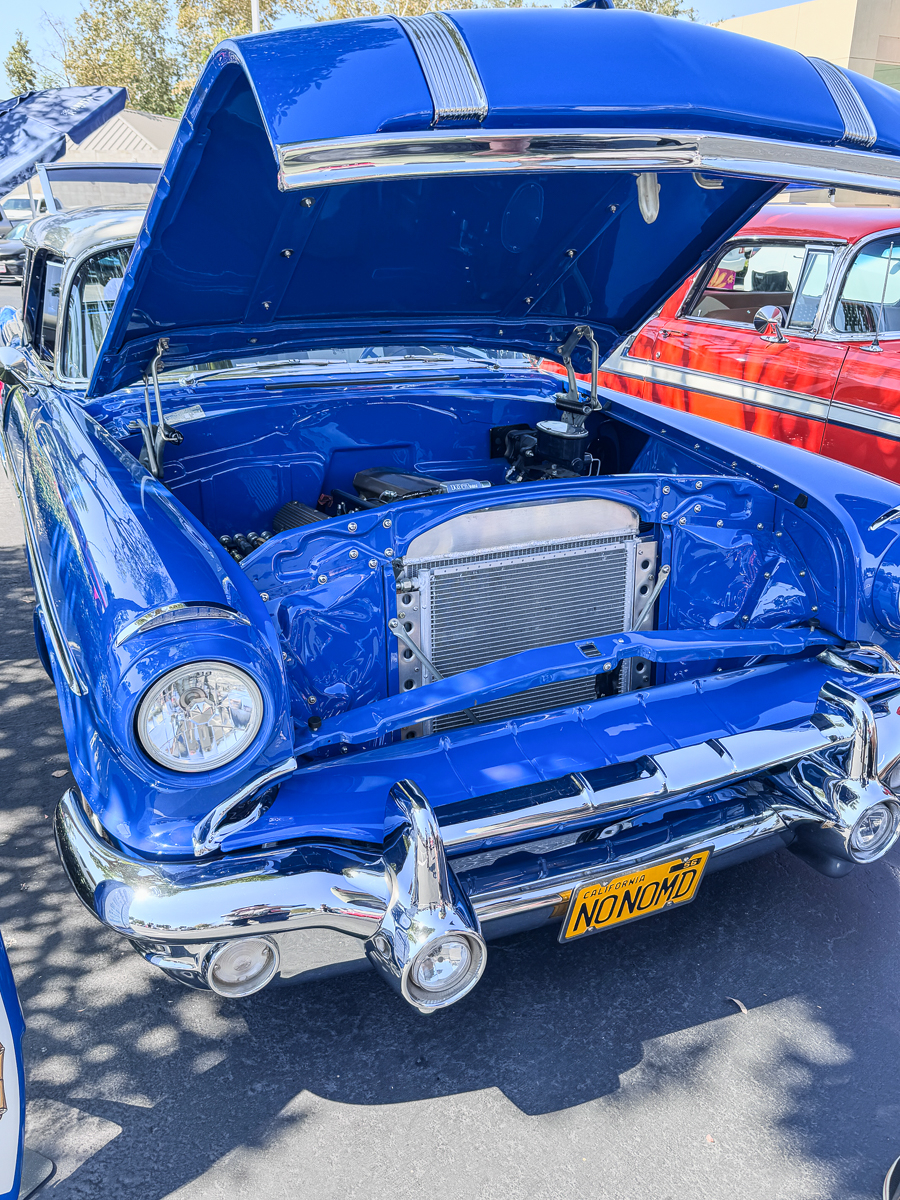 Chevy Nomad!
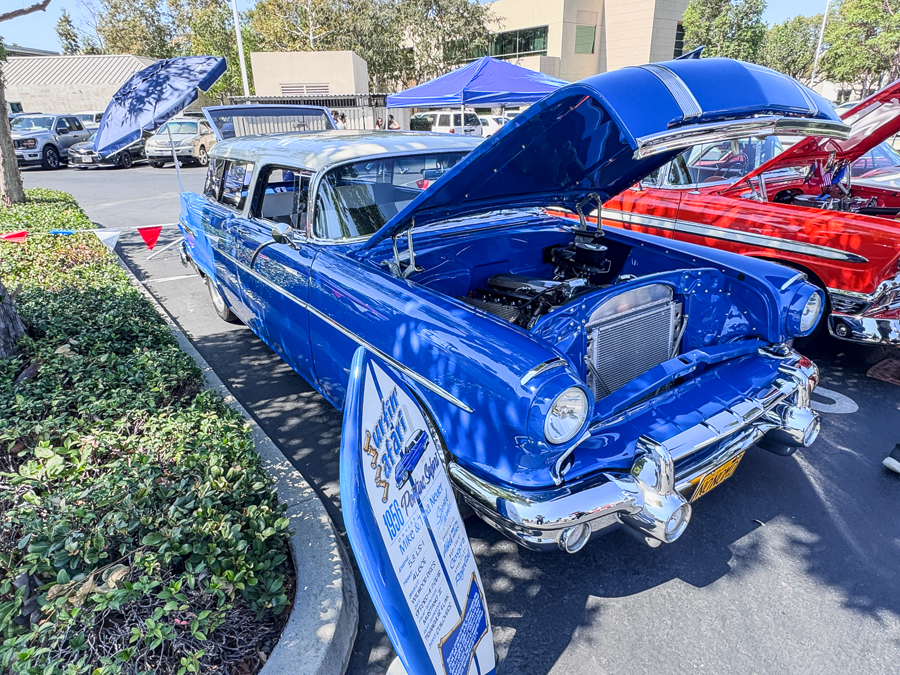
Looking Good!
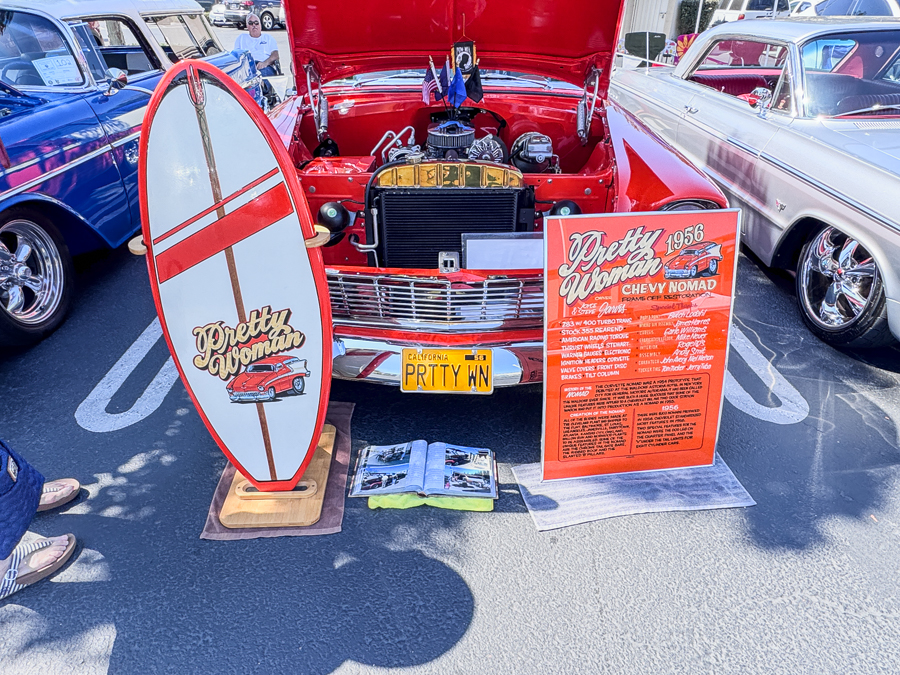
Catch the license plate!!
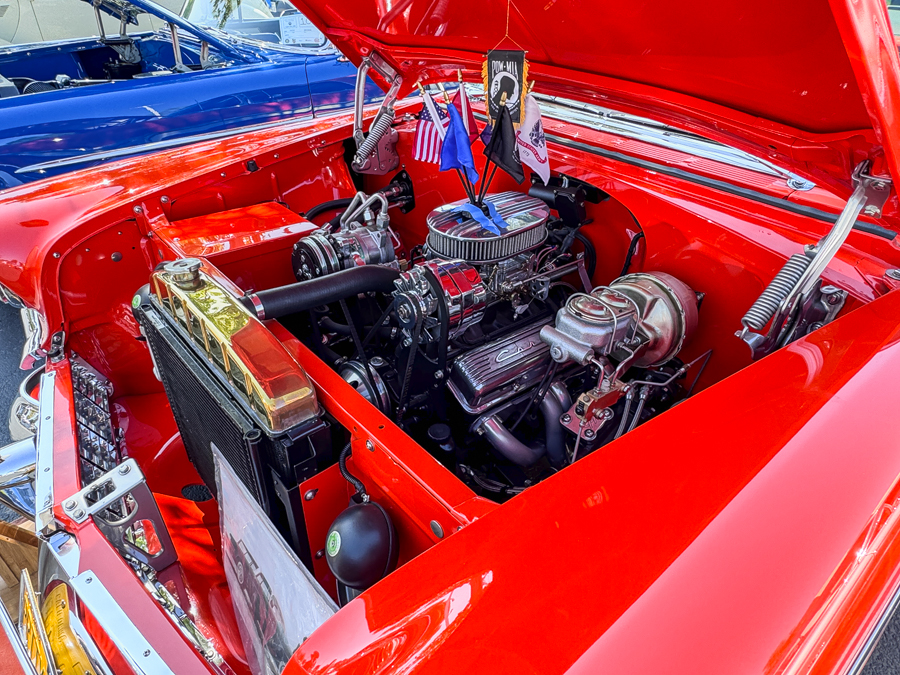
Red red red!!
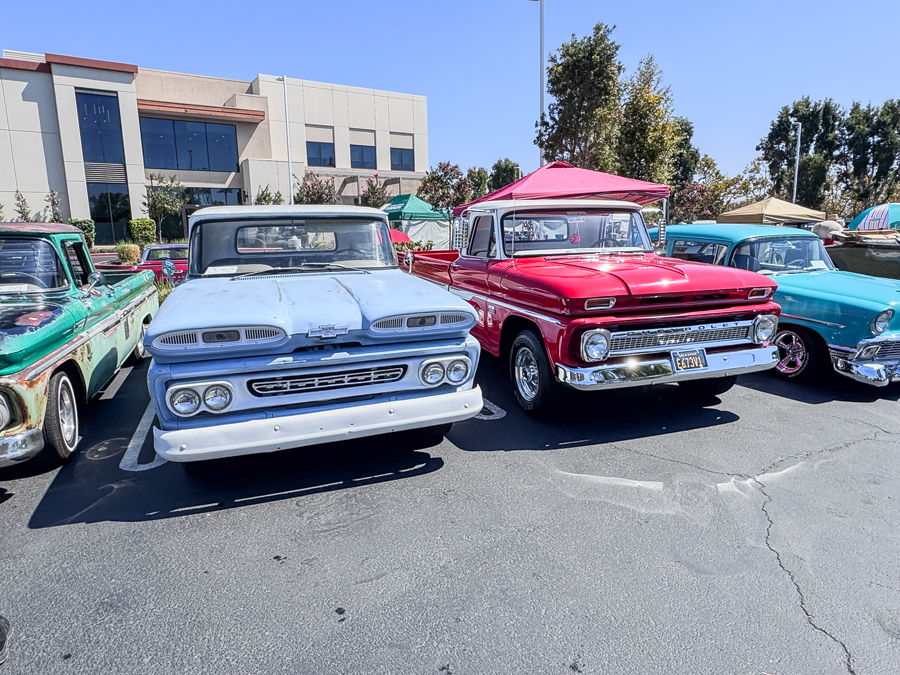
The pickups are always popular!
Old cars with "windshield covers" usually had what are called windshield visors or external sun visors.
These were popular on cars and trucks from roughly the 1930s through the 1950s, especially on vehicles like:
- Chevrolet Fleetline / Styleline
- Ford Shoebox models
- Mercury customs
- Old pickup trucks
- Lowriders and custom classics
The visor was mounted above the windshield and stuck out over the glass like a small roof extension.
Its purpose was to:
- Blocks sun glare
- Helps keep the cabin cooler
- Reduces rain hitting the top of the windshield
- Adds a stylish, custom look
Some were made from metal, while others were aftermarket accessories. A lot of them had a center support bracket and side mounts. On many classic cars, the visor became part of the "period-correct" look, especially with whitewall tires, fender skirts, chrome trim, and lowered suspension.
They're still popular today on restored classics, hot rods, old trucks, and lowriders because they give the car a very vintage 1940s–1950s appearance.
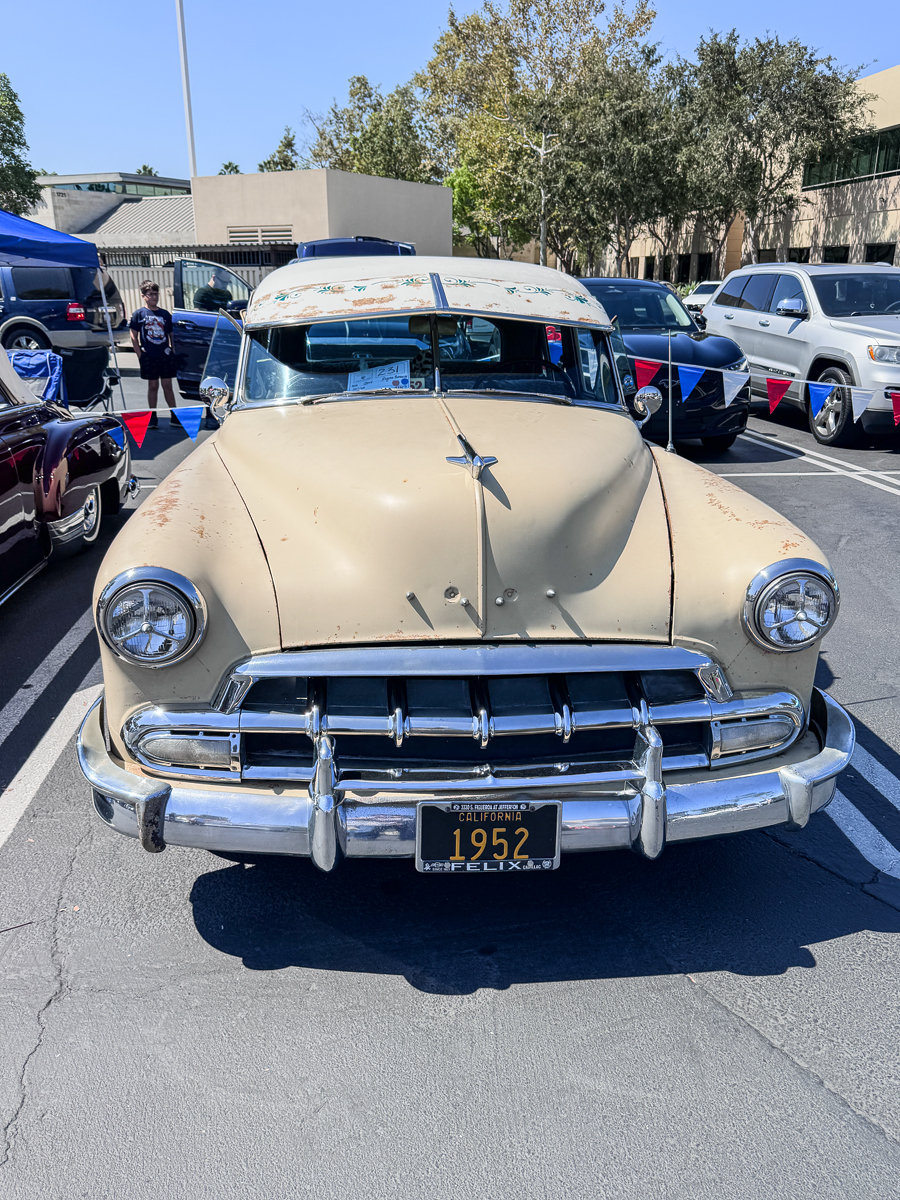
Same year Her Nibs was born!!
They (both of them) are in pretty good shape for the shape they are in!
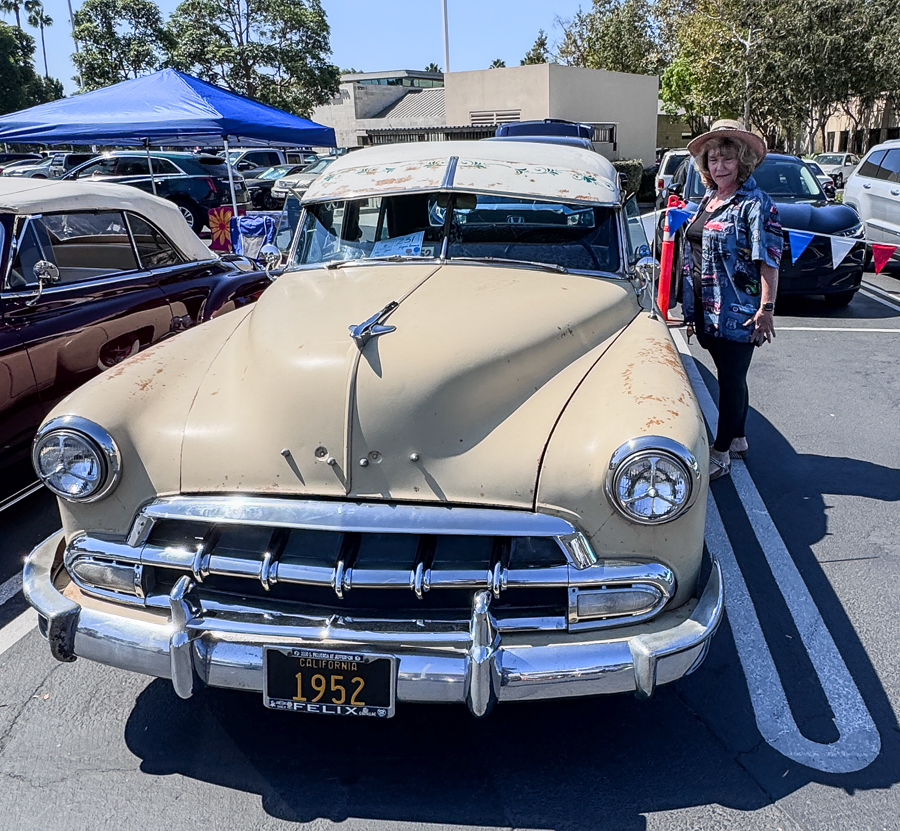
" I remember these!!!"

We must shop while we look at cars!
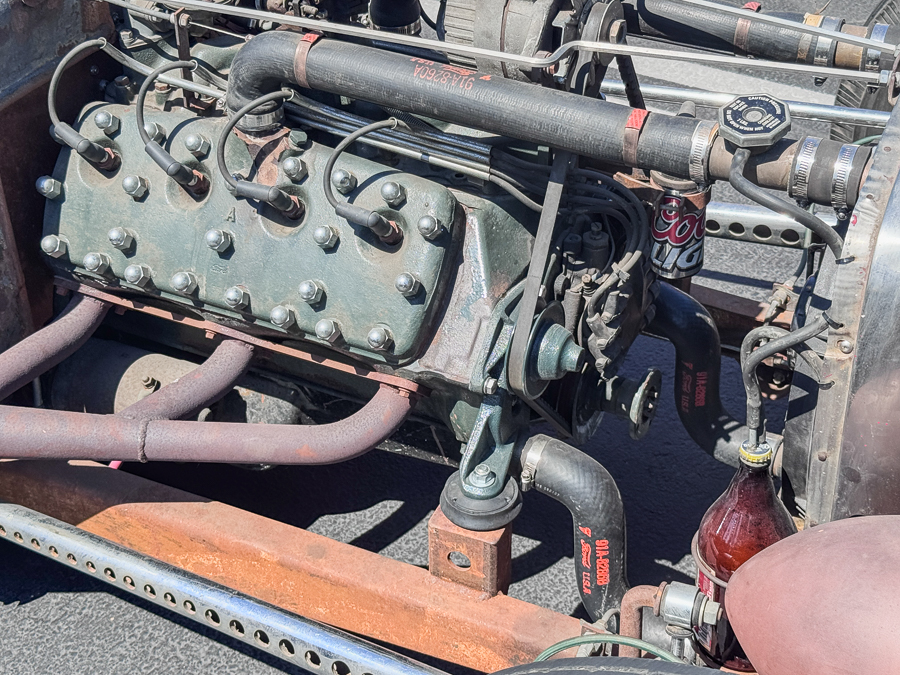
Check the coolant overflow bottle!
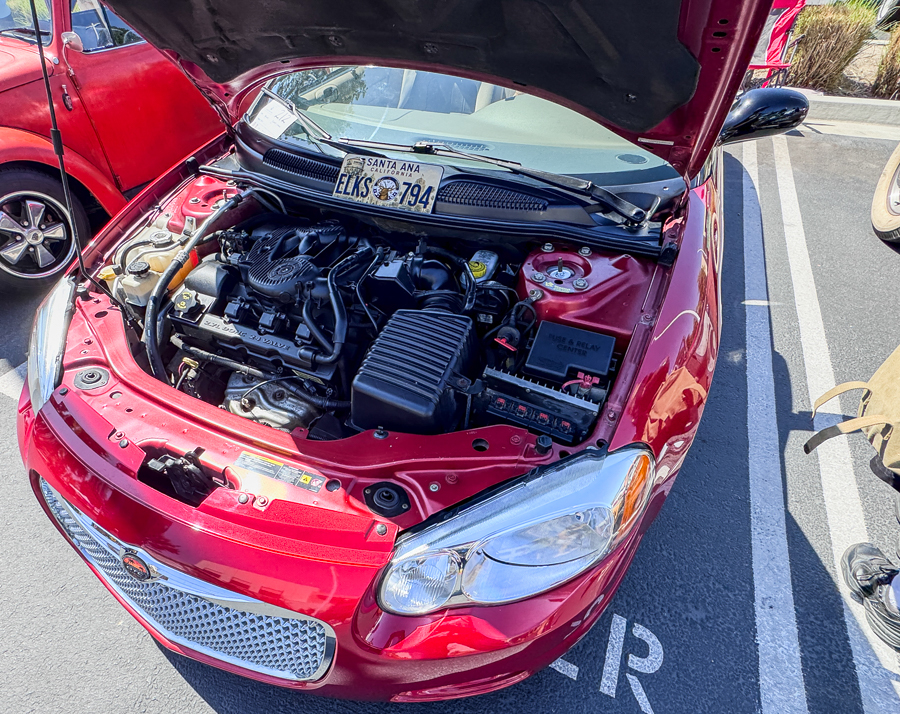
Big red!
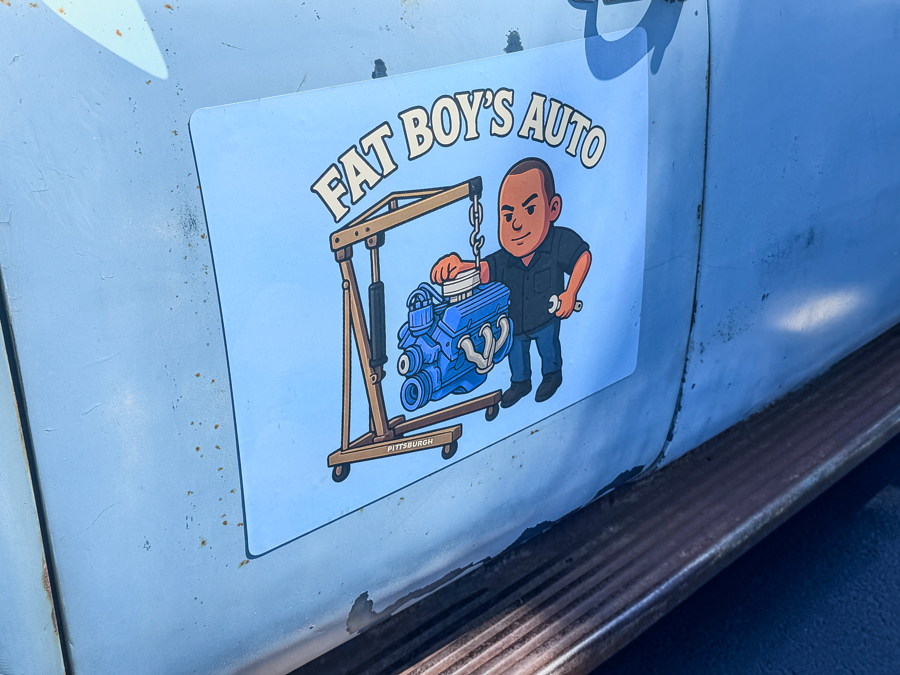
Who does this remind you of???
In the 1950s, automobile headlight hoods—also called headlight visors or eyebrows—served both practical and styling purposes.
Main purposes:
- Reduced glare by shading the upper part of the headlight beam
- Helped keep rain, snow, and dirt off the headlight lens
- Offered minor protection from small stones or road debris
- Gave the car a more custom, stylish look
- Made the front end appear more sleek, aggressive, or "dressed up"
On many 1950s cars, especially Chevrolet, Fords, and customs, the hoods were as much about appearance as function. They became popular accessories because they matched the chrome-heavy styling trends of the era.
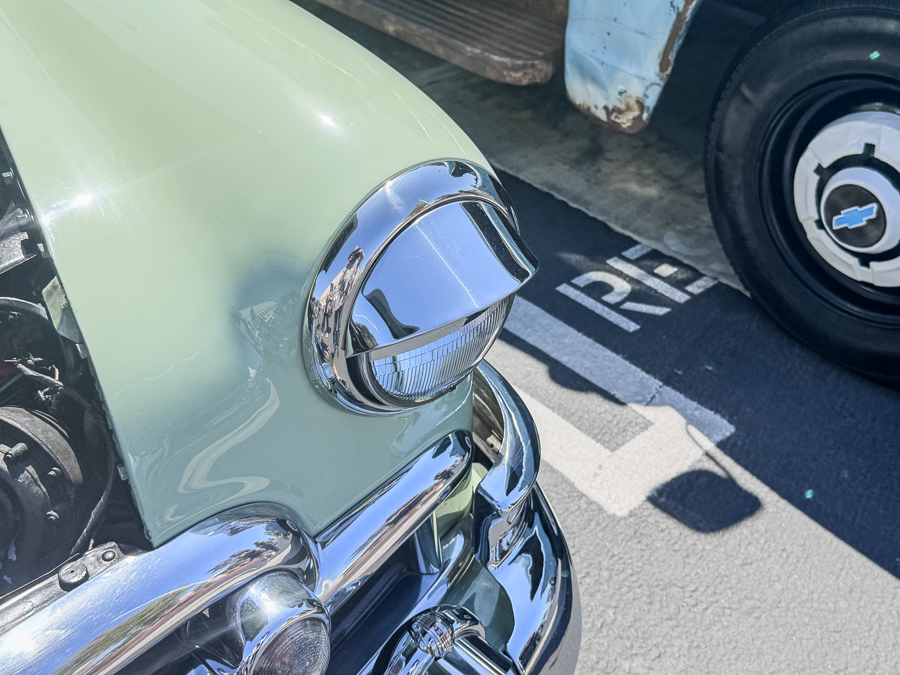
Eyelids??
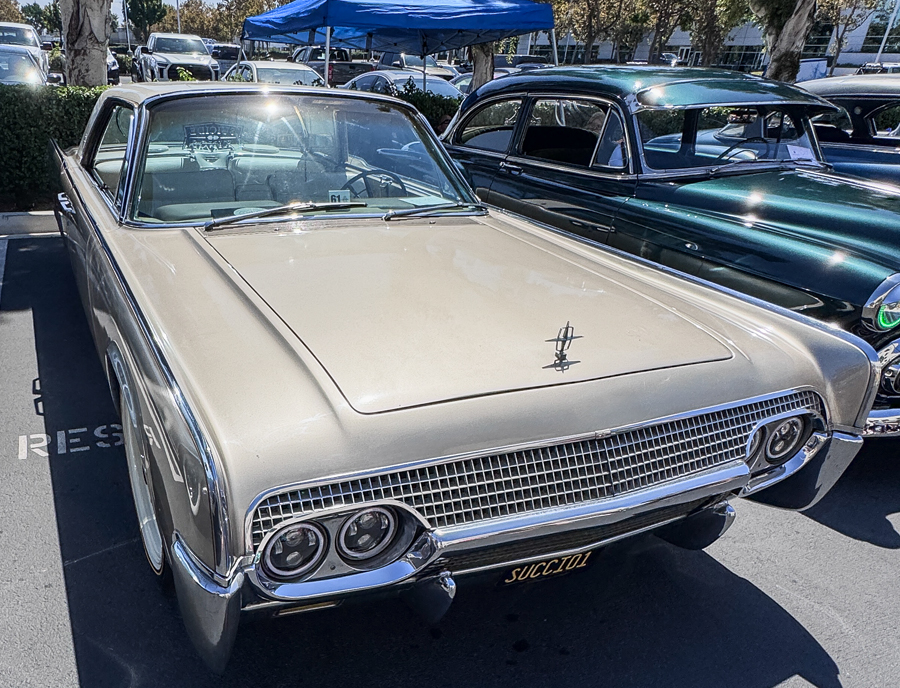
The old Lincolns were amazing cars!!
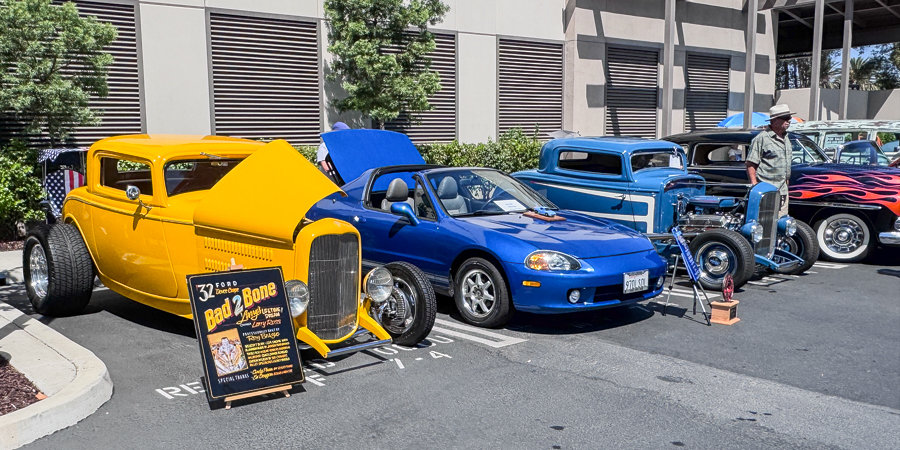
Lines up and ready to go!!
The 1950 Mercury was a stylish American car known for its smooth, rounded design and strong presence on the road. It was part of Mercury's postwar lineup and became especially famous later as a favorite for custom car builders.
Key points:
- Had a sleek, rounded "lead sled" body style
- Featured a flathead V8 engine
- Offered models like the coupe, sedan, convertible, and station wagon
- Known for its wide chrome grille and smooth body lines
- Popular with hot rodders and customizers in the 1950s and beyond
- Became an icon of classic American car culture
Overall, the 1950 Mercury was a comfortable, powerful, and stylish car that helped define the look of early 1950s American automobiles
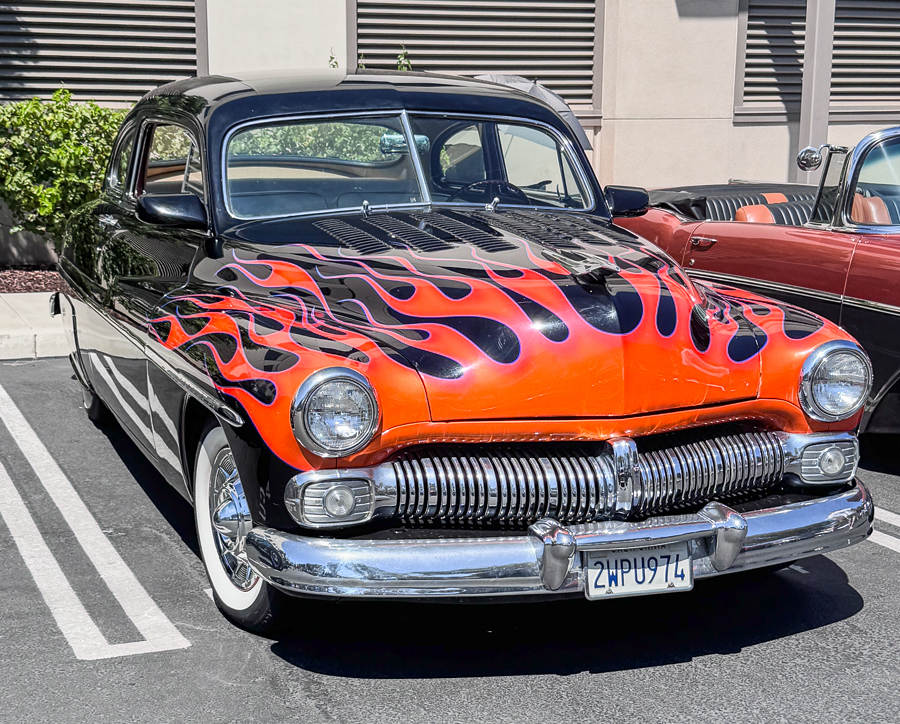
The Merc's were fireballs in their day!
The Ford hardtop convertible was a stylish Ford body style that combined the open-air feel of a convertible with the cleaner, more solid look of a hardtop.
Key points:
- Featured a convertible roof, often with a more refined hardtop-like appearance
- Offered a sportier, upscale look compared with regular sedans
- Popular in the 1950s and 1960s
- Known for chrome trim, wide stance, and roomy interiors
- Some famous examples include the Ford Fairlane 500 Skyliner, which had a retractable hardtop
- Blended comfort, style, and innovation
Overall, the Ford hardtop convertible represented the flashy, optimistic design of mid-century American cars, especially during the 1950s.
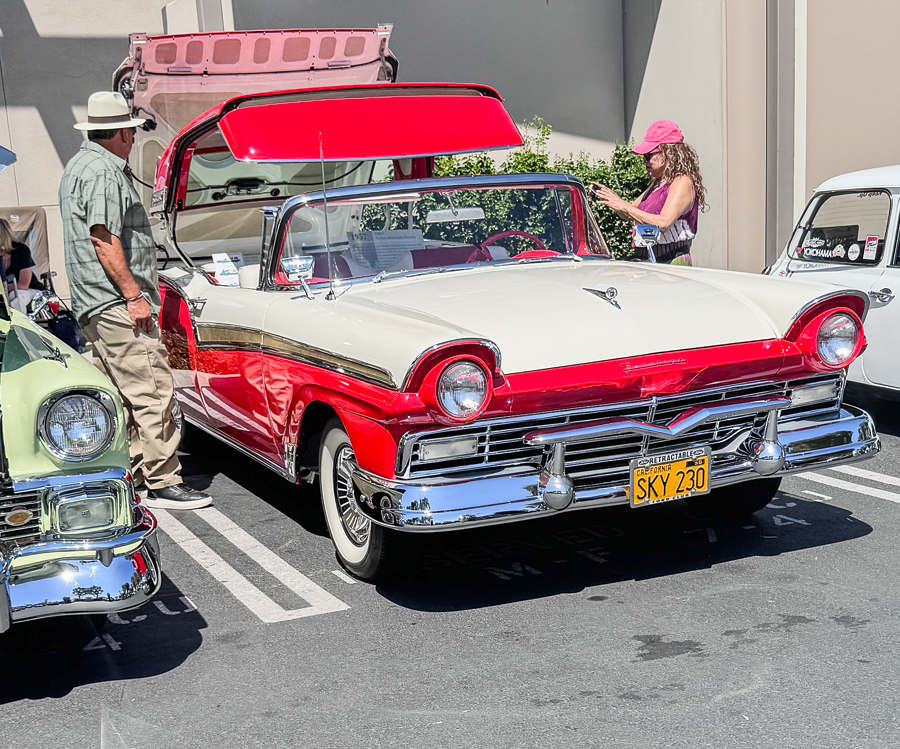
Do you remember the Ford Hardtop Convertible?
Chevrolet built about 577,000 passenger cars for the 1939 model year.
A 1939 Chevrolet four-door sedan cost roughly $700–$750 new, depending on the trim and body style.
Typical factory list prices were approximately:
- 1939 Chevy Master 85 four-door sedan: about $700
- 1939 Chevy Master De Luxe four-door sedan: about $735–$750
Those prices were before options, accessories, taxes, and delivery charges. In today's money, that's roughly around $16,000–$18,000.
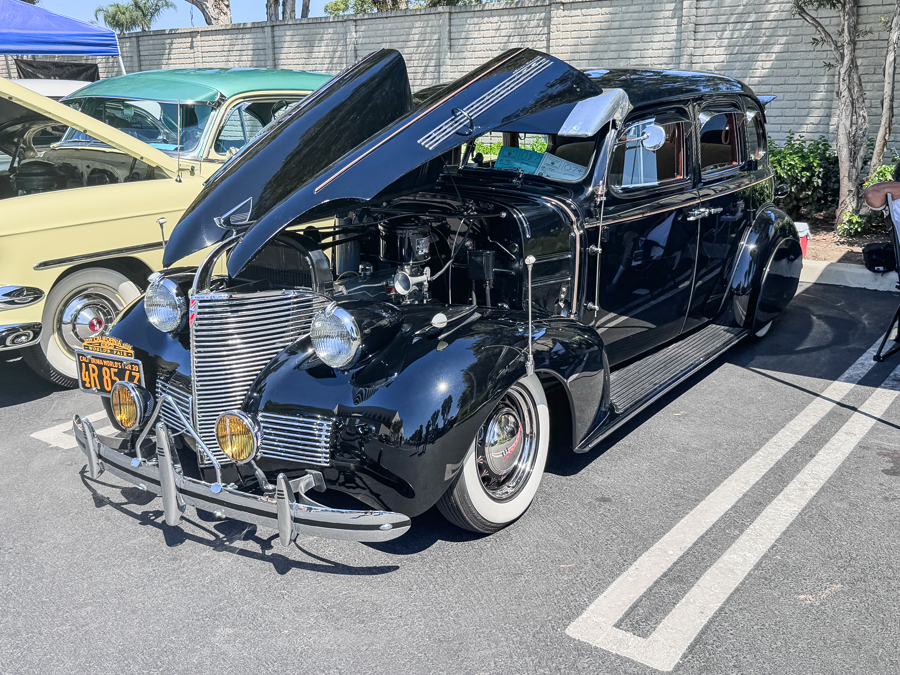
The black beauty!!
1955 Chrysler Car Trivia
- Virgil Exner's "Forward Look" debuted for Chrysler Corporation in 1955, giving Chrysler, Dodge, DeSoto, and Plymouth cars a lower, sleeker, more modern style.
- Chrysler styling took a major leap forward in 1955, moving away from the taller, conservative early-1950s designs.
- Chrysler offered the PowerFlite automatic transmission, a 2-speed automatic, on many 1955 models.
- The Hemi V8 was officially called the FirePower V8.
- 1955 Chryslers featured more chrome, wraparound windshields, and longer, lower body lines compared with earlier models.
- Chrysler's 1955 lineup included models such as the Windsor, New Yorker, Imperial, and C-300.
- Imperial became its own separate luxury marque for 1955, rather than just being a Chrysler model.
- The 1955 Imperial was Chrysler Corporation's answer to Cadillac and Lincoln.
- Chrysler's 1955 cars helped rescue the company's image after years of being seen as well-engineered but stodgy-looking.
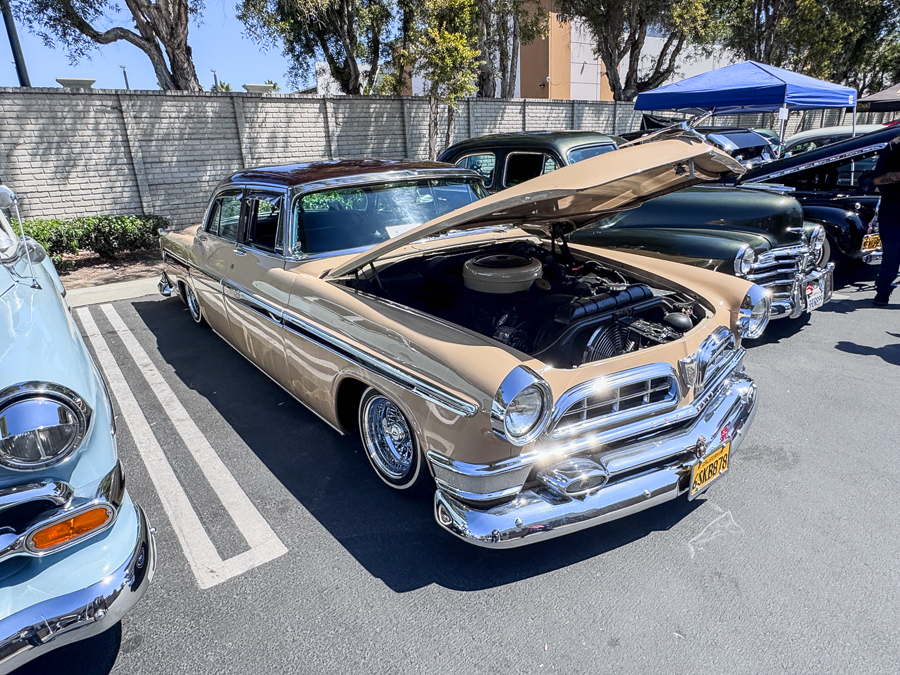
Chrysler was always making stylist cars!
The Pontiac 421 was one of Pontiac's legendary big V8 engines from the early-to-mid 1960s. It was known for strong torque, NASCAR and drag-racing credibility, and for helping establish Pontiac's performance image before the 389 and 400 GTO engines became better known.
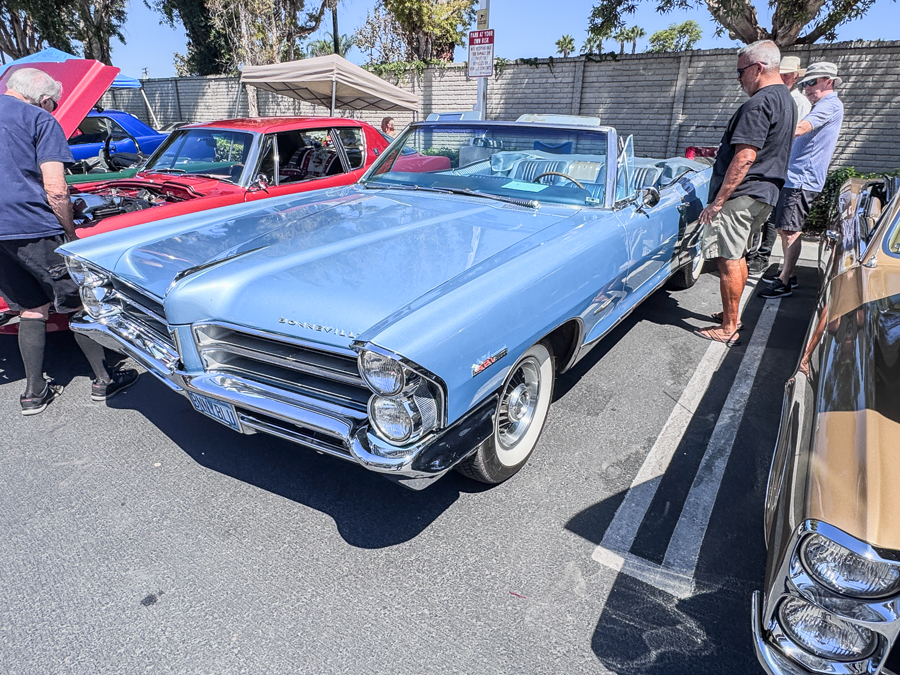
The 421 Pontiac!
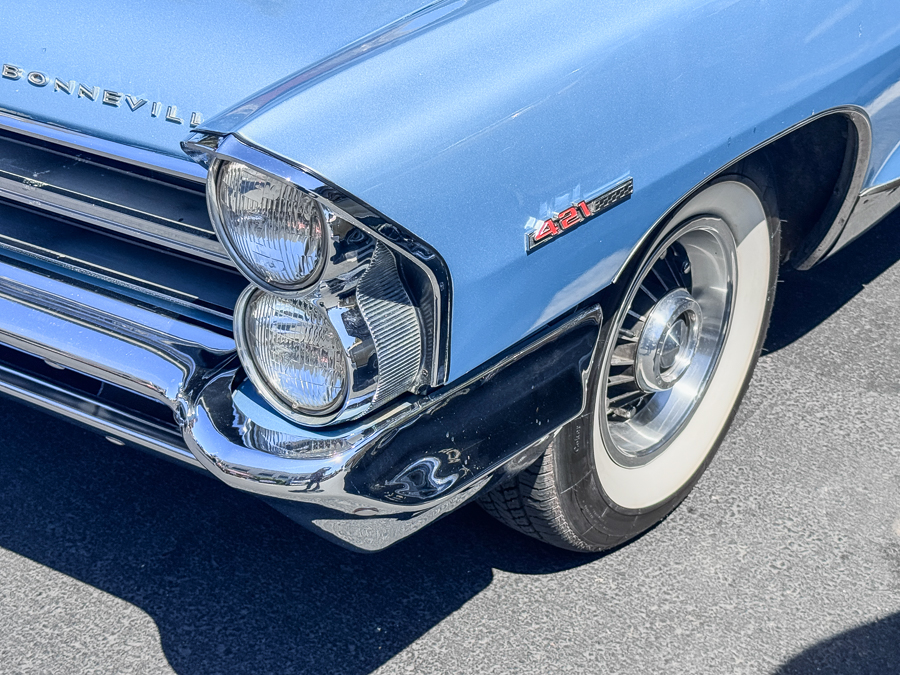
Talk about power!!!
The Studebaker Avanti was one of the most unusual and forward-looking American cars of the early 1960s. It was introduced by Studebaker for the 1963 model year as a stylish, high-performance personal luxury coupe.
Basic Overview:
- Built by: Studebaker Corporation
- Main production years: 1963–1964 under Studebaker
- Body style: 2-door coupe
- Engine: Studebaker V8
- Body material: Fiberglass
- Design: Raymond Loewy's design team
Styling: The Avanti looked very different from most American cars of its time. Its design was meant to look futuristic, and even today it still stands out. It had:
- A smooth, aerodynamic shape
- No traditional front grille
- A long hood and short rear deck
- Fiberglass body panels
- A very modern interior for the era
Performance: The Avanti was not just a show car. It was genuinely quick. Most Studebaker Avantis used a 289 cubic-inch Studebaker V8, available in several versions:
- R1: Naturally aspirated V8
- R2: Supercharged V8
- R3: High-performance supercharged version, very rare
- R4/R5: Extremely rare experimental or racing-related versions
The R2 supercharged Avanti was especially impressive and could run with many muscle cars of the period.
Speed Records: Studebaker promoted the Avanti heavily as a performance car. At the Bonneville Salt Flats, Avantis set numerous speed records. A supercharged Avanti was one of the fastest American production cars of its time.
Features: The front disc brakes were especially notable, since many American cars still used drum brakes all around. For the early 1960s, the Avanti had advanced features such as:
- Front disc brakes
- Built-in roll bar structure
- Optional supercharger
- Full instrumentation
- Sporty bucket-seat interior
Production Problems: The Avanti was rushed into production, and Studebaker had trouble building the fiberglass bodies quickly and consistently. Delays hurt sales badly.
Studebaker was already in financial trouble, and the company ended car production in South Bend, Indiana, in late 1963. The Avanti continued briefly into 1964, but Studebaker production ended after only a few thousand cars.
Avanti II: After Studebaker stopped building it, the Avanti did not disappear. The design and tooling were bought by investors, and the car returned as the Avanti II.
The Avanti II used the same basic styling but usually had Chevrolet V8 engines. Various companies continued producing Avanti-based cars in small numbers for decades.
The Studebaker Avanti is remembered as:
- One of the most distinctive American cars of the 1960s
- A bold attempt to modernize Studebaker's image
- A serious performance car, especially in supercharged form
- A collectible classic today
In short, the Studebaker Avanti was a futuristic, fiberglass-bodied performance coupe that arrived a little too late to save Studebaker, but became one of the company's most iconic cars.
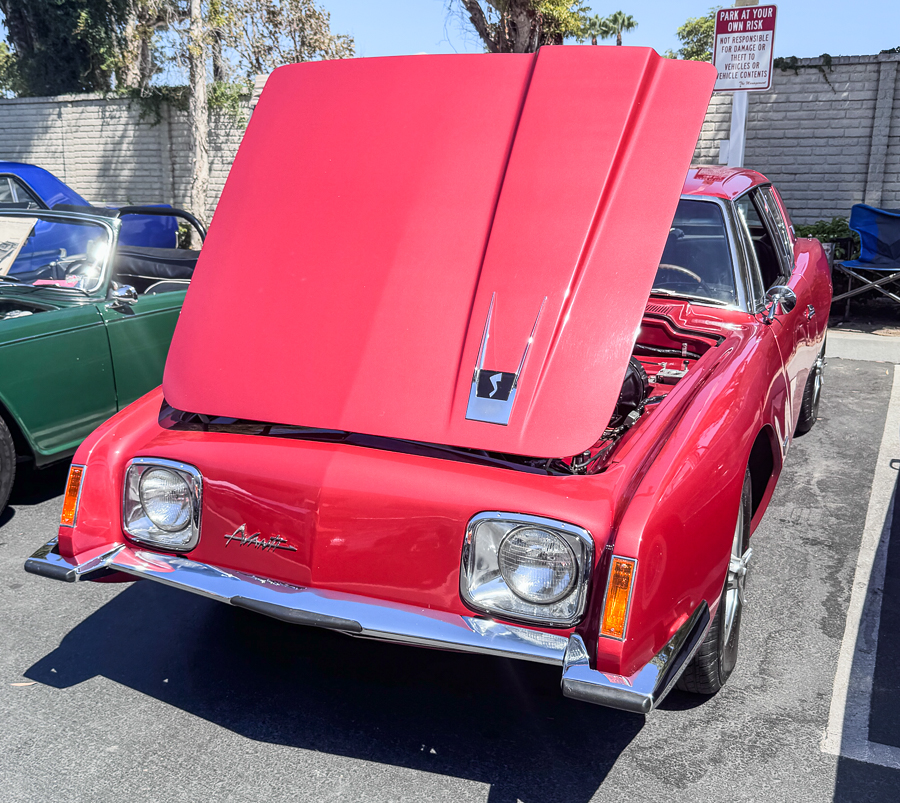
The Avanti was an amazing vehicle.
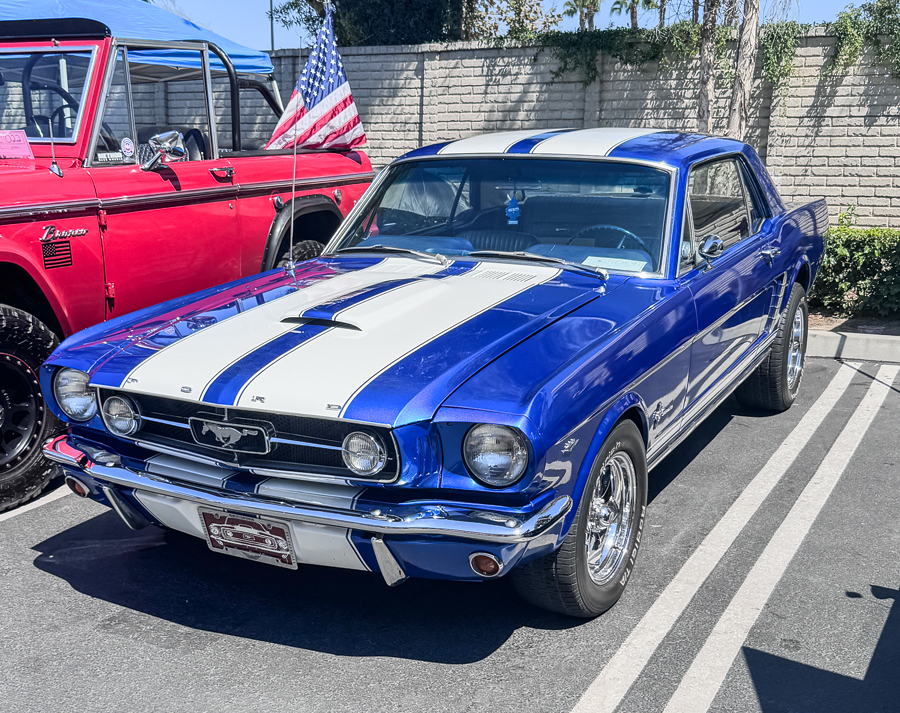
Then came the Mustang!
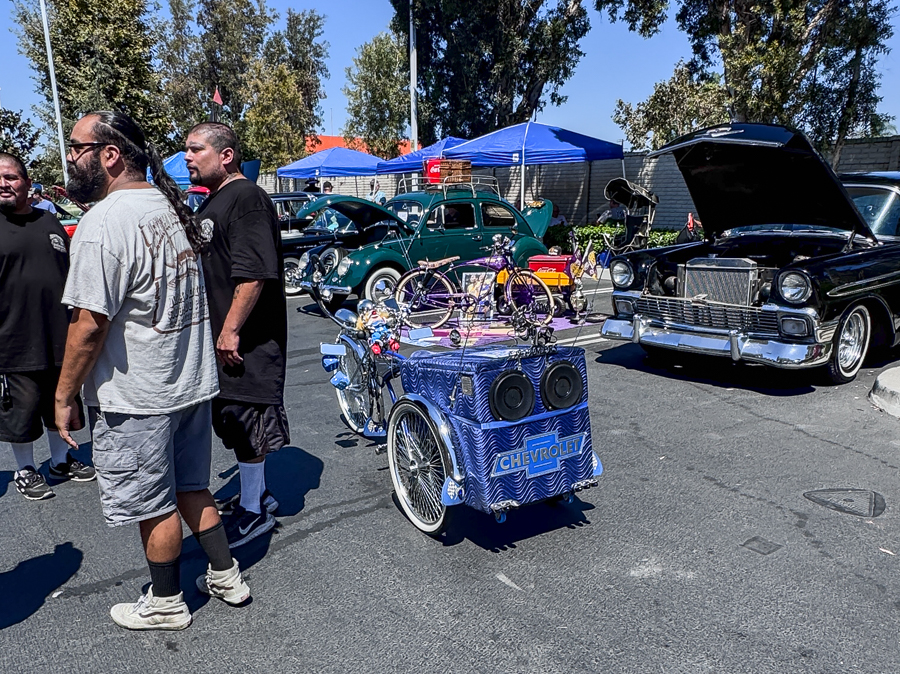
The boom box was on wheels!
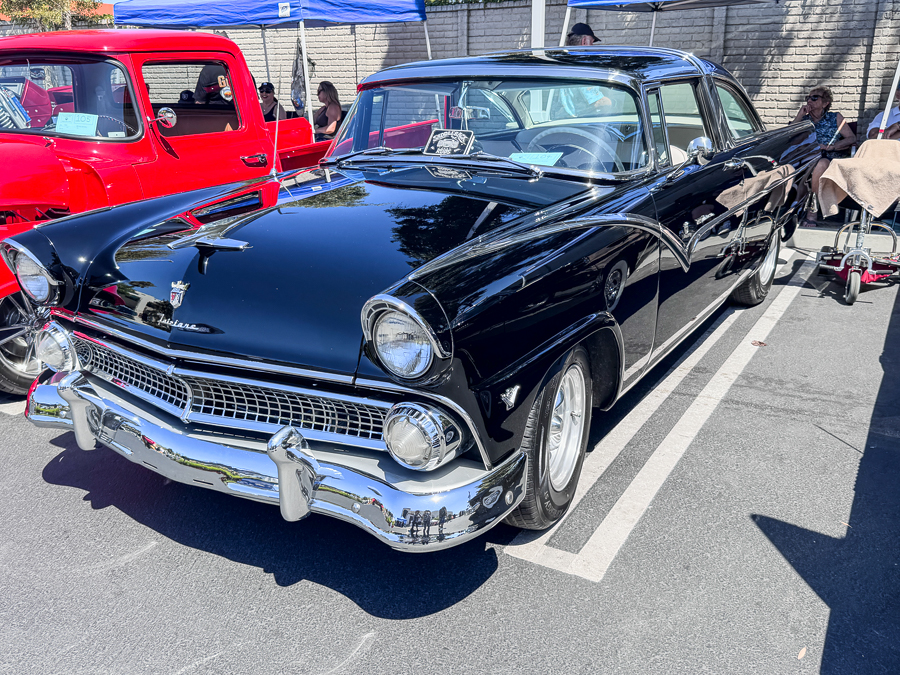
Cousin Kat has a Fairlane in 1955

The boys would have gone nuts!
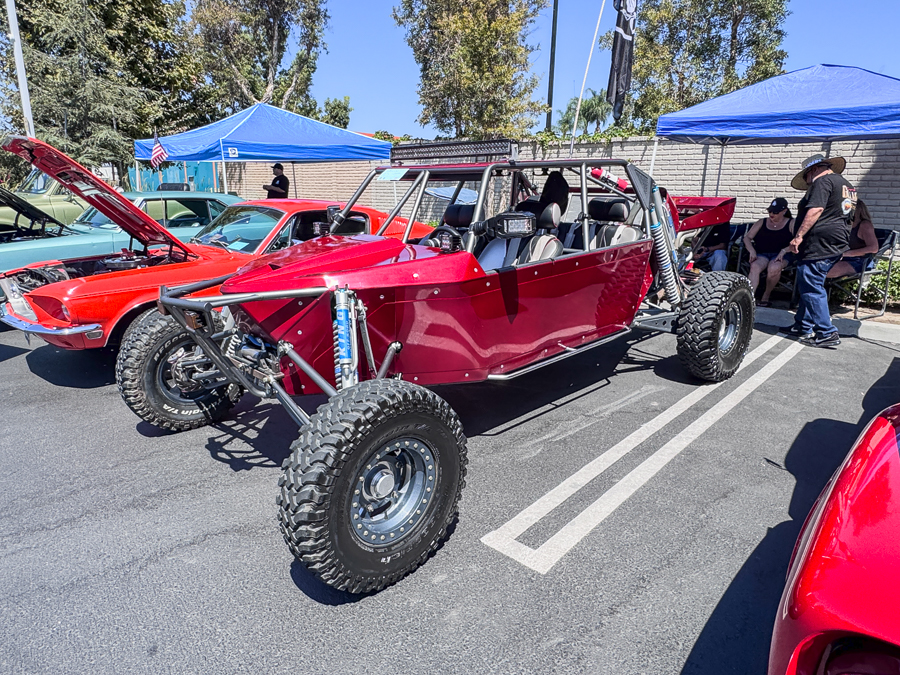
Joe said his trailer would work and Zack wanted to drive it first!
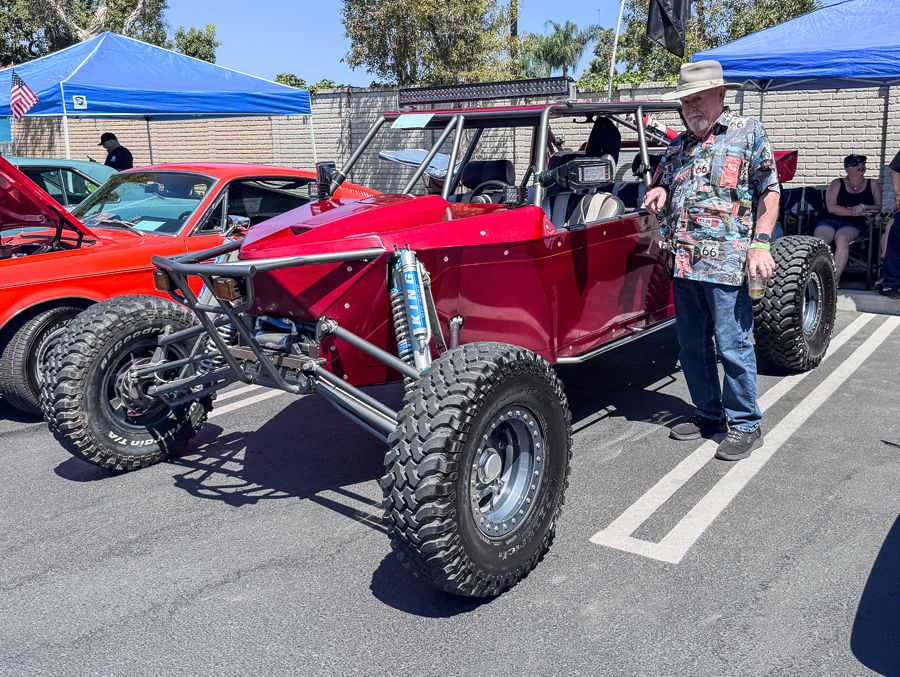
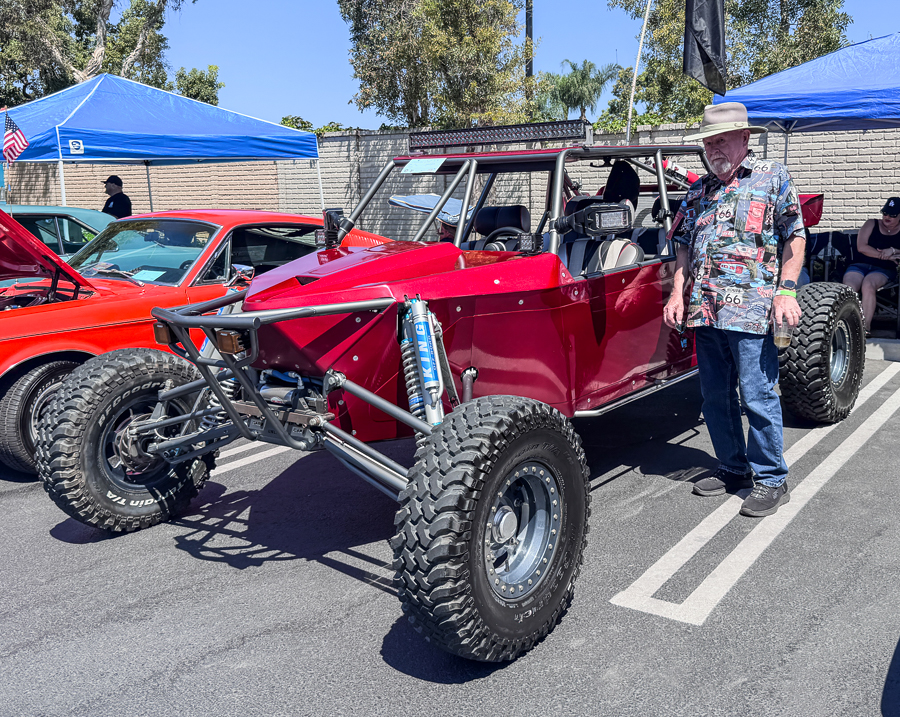
Perfect for Mary and I!!
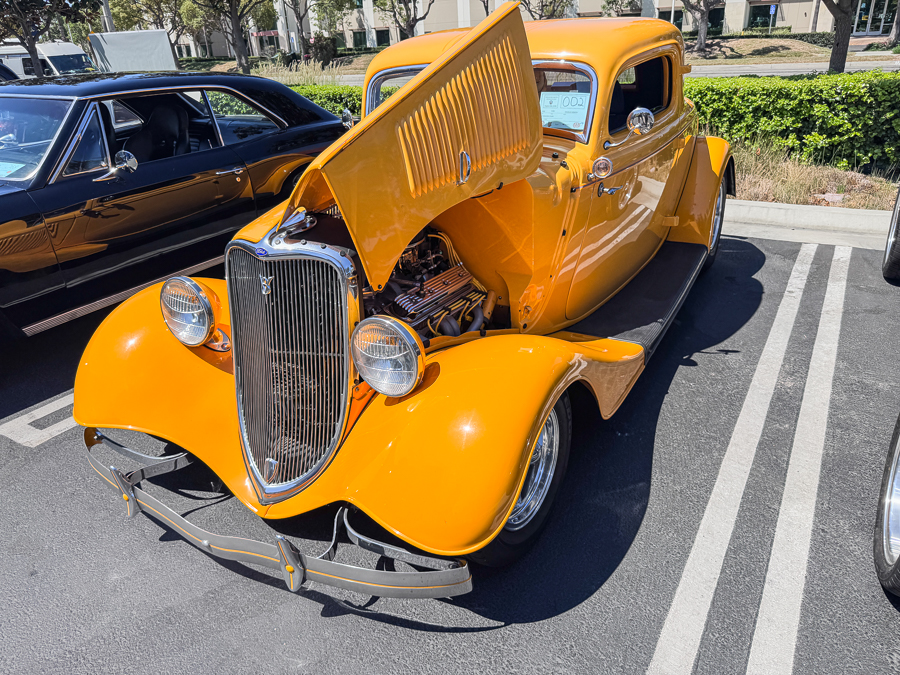
The Yellow Jacket!!
1955 Pontiac Hood Ornament - The 1955 Pontiac hood ornament is one of the classic examples of Pontiac's mid-century styling, tied closely to the brand's Native American-inspired identity.
On most 1955 Pontiac's, the hood ornament featured a sleek chrome jet or rocket-like shape combined with Pontiac's traditional Indian-head motif. Pontiac had used Native American imagery for decades, and by the 1950s the ornaments became more streamlined to match the era's fascination with aircraft, speed, and futuristic design.
For 1955, Pontiac models such as the Chieftain and Star Chief often had a prominent hood ornament mounted along the center of the hood. It usually included:
- A long chrome base or spear
- A stylized forward-swept design
- An Indian-head emblem or face detail
- A red or amber plastic insert on some versions
- A look meant to suggest motion and prestige
The 1955 model year was also important for Pontiac because it introduced more modern styling and the new 287 cubic-inch V8, helping Pontiac move away from its older, more conservative image. The hood ornament matched that transition: still traditional in theme, but much more modern in execution.
Today, original 1955 Pontiac hood ornaments are collectible, especially if the chrome is good and any plastic insert is intact. Reproduction pieces and used originals can often be found through classic Pontiac parts suppliers, swap meets, or online auction sites.
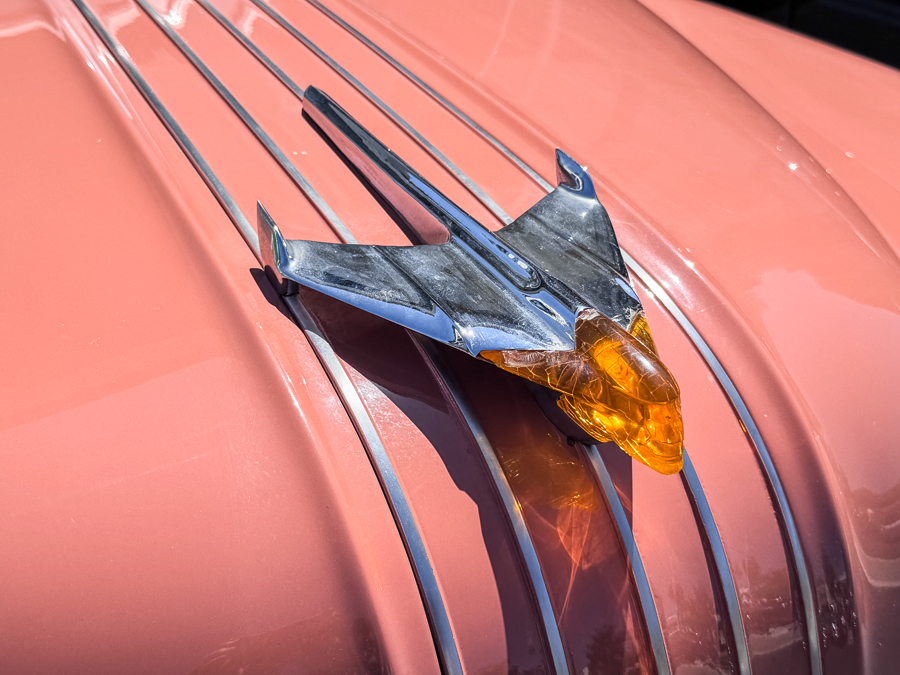
Chief Pontiac hood ornament.

We bypassed the lemonade and went directly for the wine (after visiting George's entry)

Looking good, so it Mary!! eat your heart out Vanna White!

George was busy visiting the other entries!

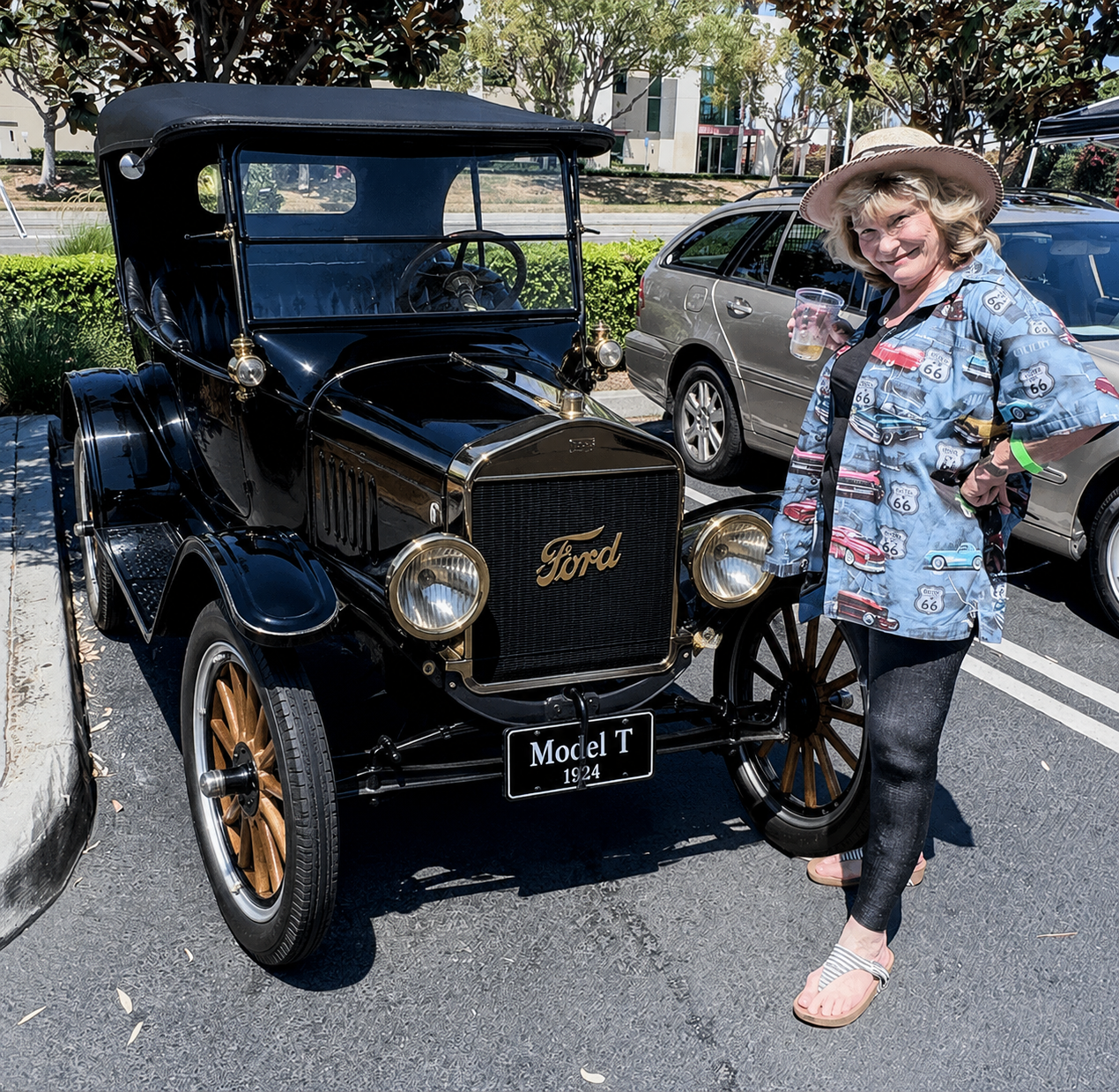
Then we remembered the car belonged to George!


Amazing!!!
These ladies worked at Rockwell and knew Sue Miller who was then head of software at that Rockwell Division which made software for the GPS man-carried radios. Was a surprise for all of us!!

Paula (left and Laurie (right)

Paula and I got along great and laughed and giggled the entire time!

We could get in serious trouble together!!!
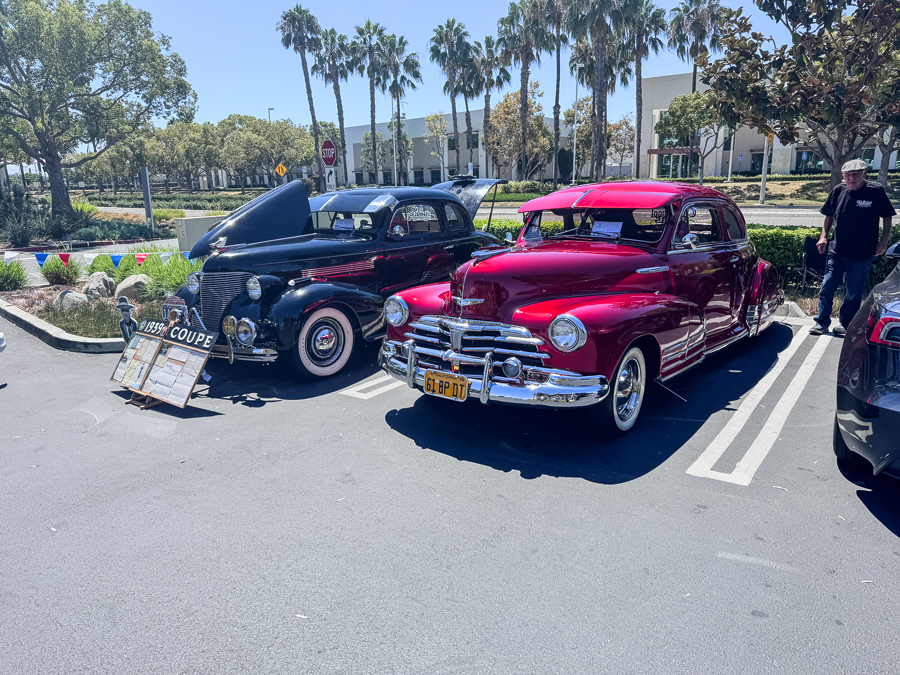 More to see as we walked out!
To hydraulically lift and lower a street car, a hydraulic suspension system is installed in place of, or alongside, the normal suspension parts.
In simple terms, it works like this:
- Hydraulic cylinders/rams are mounted at the wheels or suspension points.
- A hydraulic pump pushes pressurized fluid into the cylinders.
- As fluid fills a cylinder, it extends, raising that corner or end of the car.
- When fluid is released back to a reservoir, the cylinder retracts and the car lowers.
- Valves or switches control which corner, side, front, rear, or the whole car moves.
- Many setups use batteries and electric pumps to create the pressure needed.
On custom street cars/lowriders, this lets the driver raise, lower, tilt, or even "hop" the car, depending on how powerful the hydraulic setup is.
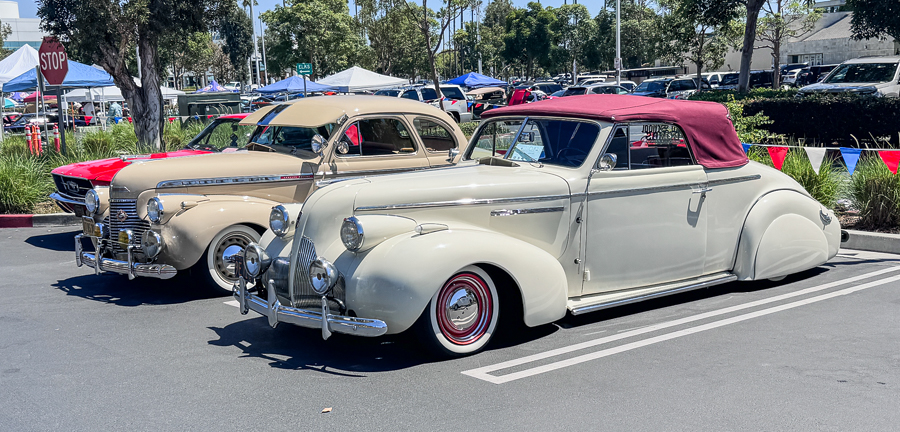
Looking good
and "well grounded" 