Memorial Day Is A Day To Remember Those Who Gave Everything
Memorial Day is a United States federal holiday that is observed on the last Monday of May (observed in 2009 on May 25). It was formerly known as Decoration Day. This holiday commemorates U.S. men and women who have died in military service to their country. It began first to honor Union soldiers who died during the American Civil War.
After World War I, it was expanded to include those who died in any war or military action. One of the longest standing traditions is the running of the Indianapolis 500, which has been held in conjunction with Memorial Day since 1911. It is also traditionally viewed as the beginning of summer by many, for many schools are dismissed around Memorial Day.
The preferred name for the holiday gradually changed from "Decoration Day" to "Memorial Day", which was first used in 1882. It did not become more common until after World War II , and was not declared the official name by Federal law until 1967. On June 28, 1968, the Congress passed the Uniform Holidays Bill , which moved three holidays from their traditional dates to a specified Monday in order to create a convenient three-day weekend. The holidays included Washington's Birthday , Veterans Day and Memorial Day. The change moved Memorial Day from its traditional May 30 date to the last Monday in May. The law took effect at the federal level in 1971. The Veterans of Foreign Wars (VFW) and Sons of Union Veterans of the Civil War (SUVCW) advocate returning to the original date, although the significance of the date is tenuous. The VFW stated in a 2002 Memorial Day Address:
Changing the date merely to create three-day weekends has undermined the very meaning of the day. No doubt, this has contributed a lot to the general public's nonchalant observance of Memorial Day.
Do Not Forget
In Days Gone By
Memorial Day, originally called Decoration Day, is a day of remembrance for those who have died in our nation's service. There are many stories as to its actual beginnings, with over two dozen cities and towns laying claim to being the birthplace of Memorial Day.
There is also evidence that organized women's groups in the South were decorating graves before the end of the Civil War: a hymn published in 1867, "Kneel Where Our Loves are Sleeping" by Nella L. Sweet carried the dedication "To The Ladies of the South who are Decorating the Graves of the Confederate Dead" (Source: Duke University's Historic American Sheet Music, 1850-1920).
While Waterloo N.Y. was officially declared the birthplace of Memorial Day by President Lydon Johnson in May 1966, it's difficult to prove conclusively the origins of the day. It is more likely that it had many separate beginnings.
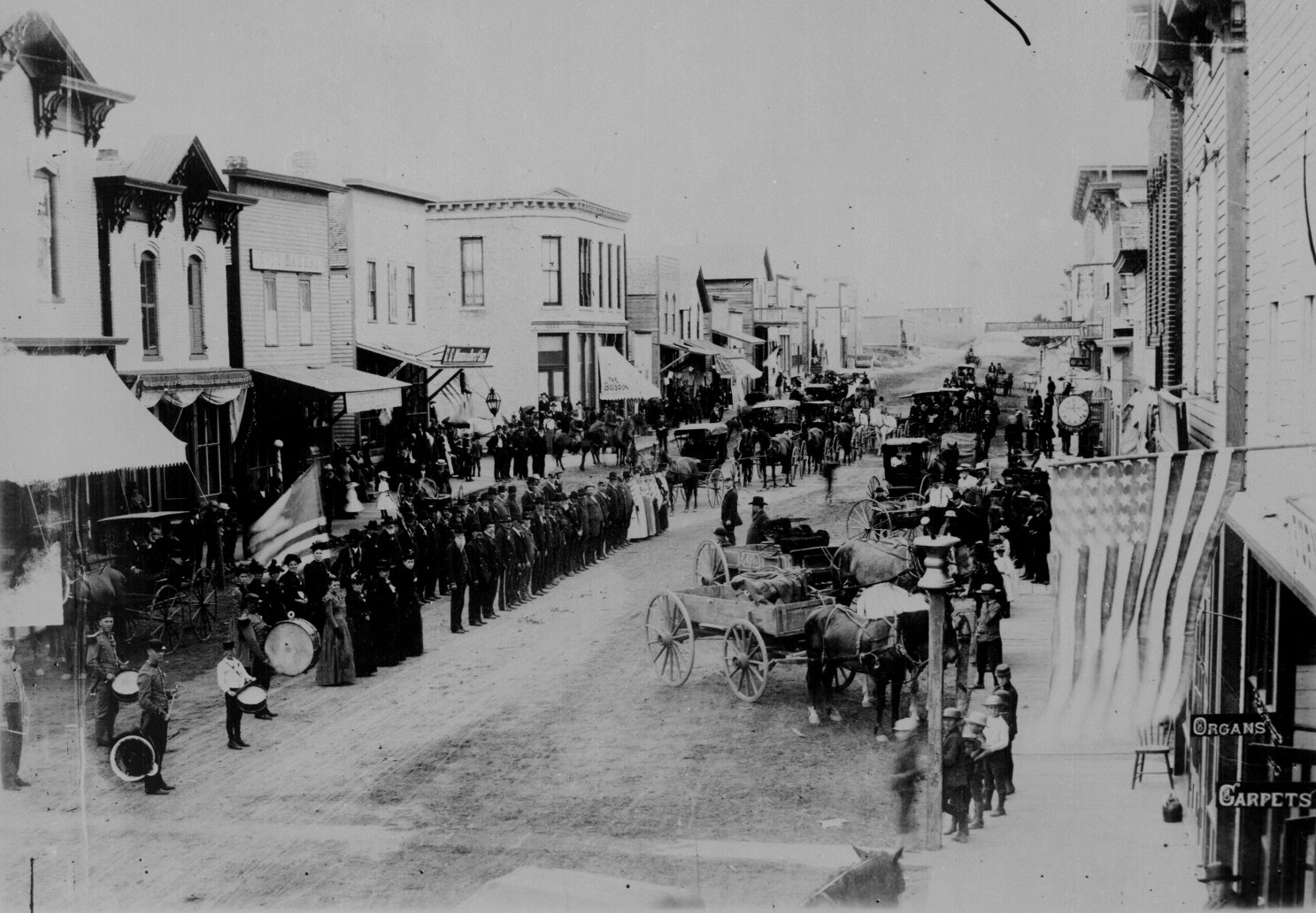
Memorial Day Parades Of The Past
Thank You General Logan
Did You Know About General Order #11?

Memorial Day was officially proclaimed on 5 May 1868 by General John Logan, national commander of the Grand Army of the Republic, in his General Order No. 11 , and was first observed on 30 May 1868, when flowers were placed on the graves of Union and Confederate soldiers at Arlington National Cemetery.
The South refused to acknowledge the day, honoring their dead on separate days until after World War I (when the holiday changed from honoring just those who died fighting in the Civil War to honoring Americans who died fighting in any war).
It is now celebrated in almost every State on the last Monday in May (passed by Congress in 1968 to ensure a three day weekend for Federal holidays), though several southern states have an additional, separate day for honoring the Confederate war dead: January 19 in Texas, April 26 in Alabama, Florida, Georgia, and Mississippi; May 10 in South Carolina; and June 3 (Jefferson Davis' birthday) in Louisiana and Tennessee.
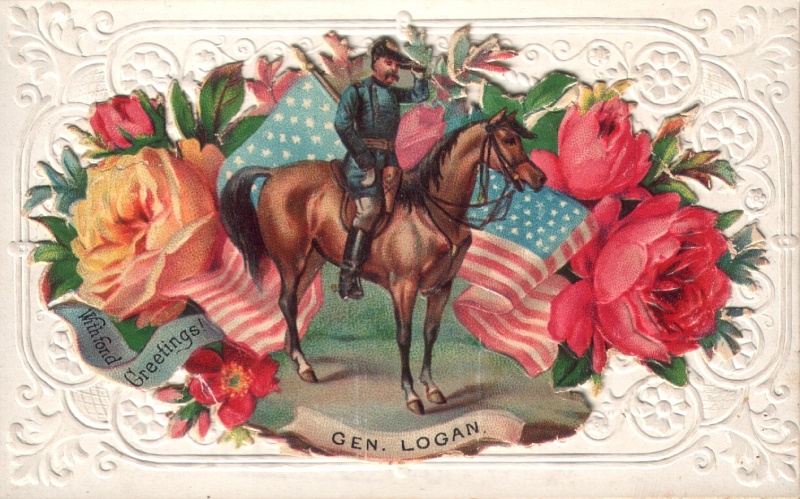
General John Logan, National Commander of the Grand Army of the Republic
Flanders Field WWI Gave Rise To The Wearing Of The Red Poppy
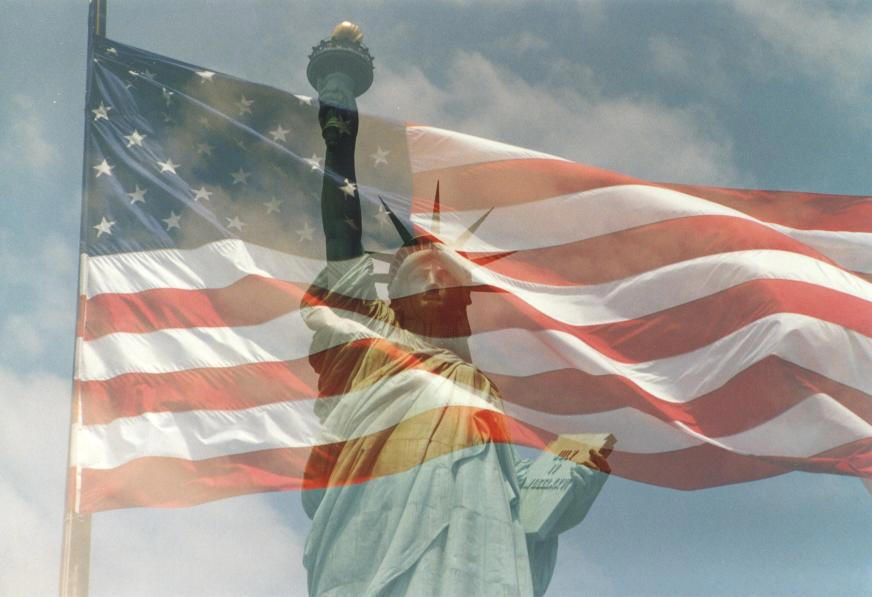
Good Bless Her And Keep Her
In Flanders Fields - Lest We Forget
Did You Know? - In 1915, inspired by the poem "In Flanders Fields," Moina Michael replied with her own poem:
We cherish too, the Poppy red
That grows on fields where valor led,
It seems to signal to the skies
That blood of heroes never dies.
She then conceived of an idea to wear red poppies on Memorial day in honor of those who died serving the nation during war. She was the first to wear one, and sold poppies to her friends and co-workers with the money going to benefit servicemen in need.
Later a Madam Guerin from France was visiting the United States and learned of this new custom started by Ms. Michael and when she returned to France, made artificial red poppies to raise money for the war orphaned children and widowed women.
This tradition spread to other countries. In 1948 the US Post Office honored Ms Michael for her role in founding the National Poppy movement by issuing a red 3 cent postage stamp with her likeness on it.

A time to remember those who gave their lives for us
Remember D-Day

U.S. Army troops wade ashore on Omaha Beach on the morning of 6 June 1944, as the Normandy landings begin.
Did You Know? - The Normandy landings, also known as Operation Neptune were the landing operations of the Allied invasion of Normandy, in Operation Overlord, during World War II. The landings commenced on Tuesday, 6 June 1944 (D-Day), beginning at 6:30 AM British Double Summer Time (GMT+2). In planning, D-Day was the term used for the day of actual landing, which was dependent on final approval.
The assault was conducted in two phases: an airborne assault landing of 24,000 British, American, Canadian and Free French airborne troops shortly after midnight, and an amphibious landing of Allied infantry and armoured divisions on the coast of France commencing at 6:30 AM. There were also decoy operations mounted under the codenames Operation Glimmer and Operation Taxable to distract the German forces from the real landing areas.
The operation was the largest amphibious invasion in world history, with over 160,000 troops landing on 6 June 1944. 195,700[6] Allied naval and merchant navy personnel in over 5,000 ships were involved. The invasion required the transport of soldiers and material from the United Kingdom by troop-laden aircraft and ships, the assault landings, air support, naval interdiction of the English Channel and naval fire-support. The landings took place along a 50-mile (80 km) stretch of the Normandy coast divided into five sectors: Utah, Omaha, Gold, Juno and Sword.
Our Toppers Dance Club Pays Tribute Near Memorial Day Every Year
We hold a formal dance and invite the local Marine Honor Guard to present the colors.
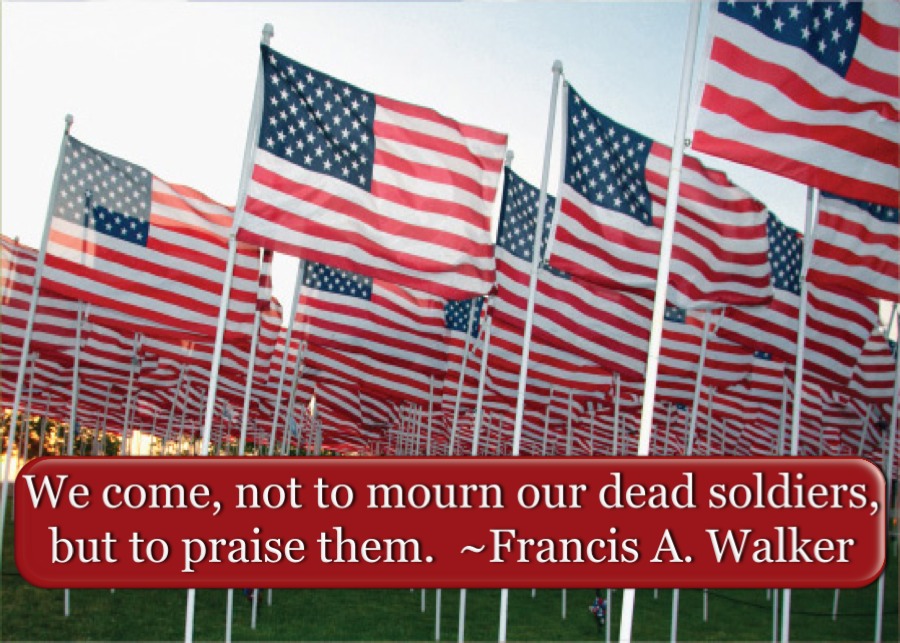
What Are The Dates???
2009
Actual Memorial Day: May 30 Saturday
Memorial Day Observed: May 25 Monday
2010
Actual Memorial Day: May 30 Sunday
Memorial Day Observed: May 31 Monday
2011
Actual Memorial Day: May 30 Monday
Memorial Day Observed: Same (May 30 Monday)
2012
Actual Memorial Day: May 30 Wednesday
Memorial Day Observed: May 28 Monday
2013
Actual Memorial Day: May 30 Thursday
Memorial Day Observed: May 27 Monday
2014
Actual Memorial Day: May 30 Friday
Memorial Day Observed: May 26 Monday
2015
Actual Memorial Day: May 30 Saturday
Memorial Day Observed: May 25 Monday
2016
Actual Memorial Day: May 30 Monday
Memorial Day Observed: Same (May 30 Monday)
2017
Actual Memorial Day: May 30 Tuesday
Memorial Day Observed: May 29 Monday
2018
Actual Memorial Day: May 30 Wednesday
Memorial Day Observed: May 28 Monday
2019
Actual Memorial Day: May 30 Thursday
Memorial Day Observed: May 27 Monday